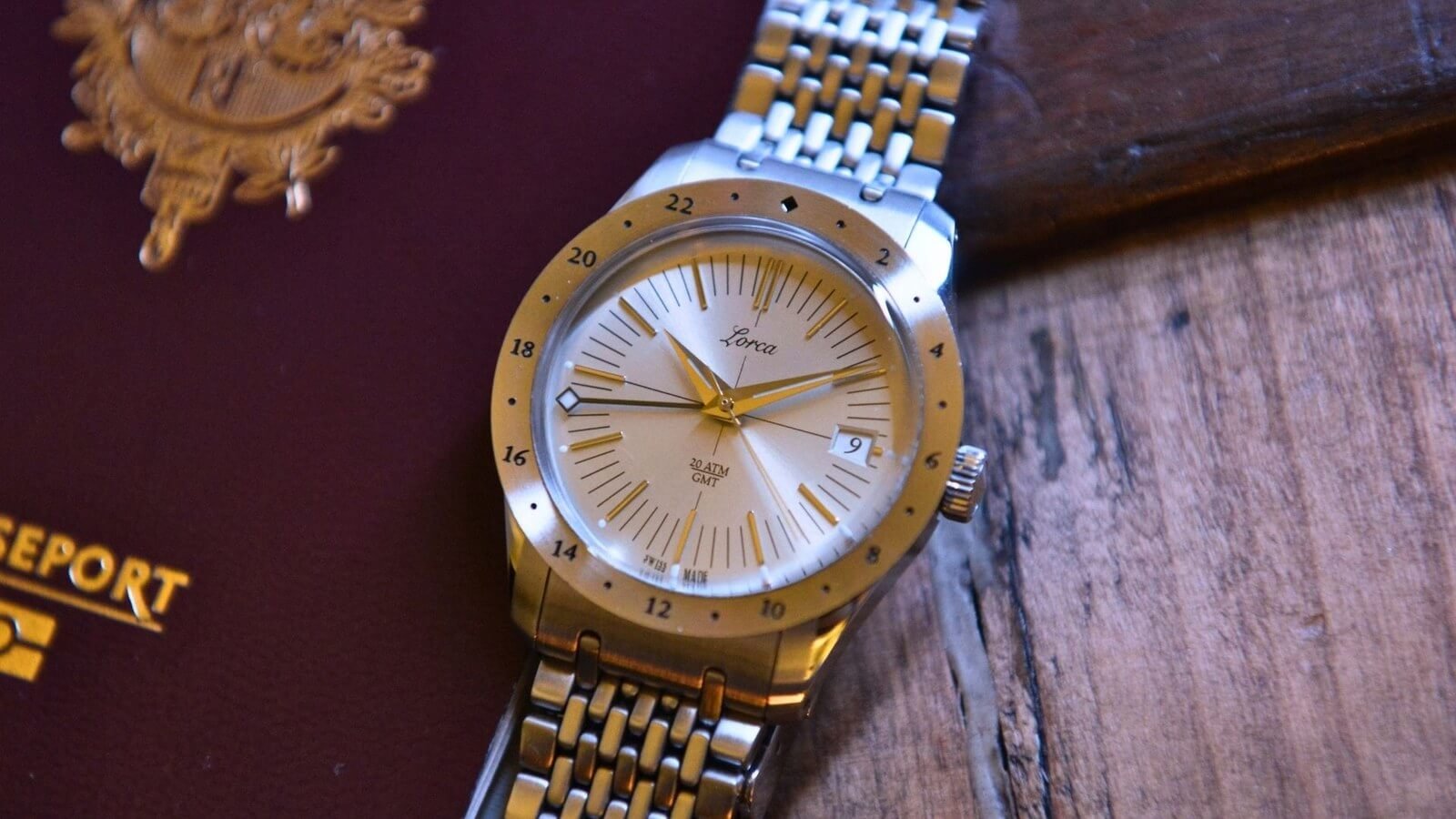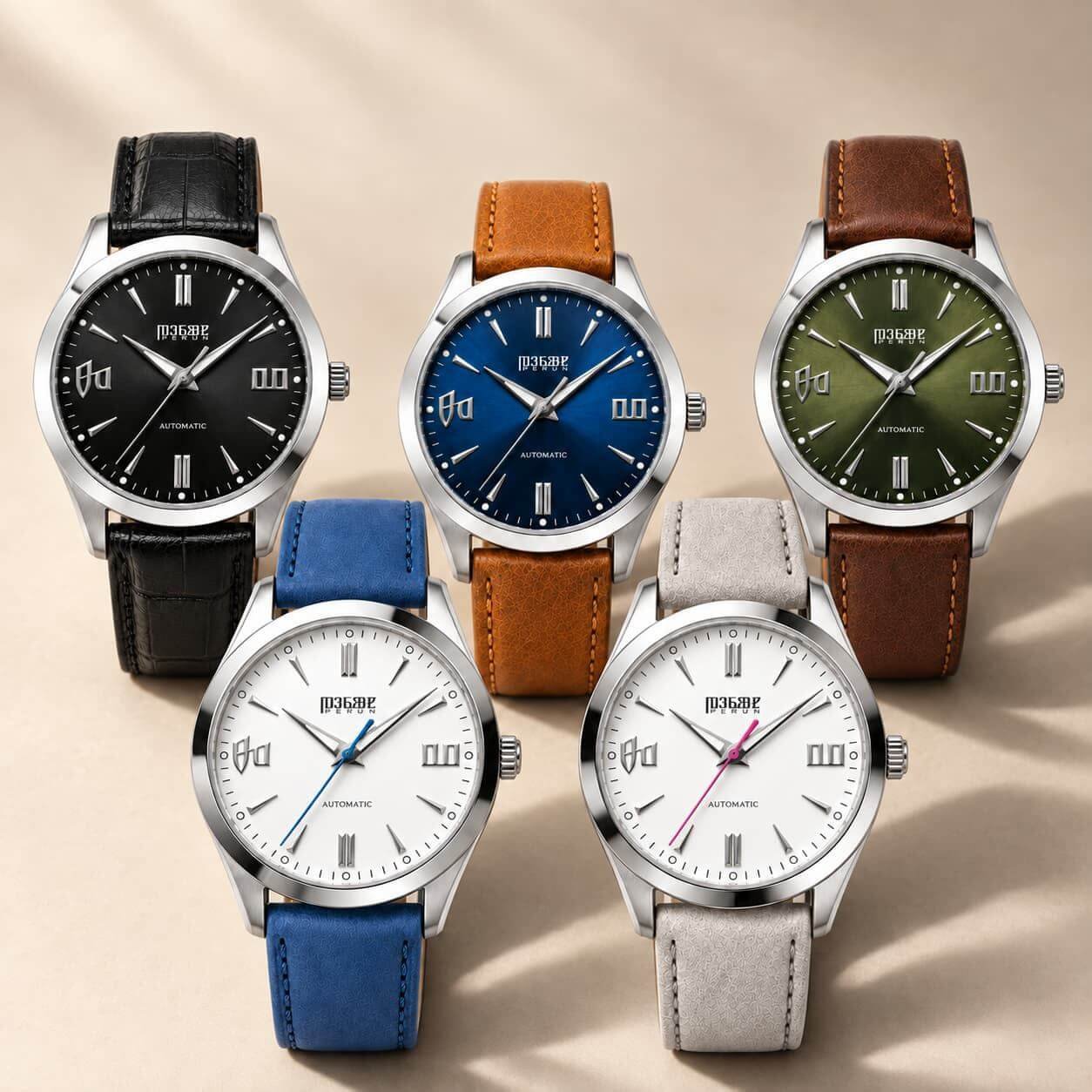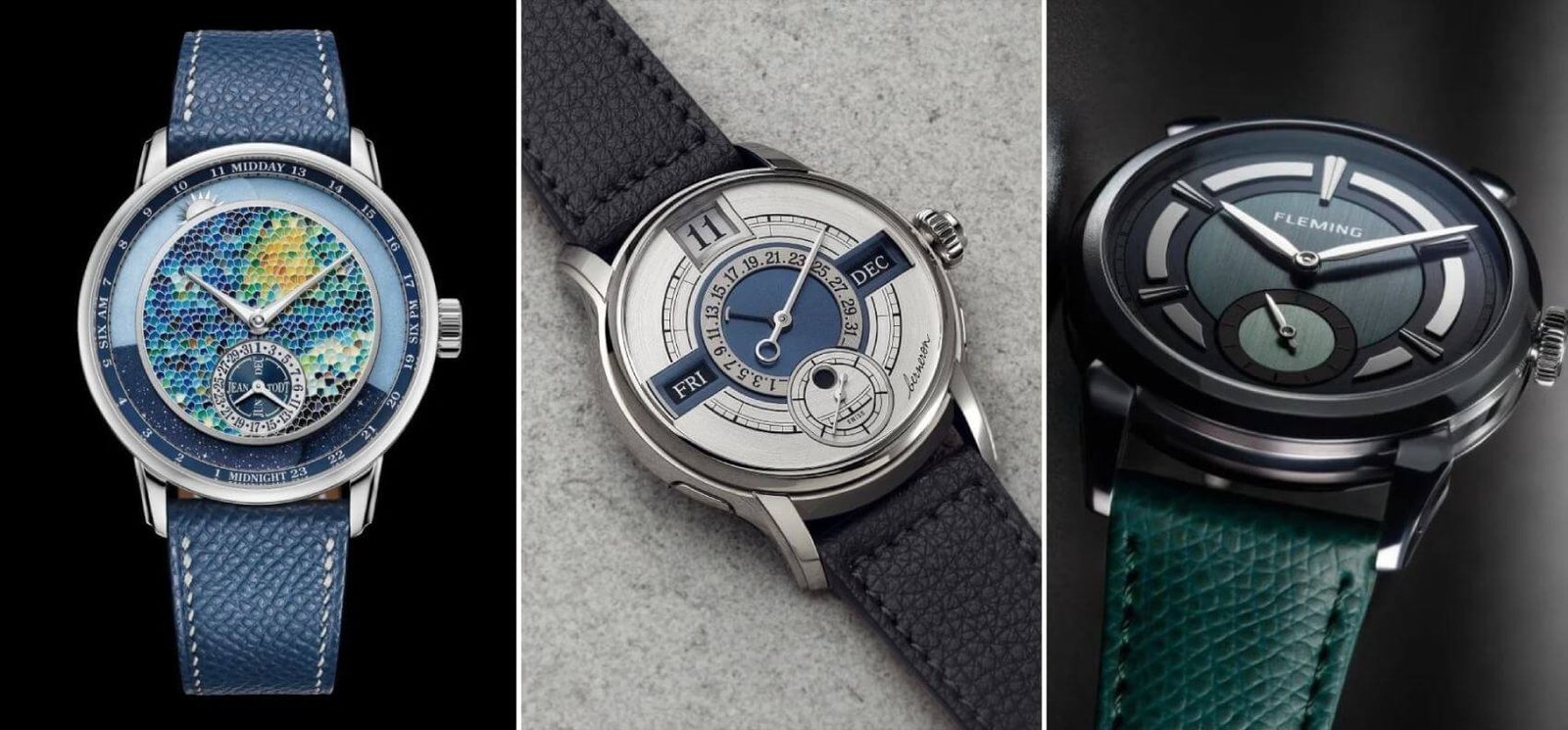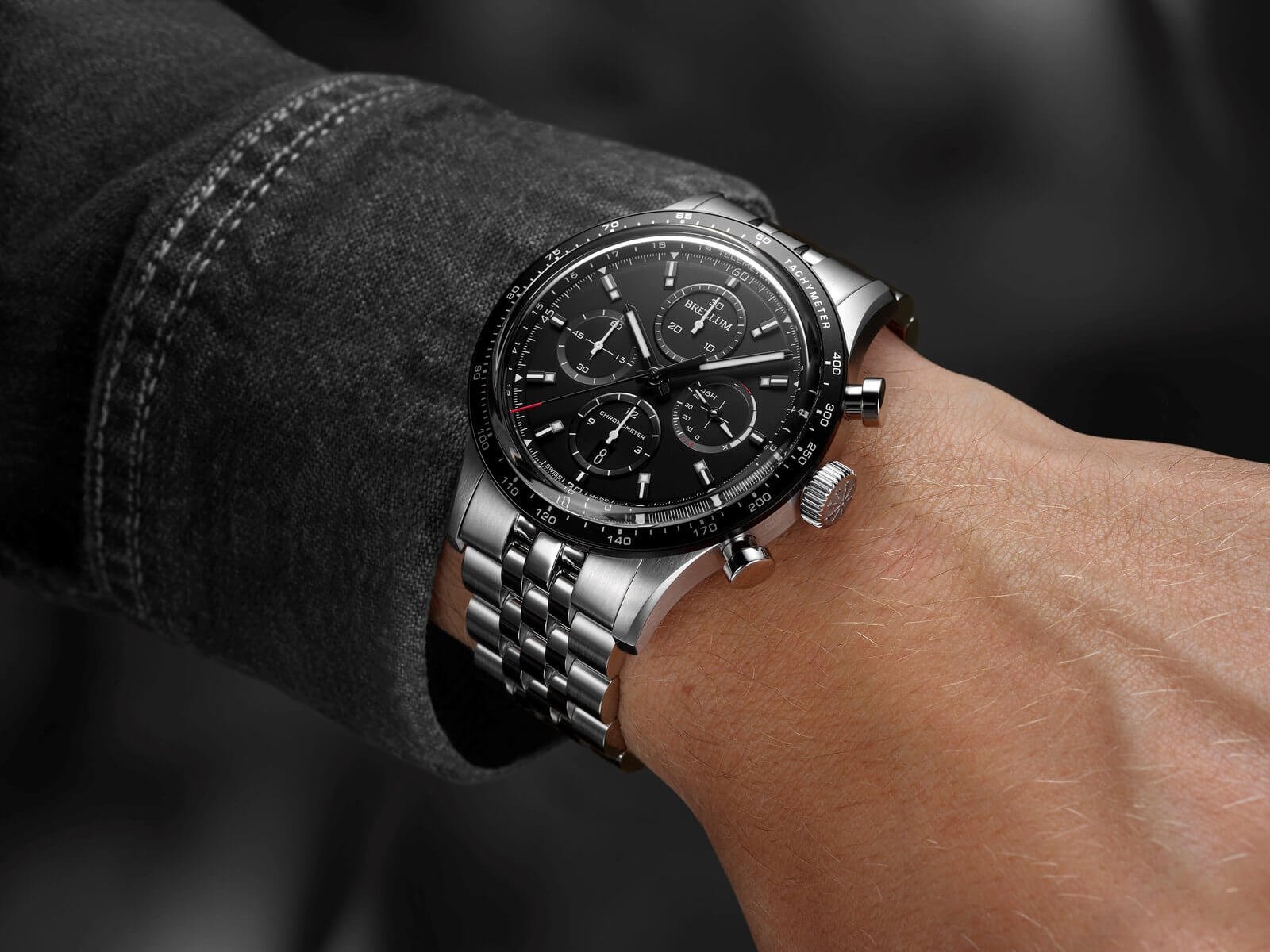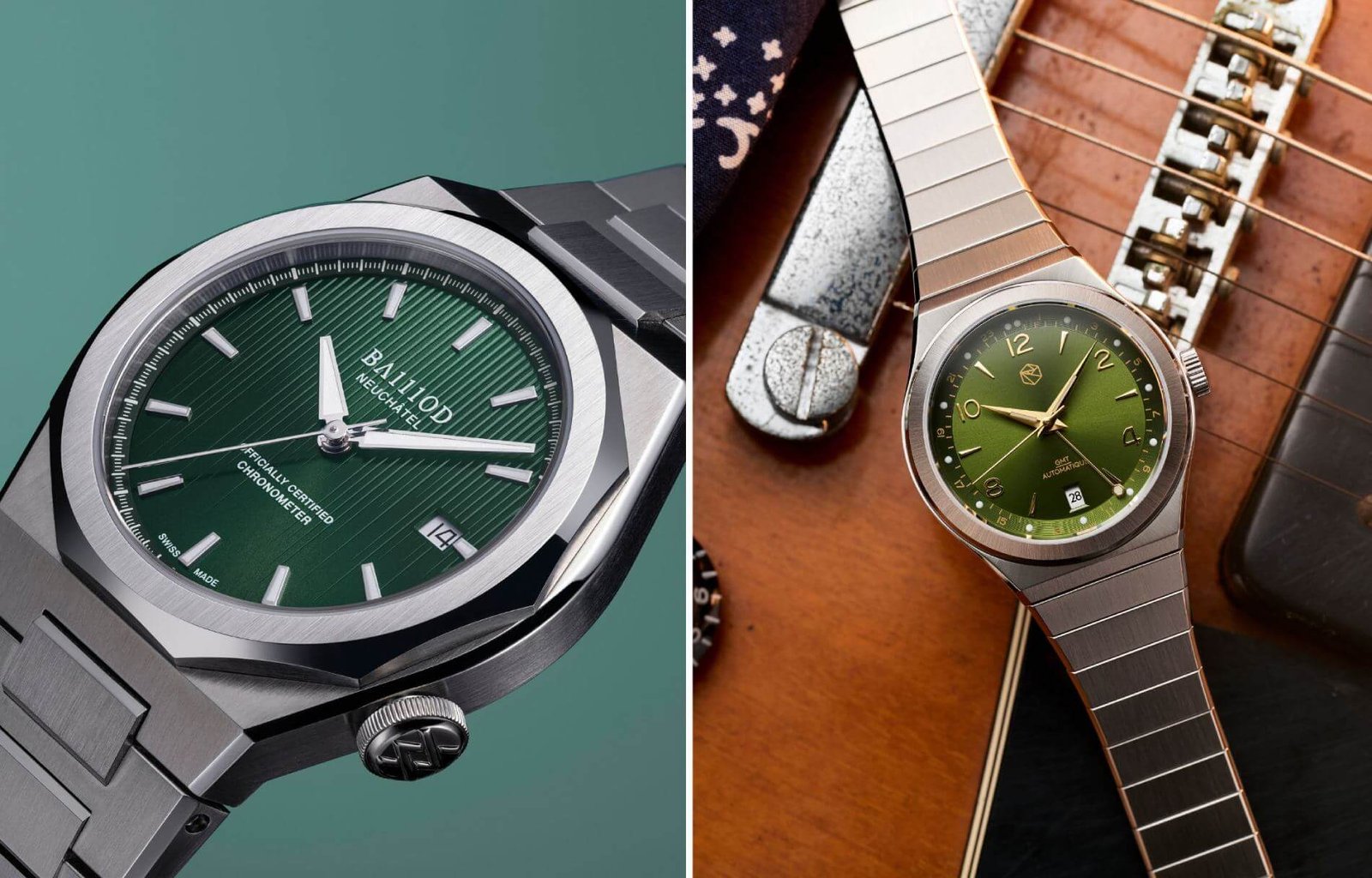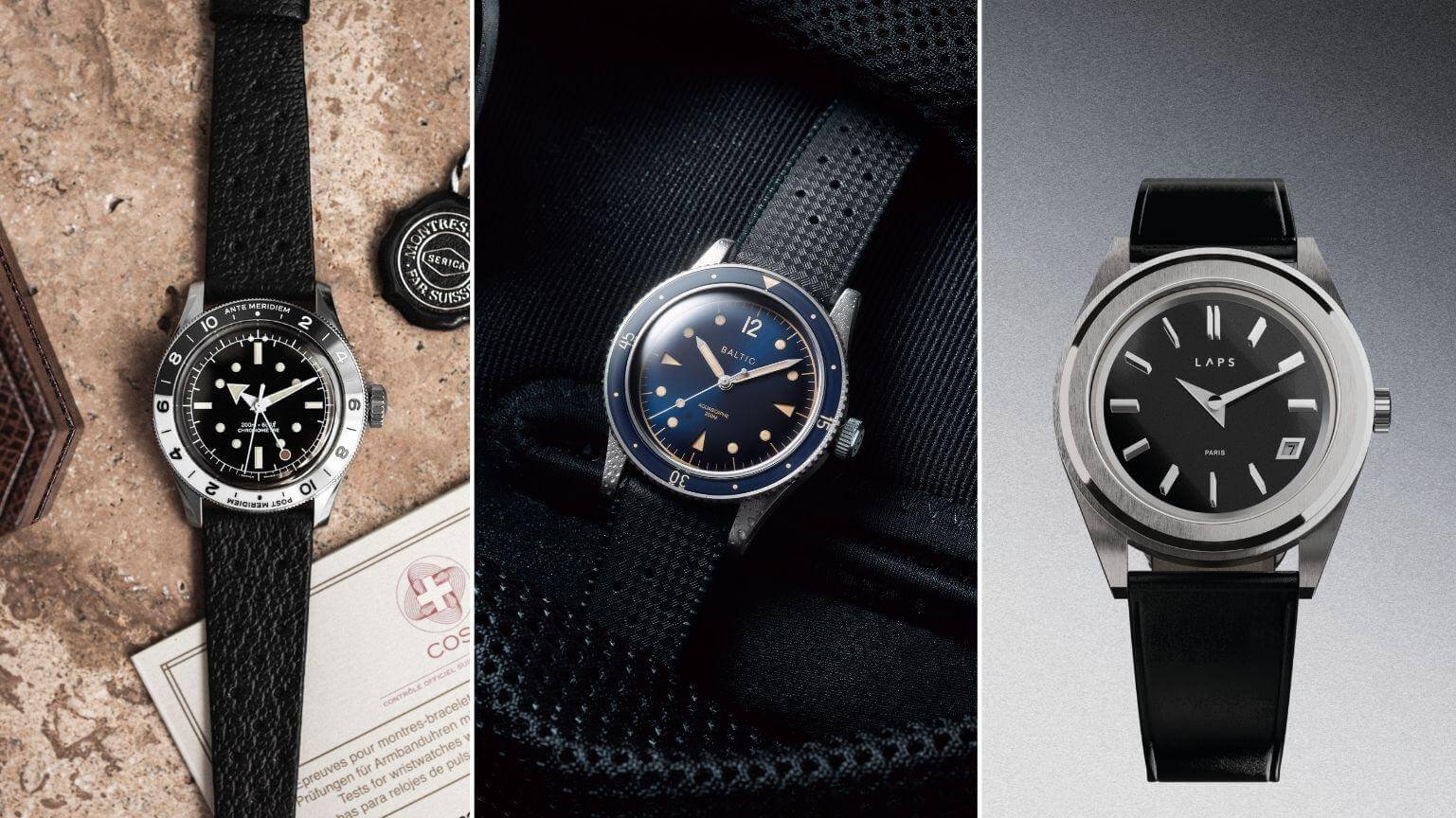
When you read an article titled something like “The 10 Best French Watch Brands”, you often end up with a list that is little more than a roundup of the most popular brands at the moment. Perhaps this article falls into the same trap, but in the interest of intellectual honesty, I’ll refrain from telling you which French watch brands are the best. Instead, I’ll tell you which ones are my favorites. After all, defining what makes a great watch brand is rather difficult, because it is always, at least to some extent, subjective.
I’ve therefore selected six brands, divided into three categories: the essentials that you already know anyway, two wild cards that stand out for their originality, and two tool-watch specialists.
For each category, you’ll find two picks at relatively different price points, but with the same underlying conviction: all six brands are fantastic — at least in my opinion!
For each brand, I’ve also selected one model that I find particularly appealing.
The Two Obvious Picks: Baltic and Serica
Baltic: The Recipe for a Success Story
Do we really still need to introduce Baltic? In just a few years, the brand has become arguably one of the best-known microbrands in the world. It’s a bit like our very own Christopher Ward for us frogs — except that CW is now more of an independent brand, given its production volume and the development of its own movements.
In an interview, Baltic founder Étienne Malec explains that, by contrast, Baltic’s DNA does not lie in following that path towards something bigger. Instead, it remains firmly rooted in the typical microbrand model: using third-party movements, keeping prices affordable, and focusing primarily on design.
Baltic is far from the only brand following this approach, so let’s take a closer look at the recipe behind its success.
Diversity.
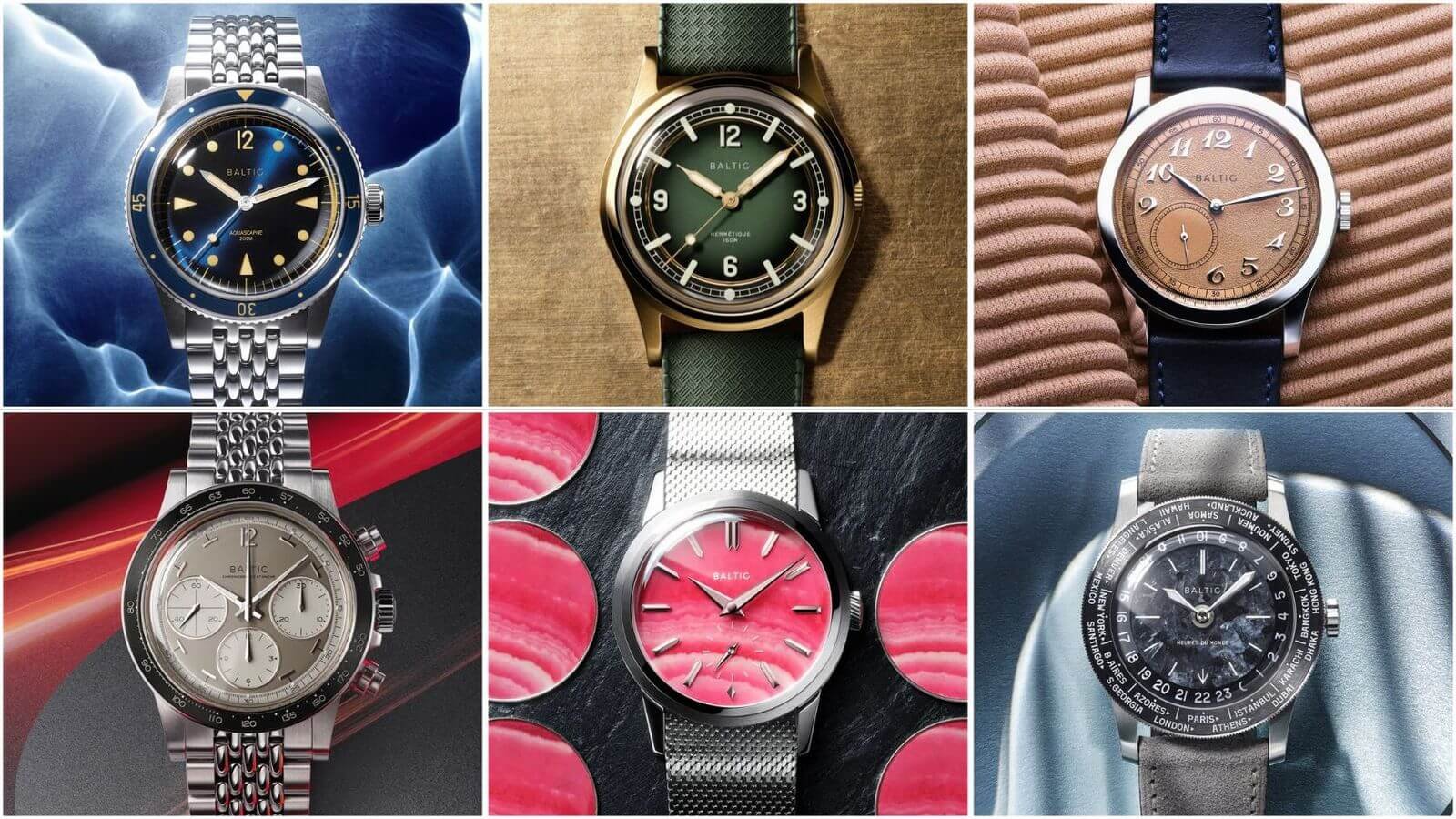
After the launch of its first two watches, the HMS 001 and Bicompax 001, Baltic released the Aquascaphe, which quickly became a commercial success and arguably the model that put the brand on the map. Baltic has constantly reinvented itself with a remarkably eclectic range of collections, from the hugely popular MR collection to the more recent Heures du Monde.
Today, I would describe Baltic as a generalist brand. It produces a very wide variety of watches and, in less than a decade, has built an impressive catalogue of no fewer than 12 collections — several of which are derived from the Aquascaphe, its flagship model. As I write this, 64 models are available, ranging from divers and field watches to chronographs, GMTs, world timers and dress watches. There really is something for everyone.
Positioning.
Baltic wouldn’t have made it this far without offering good value for money. That’s obviously one of the first things we expect from a good microbrand, and something Baltic has consistently delivered. But its success also comes from having a broad price range.
With models starting below the symbolic €500 mark and going up to around €2,000 for its most expensive pieces, Baltic is an attractive proposition for a young collector — as I’ve often seen firsthand — as well as for a seasoned enthusiast. And above all, the perceived quality for the money is often remarkably good.
A strong identity.
A varied catalogue and attractive prices aren’t enough on their own. The other essential ingredient is a strong visual identity.
Resolutely neo-vintage, with generally simple, compact cases and designs often inspired by watches from the 1940s through the 1970s, Baltic has developed a formula that is instantly recognizable. Here and there, you can spot distant echoes of Longines, Patek Philippe, Universal Genève or Rolex, but never to the point of becoming an overly obvious homage.
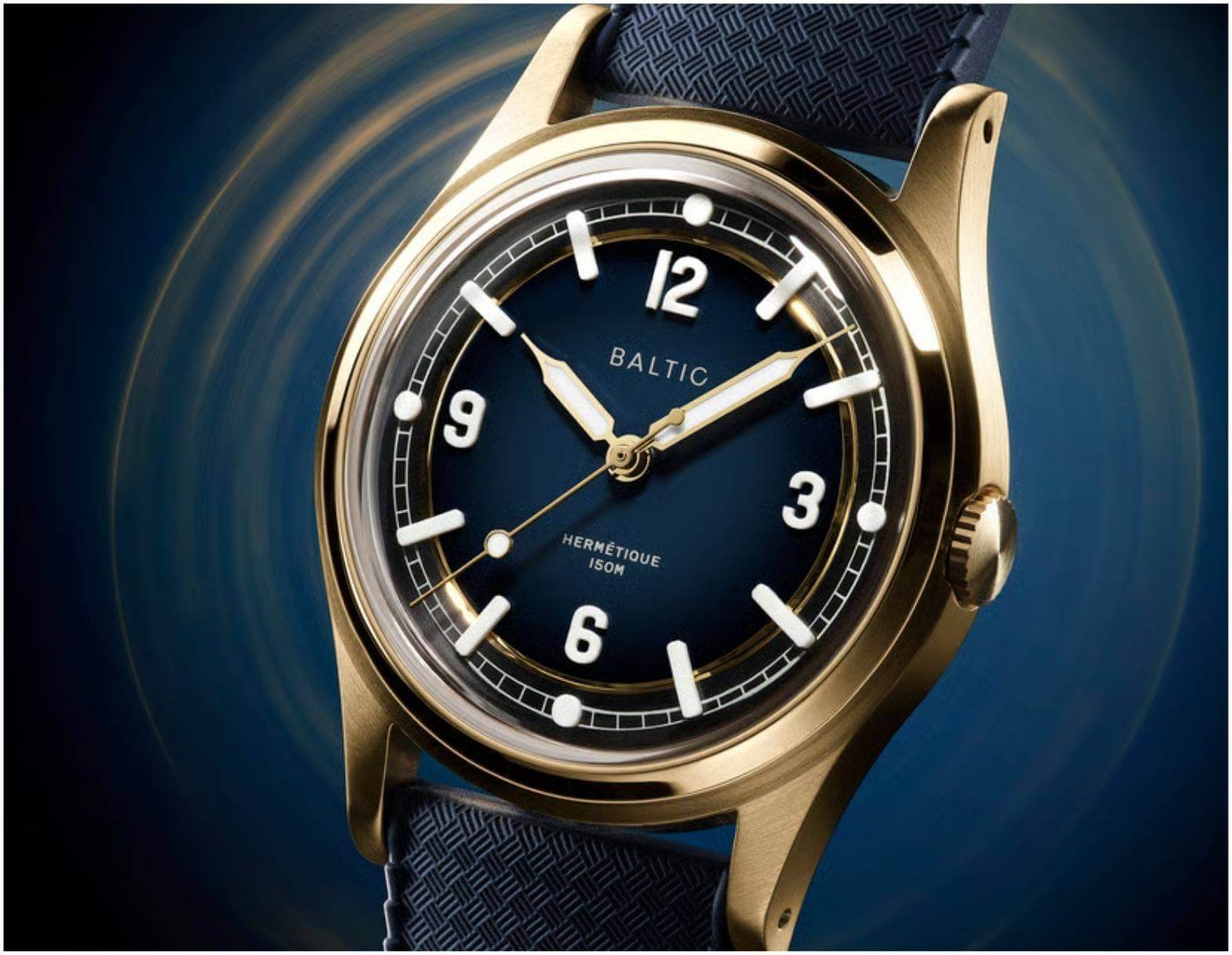
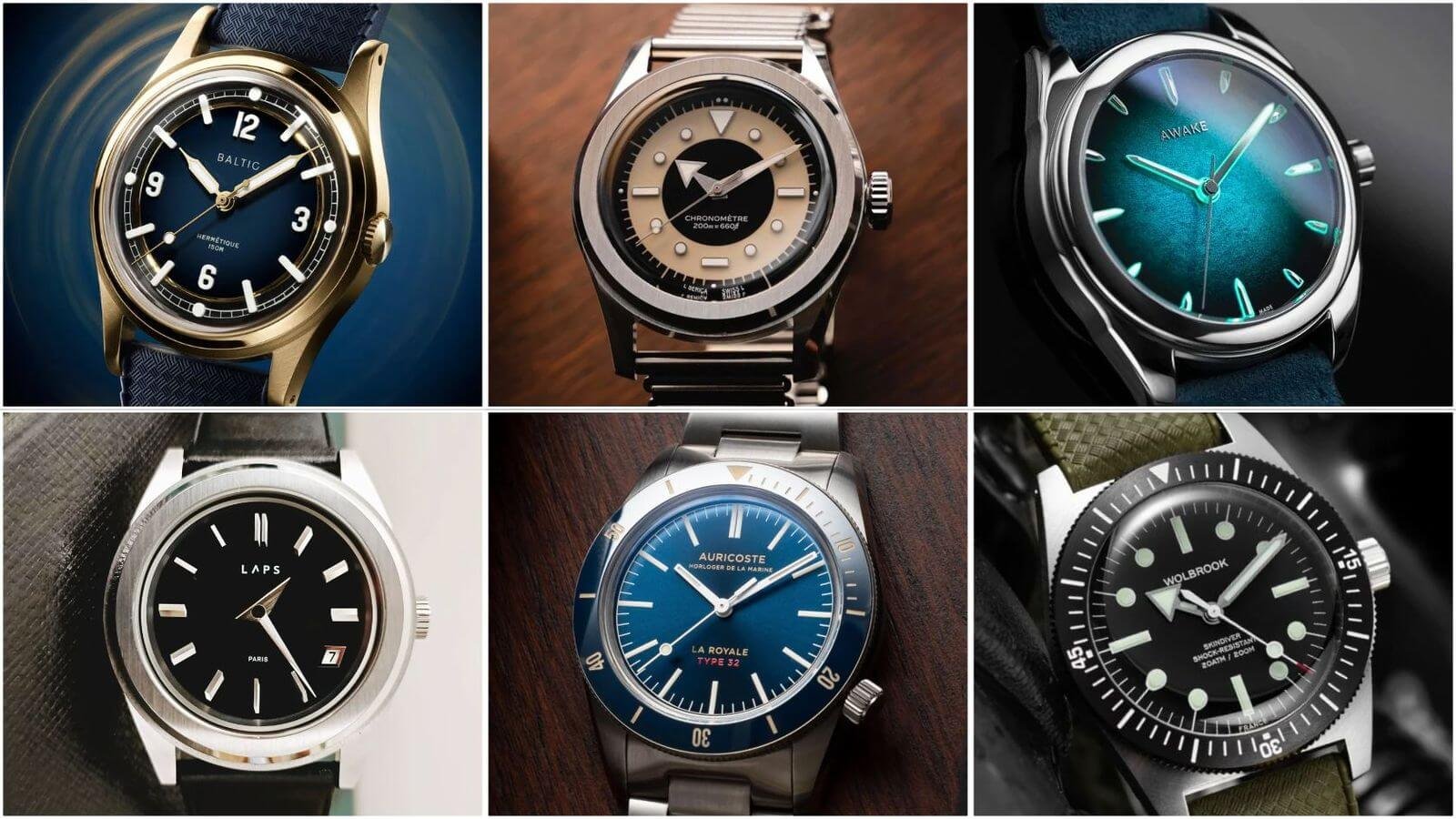
Which brings me naturally to my favorite model, with its distinctive and accomplished design that still feels unmistakably Baltic: the Hermétique Tourer Bronze Blue.
Serica: The Toolmaker for Enthusiasts
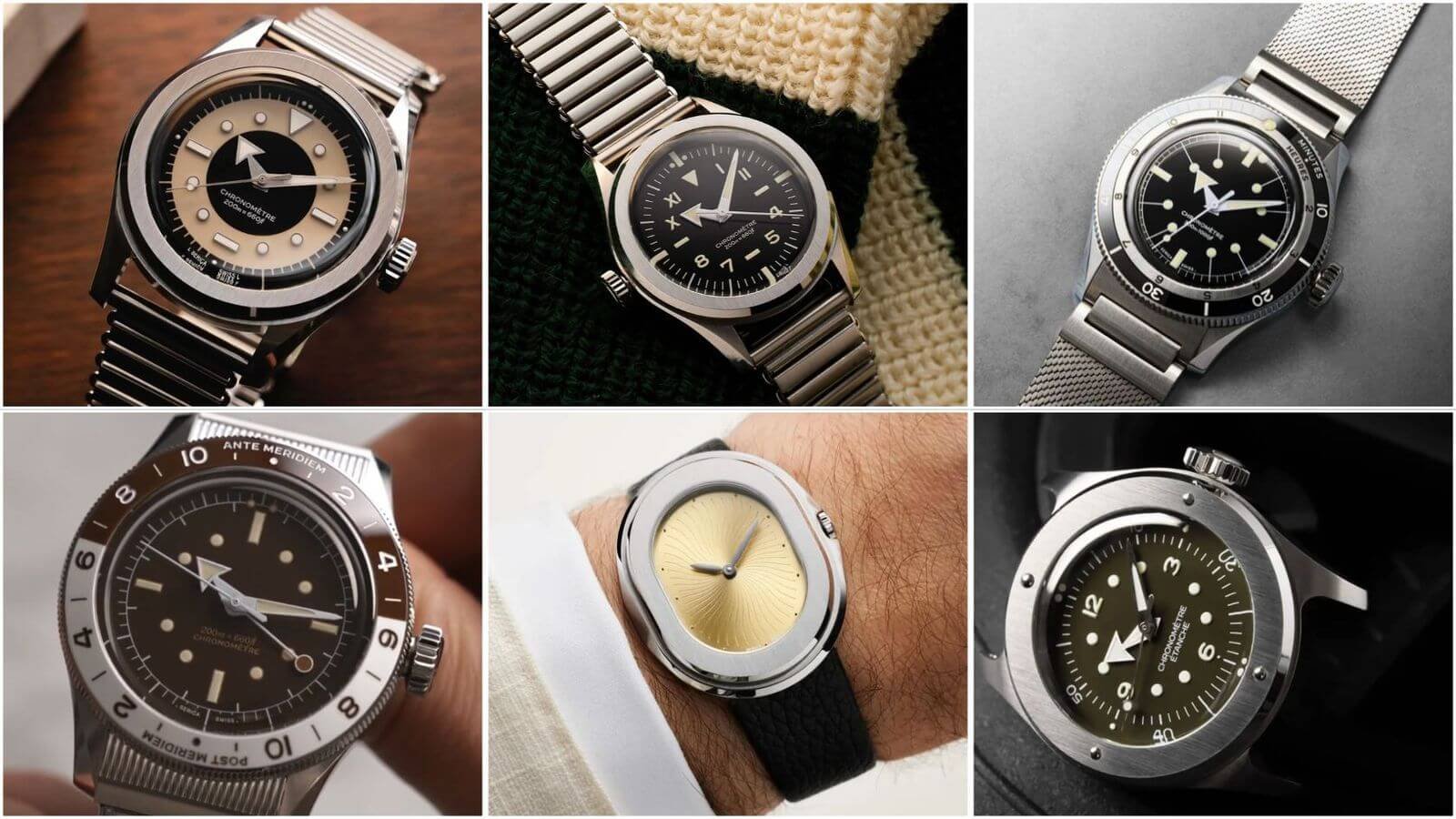
You probably know this one already, but there was no way I could leave Serica out of this list. Serica has established itself as an essential microbrand among enthusiasts. And for good reason!
Although the brand released a dressier watch in 2024 to broaden its horizons somewhat — the Parade, Serica is first and foremost a tool-watch brand. The formula? Offer highly capable, robust watches at attractive prices, combined with an aesthetic that is immediately recognizable.
And when it comes to performance, Serica doesn’t mess around. With the exception of the Parade, every watch in its current range is a COSC-certified chronometer, which remains relatively uncommon in the microbrand world.
The cases are particularly well made, with excellent finishing. Its watches immediately convey a sense of quality and solidity that is almost surprising when you consider the price.
The other major strength is the brand’s highly distinctive design language. Unlike Baltic, it’s much harder to immediately identify obvious influences from historical brands. You might see a little Omega in the lugs and hands, perhaps a touch of Patek Philippe in the Parade’s oval case shape, but there are no major influences that immediately jump out at you.
Instead, Serica established a very personal visual language from the very beginning.
If I had to single out three particularly distinctive elements, I’d start with the indices positioned closer to the center of the dial than usual, the complete absence of a logo on the dial, and its almost categorical refusal to play by the conventional bracelet rulebook.
If you want to put one of its watches on a leather strap, Serica offers end links that give its pieces a lovely vintage, slightly Art Deco character. I’m particularly fond of them! But what really sets the brand apart is its use of Bonklip bracelets — a historic design that Serica helped bring back to life — as well as woven steel bracelets for its divers and GMTs. They give the watches a unique and genuinely distinctive look.
My pick from the entire range: the Field Watch Ref. 6190 TXD (Tuxedo) on a Natural rubber strap, complete with its vintage-style end links!
The Two Wild Cards: Awake & LAPS
Awake
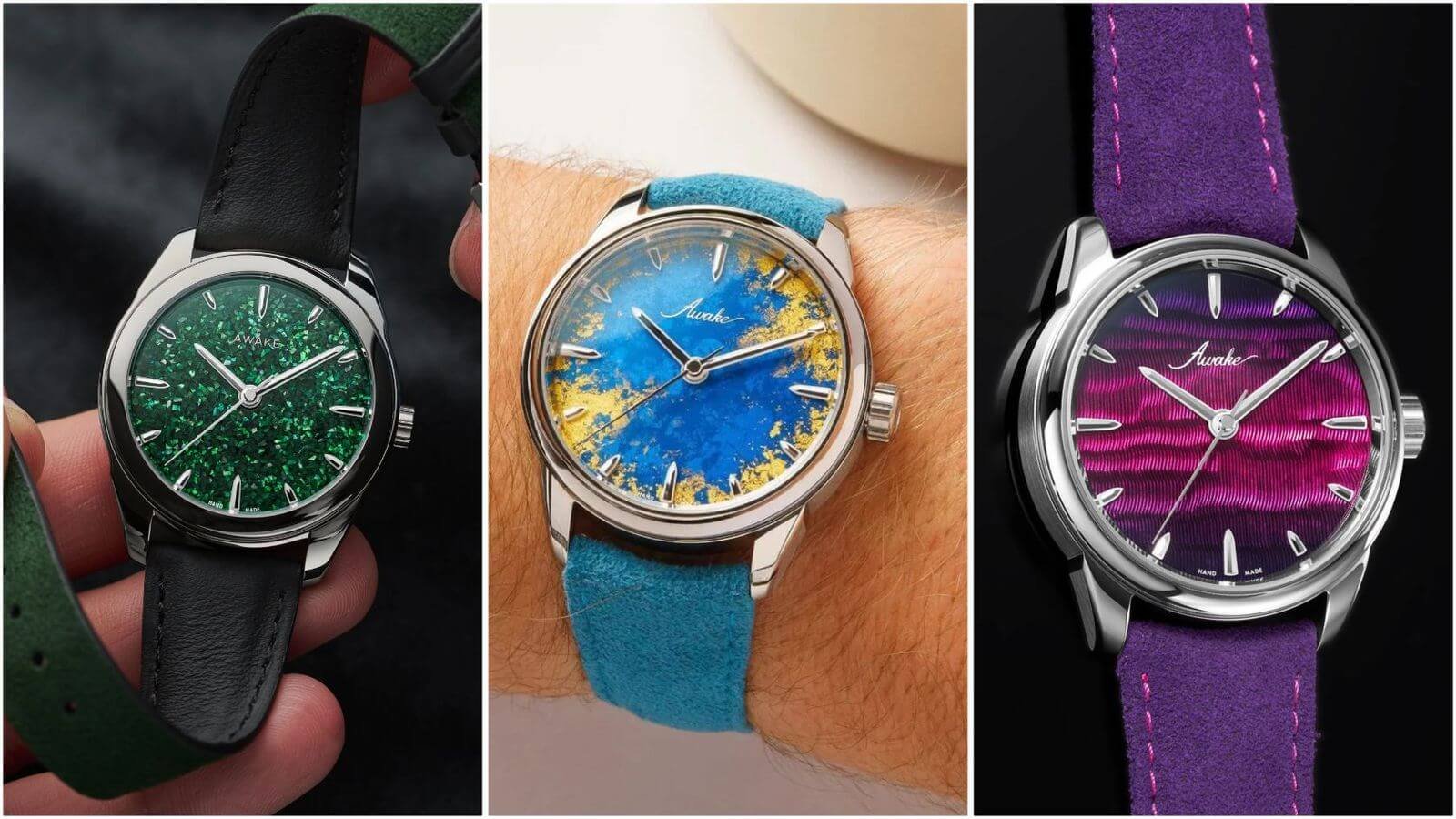
We’ve already talked about Awake on TimepieceNook. Personally, I have enormous respect for Awake, which I consider one of the most interesting French watch brands — although I would give it the same praise even if we weren’t specifically talking about French brands.
They have a very clear philosophy: each dial is made by hand using or interpreting artisanal, sometimes centuries-old techniques, with the aim of preserving and passing them on.
Traditional Vietnamese lacquerwork, silver leaf gilding, artistic micro-painting, hand-guilloché or the ancient Japanese art of raden — every piece opens the door to an entirely different universe. And the results are absolutely stunning.
Having had the opportunity to handle several of them, I can say that every piece has something unique about it. The colors are vibrant and luminous, and you can genuinely sense the enormous amount of care that goes into making them.
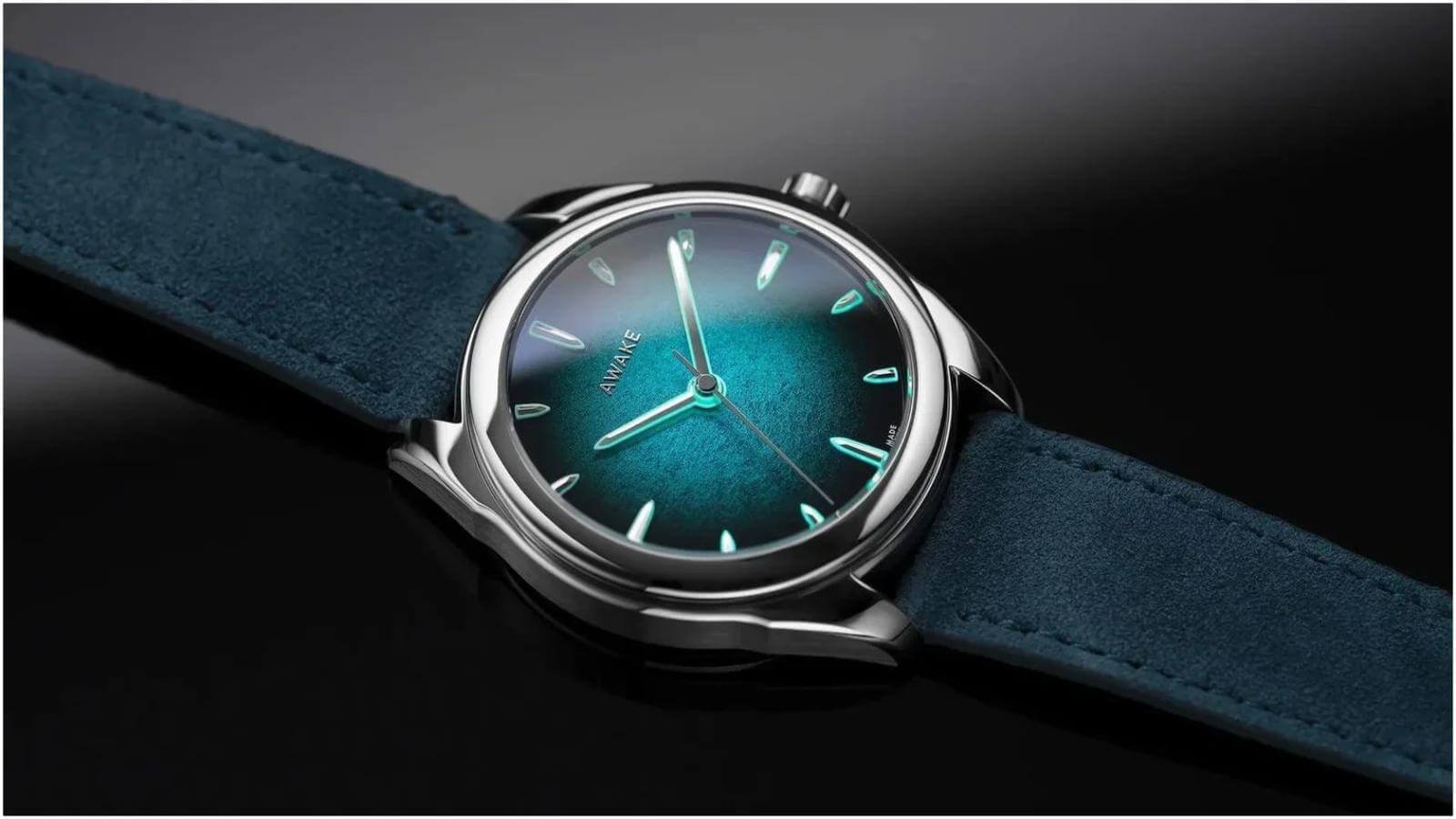
Although Awake looks to ancient techniques, it certainly doesn’t shy away from innovation. Its signature approach takes the form of a very original and well-executed use of lume: the luminous material sits beneath the indices and hands, creating a halo of light around them. It’s clever, beautifully executed, and visually striking.
Of course, that level of attention to detail extends to the rest of the watch. Well-proportioned cases, quality Swiss movements such as the La Joux-Perret G101, carefully handcrafted straps… these are watches in which I genuinely struggle to find a single flaw.
To top it all off, while the watches certainly aren’t affordable, they are remarkably well priced for what they offer, ranging from €2,000 to €3,200.
The only downside is that production is extremely limited, and the models sell out very quickly. So you have to be patient — and ready to pull the trigger quickly when an opportunity comes up. But the price is absolutely worth it.
Laps
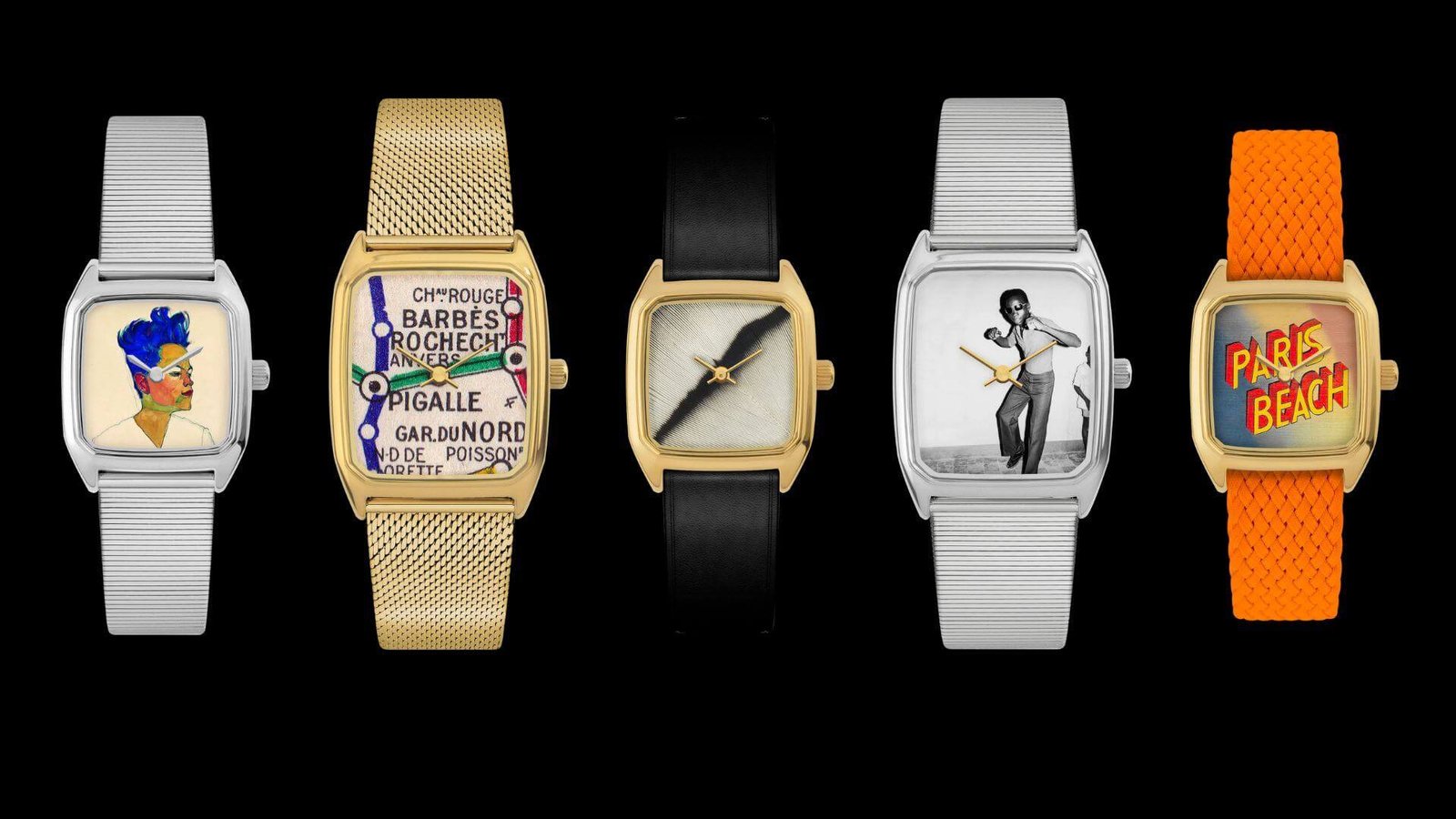
To my knowledge, LAPS has never appeared on any list of the best French watch brands — at least, not yet. But I’m perfectly happy to include it as an encouragement, and as a way of saying that I hope its recent releases are only the beginning of a very promising journey. Let me explain.
For most of the past decade, LAPS produced inexpensive quartz watches that the brand itself described as fashion accessories aimed largely at a female audience rather than as pure watchmaking propositions. And no snobbery towards quartz watches here, by the way — those are their own words!
More recently, the brand released a collection that, as I write this, ranks among my favorite releases of the year. So much so that after trying one on, I walked out of the shop wearing it.
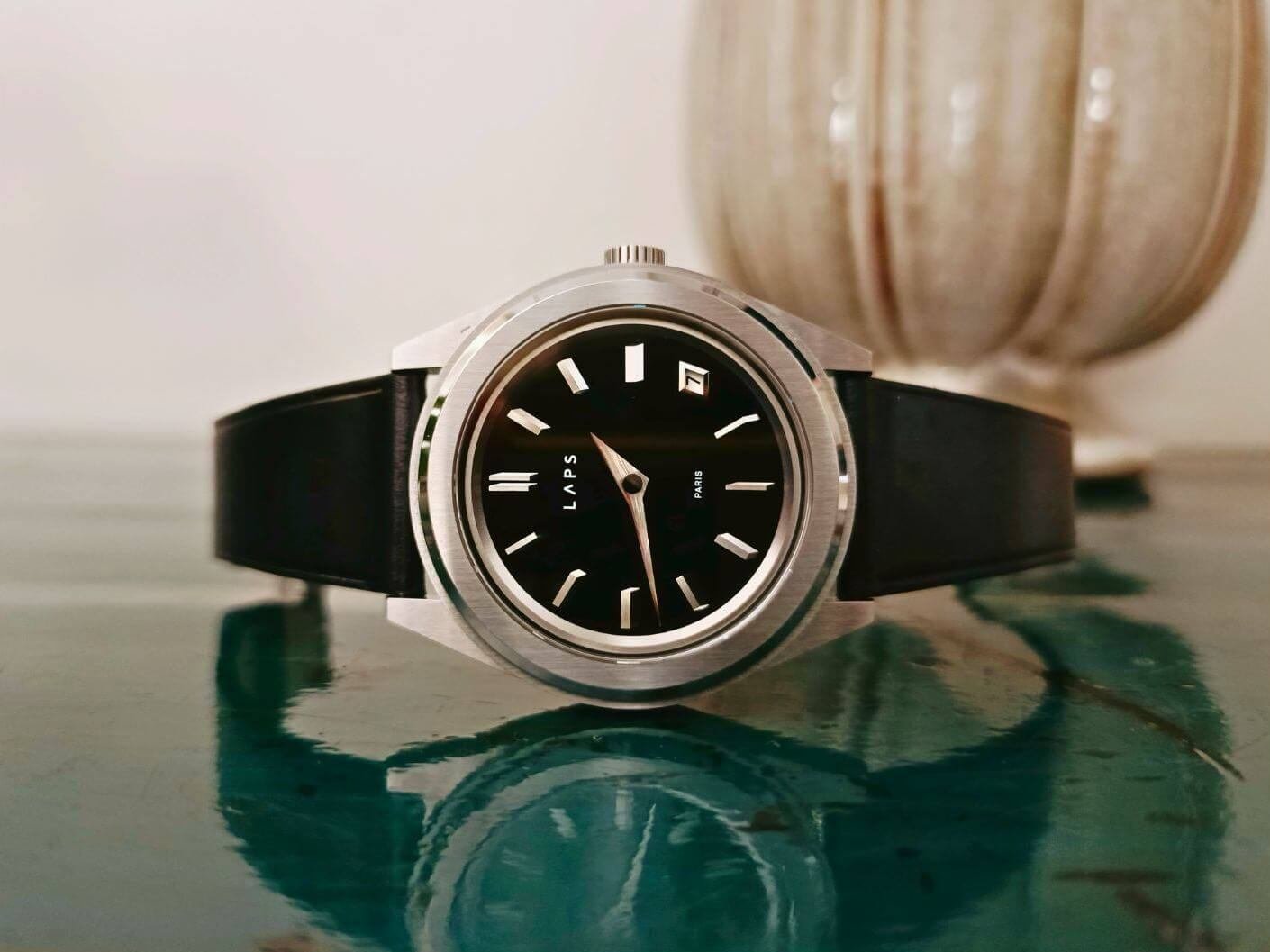
Their first foray into mechanical watchmaking has very little in common with their previous collections. Meticulous, coherent design, enamelled or textured dials, wonderfully unusual — and completely crazy! — indices, beautiful finishing… I absolutely fell for them.
So yes, they still have to prove that they can follow through and show me that this wasn’t an isolated stroke of brilliance, but the beginning of something much bigger. But I want to believe in the new direction this brand has taken, and by including it in this list, I want to congratulate them and give them my support.
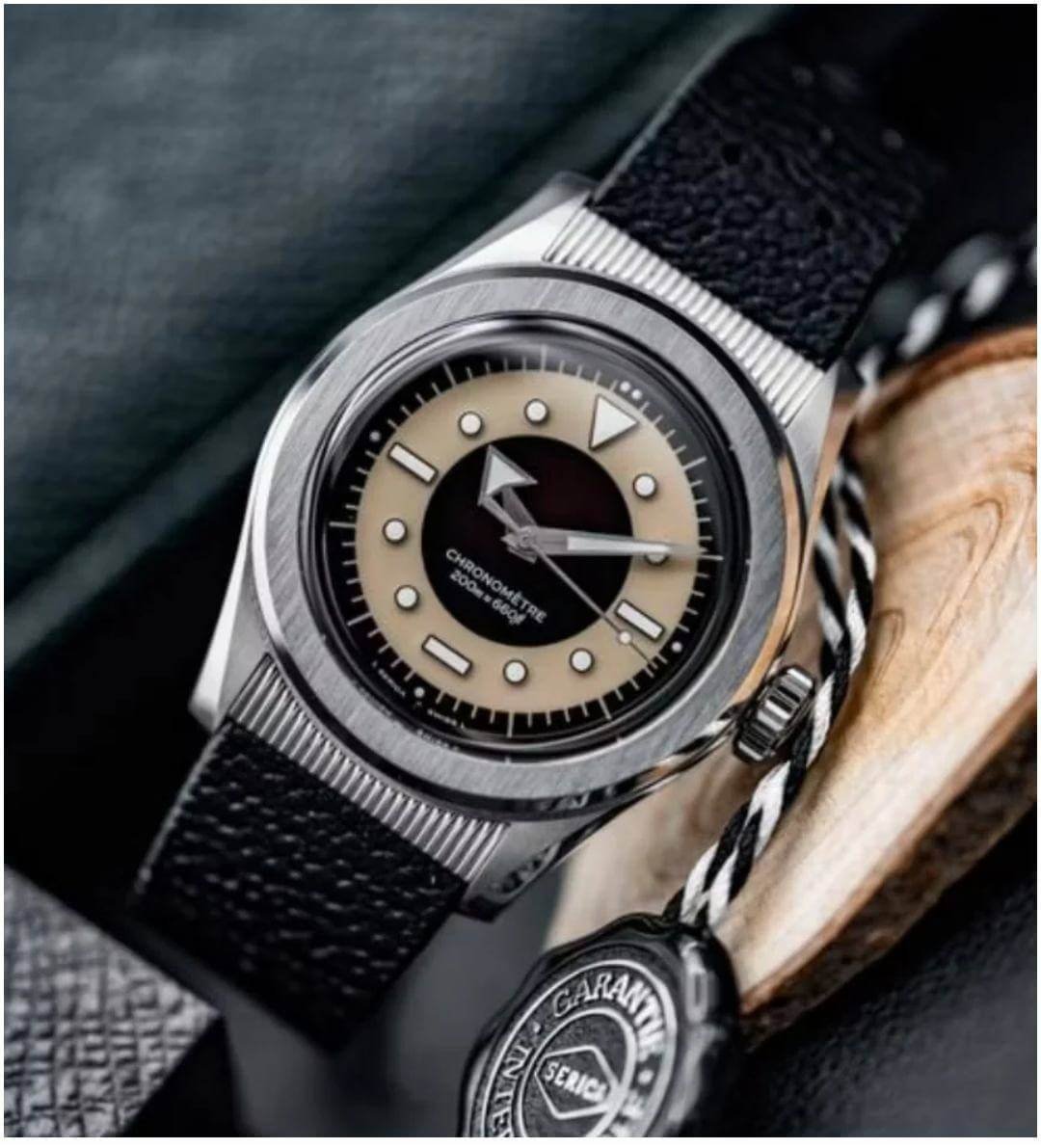
Naturally, I’m choosing the one that has made its way into my own current collection: the LAPS Arche S02 Black. I also reviewed this watch recently. You can read the full review here.
The Two Tool-Watch Specialists: Auricoste and Wolbrook
Auricoste
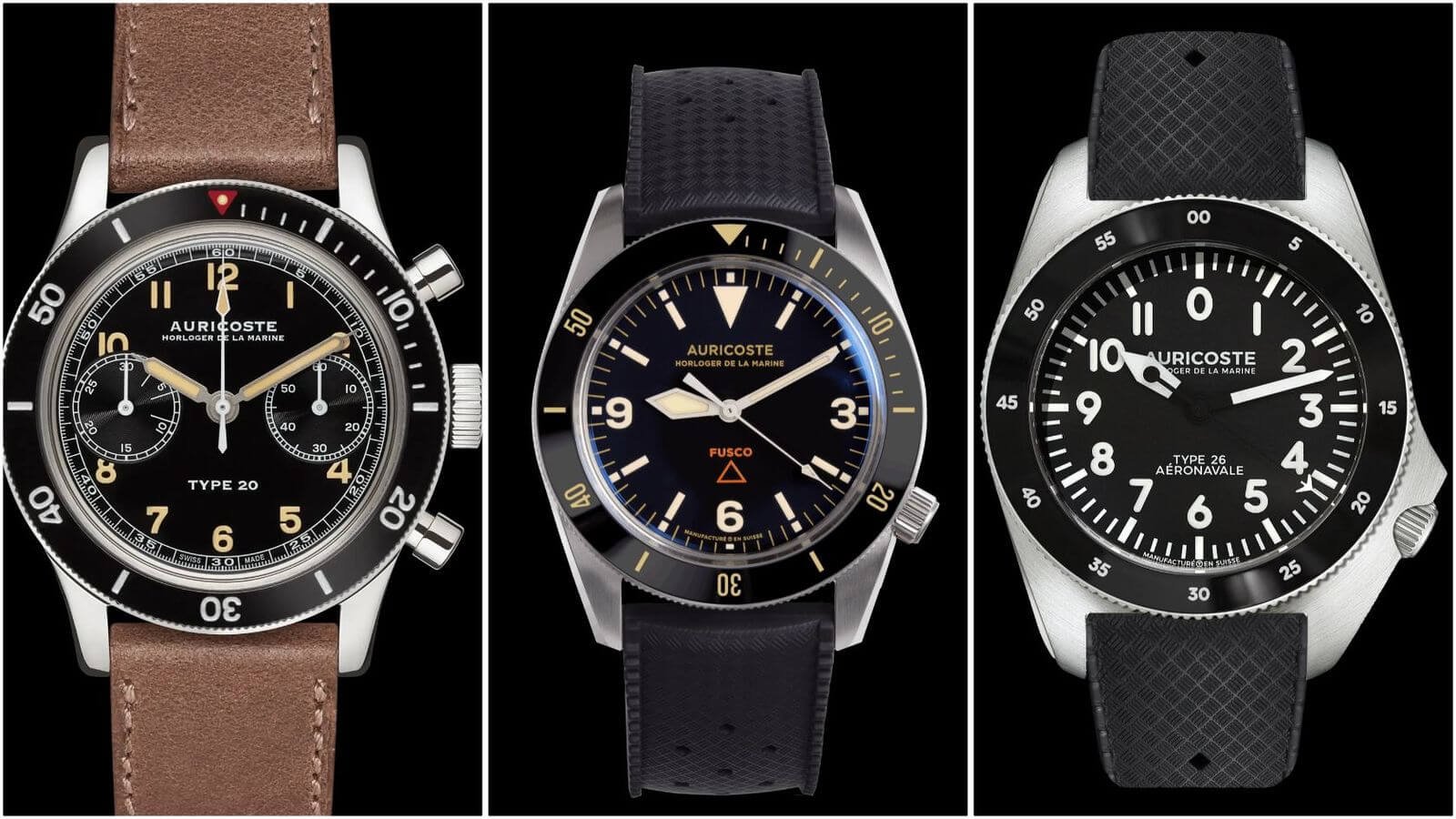
It may be one of the least well-known brands on this list (along with Laps) and whether Auricoste should even be considered a microbrand is debatable. However, it shares several common traits with microbrands such as limited production, being a family business, and use of third-party movements.
Microbrands are often criticized for lacking the history of major brands such as Longines, Omega and so many others. But Auricoste’s history is incredibly rich.
You see, Auricoste was an independent watchmaking house whose origins go back more than 170 years. Founded in 1854 by Émile Thomas, the company became Auricoste at the beginning of the 20th century after Joseph Auricoste took over the business. It would be impossible to properly summarize all of that in just a few lines, and the brand really deserves an article of its own — one I hope to write someday!
Its distinctions as Watchmaker to the State Navy, the Observatory of the Bureau of Longitudes, the Army Geographical Service, and the National Conservatory of Arts and Crafts are almost as impressive as the gold medal it received at the 1900 Paris Universal Exhibition.
The brand supplied clocks, watches, pocket chronographs and other measuring instruments to the French military from the First World War onwards, then equipped some of the French Navy’s most prestigious vessels, including the aircraft carriers Foch, Clemenceau and Charles de Gaulle, as well as helicopters and combat aircrafts. It also collaborated with Patek Philippe on the creation of electromechanical marine timekeeping systems.
You’re probably starting to get the picture: Auricoste is a legend of French watchmaking, and its reputation was once so strong that its watches and instruments could also be found aboard numerous vessels outside France, including Spain, Italy and the United States.
The quartz crisis eventually led the company into bankruptcy. In the early 1980s, Claude Tordjmann — a close associate of the Auricoste family — stepped in and acquired the company, setting the stage for its revival. The company eventually expanded its focus from military and professional instruments to watches aimed at civilian enthusiasts.
So we’re talking about a world-class pedigree here! And, naturally, the watches live up to it.
Pure military watches: reliable, legible, robust — in a word, effective! They use Swiss movements from Sellita, ETA, Soprod and Dubois Dépraz, with prices ranging from €1,650 for the Type 26 Aéronavale to €3,920 for the Flyback Type 52 Chronograph.
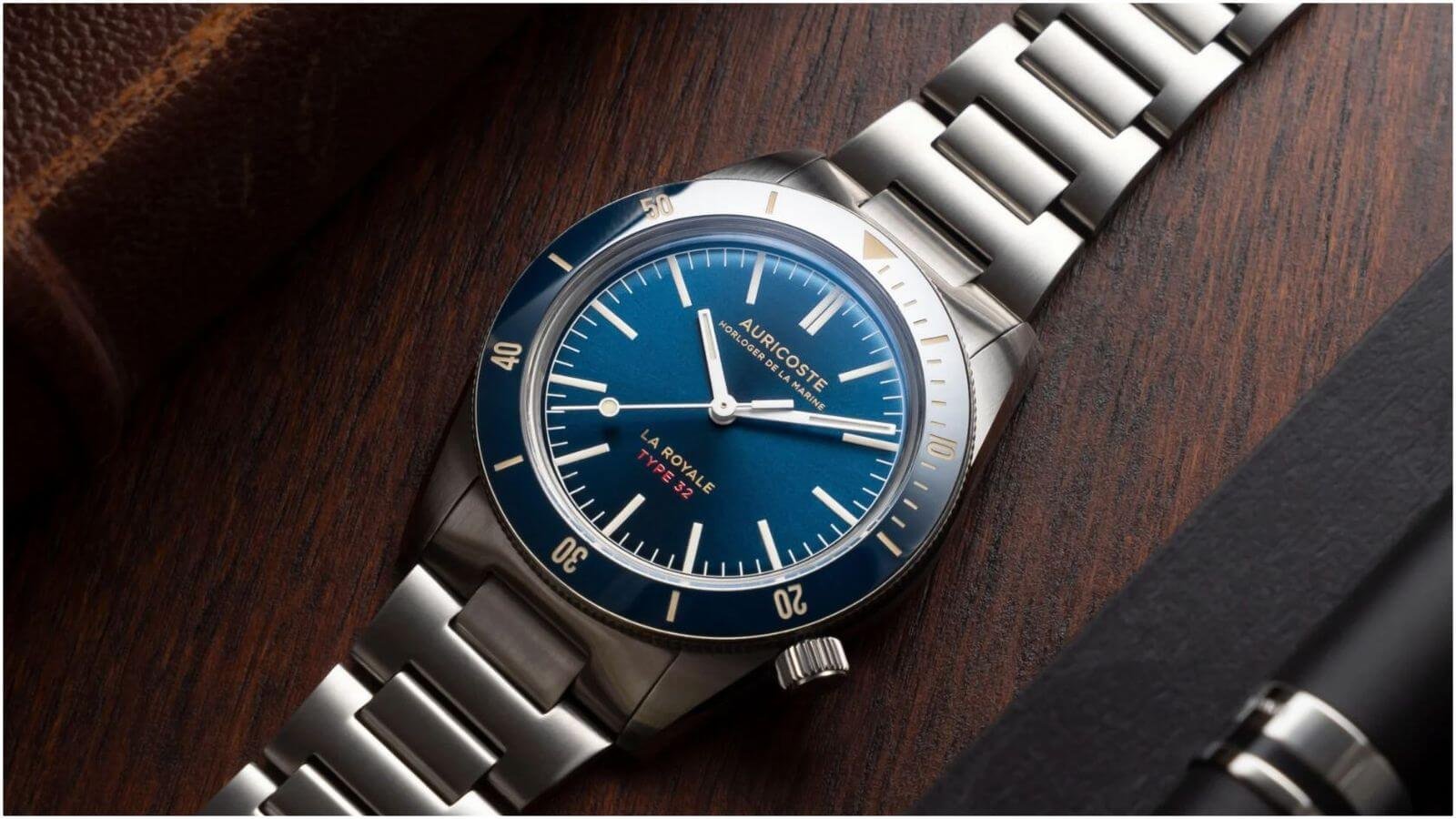
But my absolute favorite is a 37 mm diver with a sunburst dial: the recent Royale Type 32 Blue that is in my personal collection.
Wolbrook
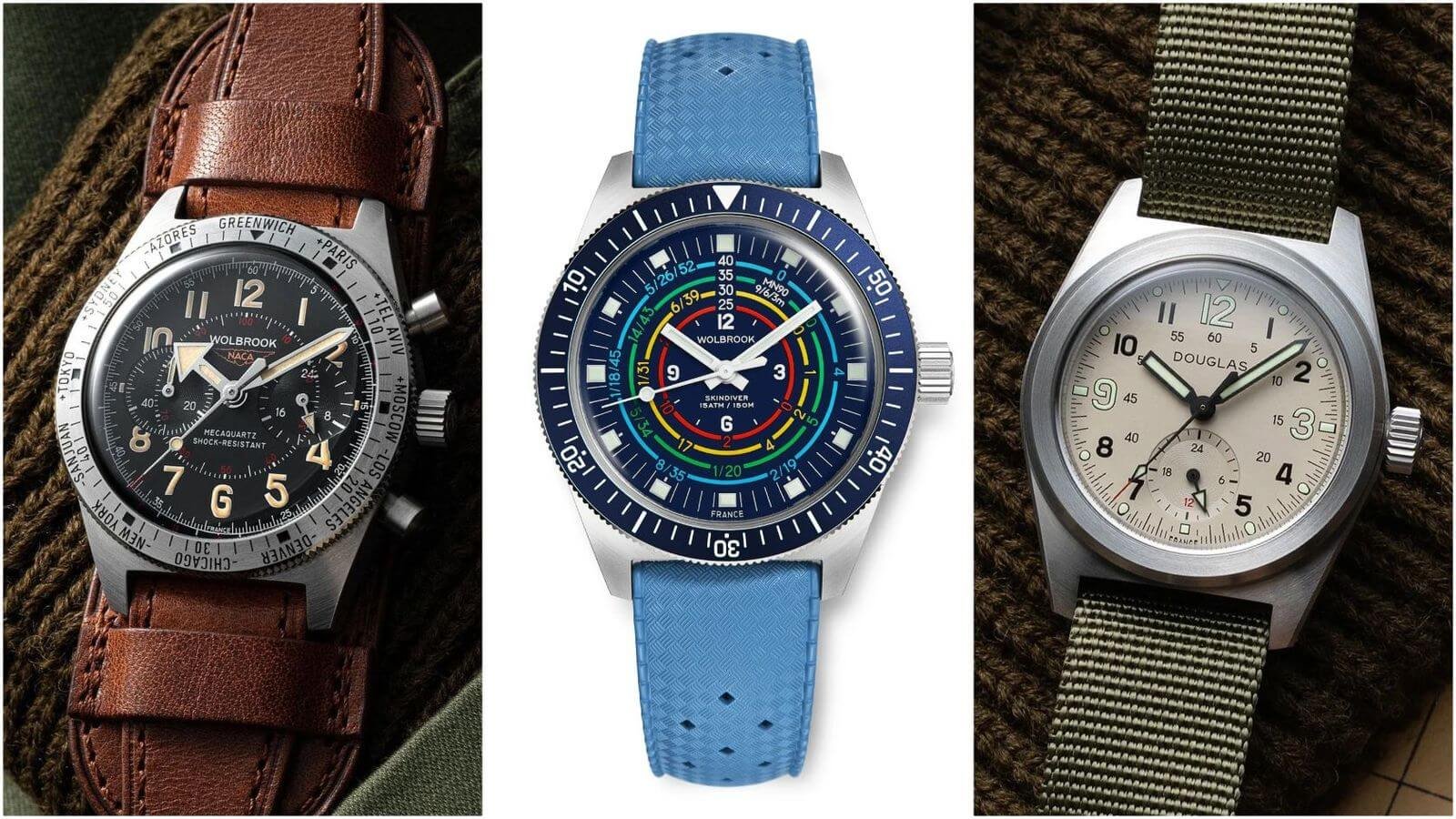
The brand, initially American, was founded in the 1940s. After disappearing for several decades, it was eventually revived in the country with which it had forged strong ties since the 1960s: the land of the baguette!
And just like Auricoste, Wolbrook is first and foremost a specialist in tool watches. Divers, skindivers, chronographs, field watches, the brand covers pretty much the entire tool-watch spectrum, with a coherent aesthetic and a clear emphasis on legibility, robustness and practicality.
But you can’t talk about Wolbrook without mentioning its sister brand, Douglas. To be more precise, Wolbrook was the “parent” brand, while Douglas was the “daughter” brand and the movements and components on Douglas watches were signed by Wolbrook. Today, they remain distinct brands, but they share much of the same history, design DNA, manufacturing ecosystem, and even the same website. In practical terms, they operate very much like two sides of the same brand.
Both brands offer remarkably accessible pricing. The Outrider Professional Mecaquartz field watch, for example, starts at under €200. But their mechanical chronographs are perhaps the best example of this philosophy.
Wolbrook offers remarkably affordable mechanical chronographs powered by Jeambrun movements. The movements are developed for Wolbrook using base movements supplied by the Chinese group Peacock, and assembled, adjusted and regulated in France, which is unusual enough to deserve a mention in its own right.
This is precisely the kind of offering I like to see from a microbrand: a strong identity, an interesting history, genuinely useful watches and a few unusual choices that make them feel like much more than just another take on an established formula.
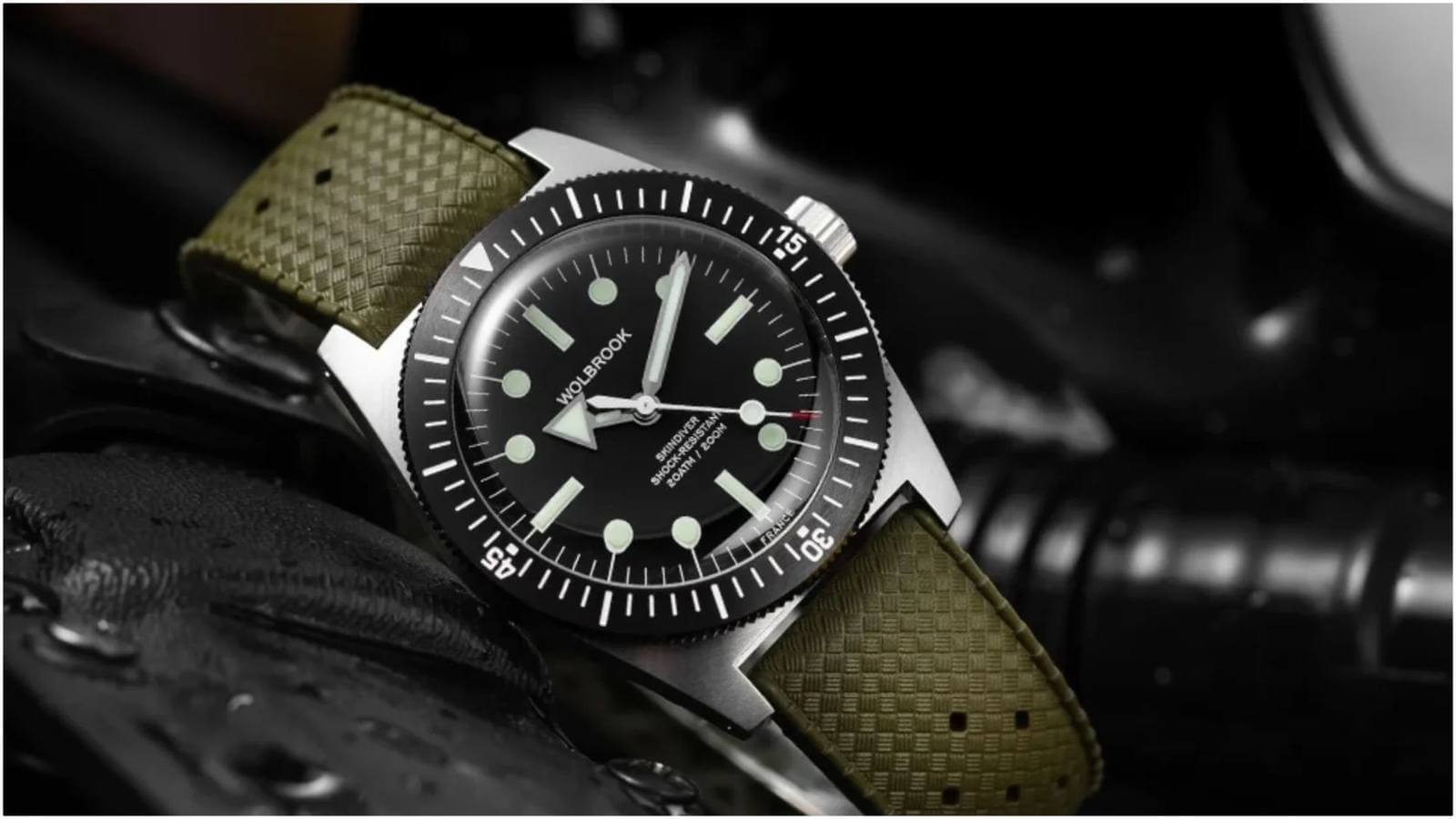
My pick is an easy one: the Skindiver 38 « Reduxed ». A compact 38 mm dive watch with a vintage skindiver look I particularly love, powered by a Miyota 9039.
I have spoken!
There are plenty of interesting French watch microbrands out there, and narrowing them down to just six is surprisingly difficult.
I am nonetheless very satisfied with this selection, which covers a wide range of watches, prices, and styles.
Living in France, I’ve had the opportunity to try on many french watches, some of which have even become part of my personal collection, but these six are, in my opinion, a cut above the rest.
We could give honorable mentions to 47Zero, Depancel, Beaubleu, Hegid, H.G.P., Daudane, and many others, but this article would become endless!
Don’t be surprised either by the absence of certain well-known French brands such as Yema, Pequignet, or Lip; these are more independent brands than microbrands and will be the subject of a future article.