Serica Watches: A modern French brand rooted in vintage soul
I didn’t know about Serica for a long time. When I first began exploring independent horology, my attention naturally drifted toward the more visible French names such as Yema and Baltic. Serica came later, but the moment I encountered their watches in person, something clicked. It wasn’t any marketing hype that drew me in; it was the sheer beauty of the instruments themselves. Their designs rooted in the utilitarian elegance of the 1940s through the 1970s felt instantly familiar yet unmistakably their own.
In a landscape crowded with vintage‑inspired microbrands, only few manage to create watches that feel recognisable without shouting their identity. Serica is one of those exceptions. Each model is built with a clear purpose, whether it is field, diver, or GMT, the watches balances design with strong watchmaking credibility. With robust construction and COSC‑certified precision, Serica’s watches don’t just look beautiful - they perform it. My initial infatuation has only deepened, because Serica proves that independent watchmaking can still feel refreshing when strong design integrity is paired with genuine mechanical credibility.
From watch journalism to Independent Watchmaking
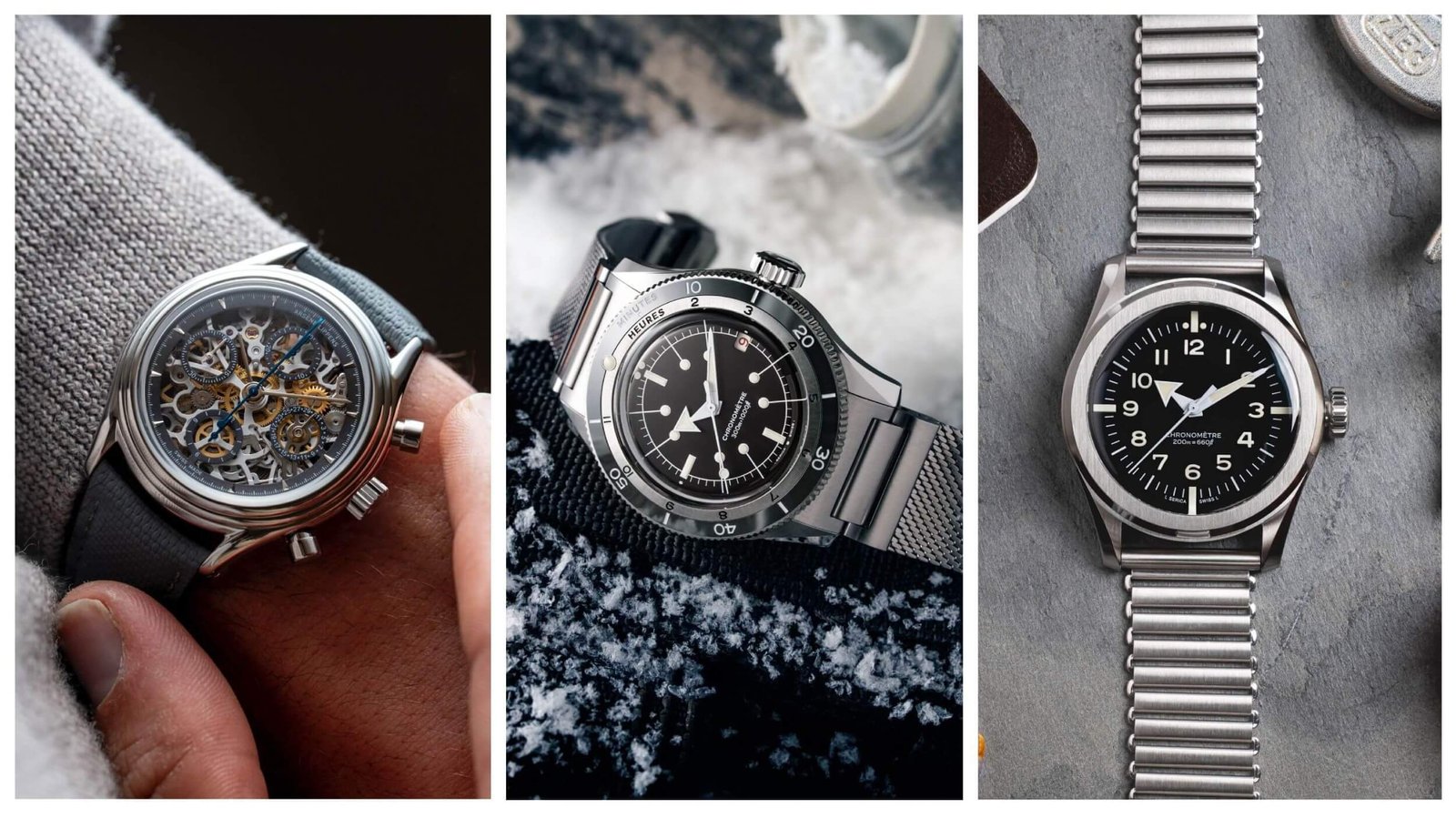
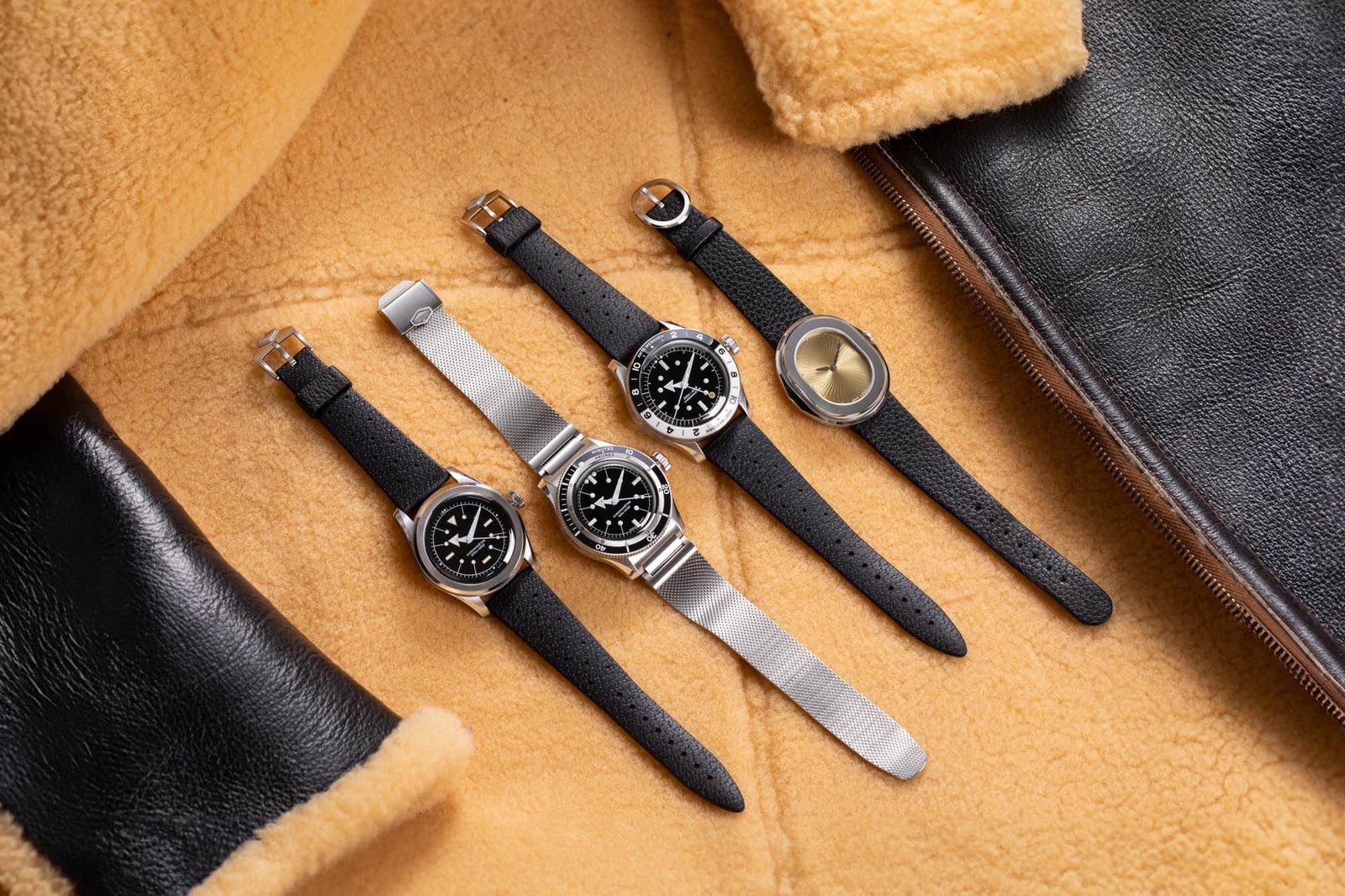
Serica was founded in Paris in 2019 by two French men who were passionate about watches and were previously involved with Les Rhabilleurs - a highly respected French horology publication. Their background in watch journalism and enthusiast culture helped them develop a deep understanding of watch design, vintage tool watches, and the gaps that existed within the modern watch market. From the beginning, Serica was built around the idea of creating mechanical “instruments” inspired by the golden age of utilitarian watches from the mid-20th century, while maintaining a distinctly modern and recognisable design language. The brand’s first release was the military-inspired WWW field watch, followed by the Ref. 5303 dive watch in 2021 and the introduction of the GMT collection in 2022 - each expanding the Serica design language while remaining rooted in the same vintage-inspired philosophy.
Design as identity: How Serica stands apart
When I learn that a watch brand comes from Paris, for me the expectations around design naturally rise. The French have a long‑standing reputation for art, fashion and making beautiful things. Serica not only meets those expectations - they exceed them. Their watches are instantly recognisable, not through loud branding or flamboyant colours, but through a quiet confidence in form and function. The dial, for example, carries very minimal branding. The only reference to the name “Serica” sits discreetly beneath the 6 o’clock marker in tiny lettering, a whisper rather than a shout. It is a bold choice. Serica’s restrained approach feels unusually confident, suggesting that the brand trusts the design itself to do the talking.
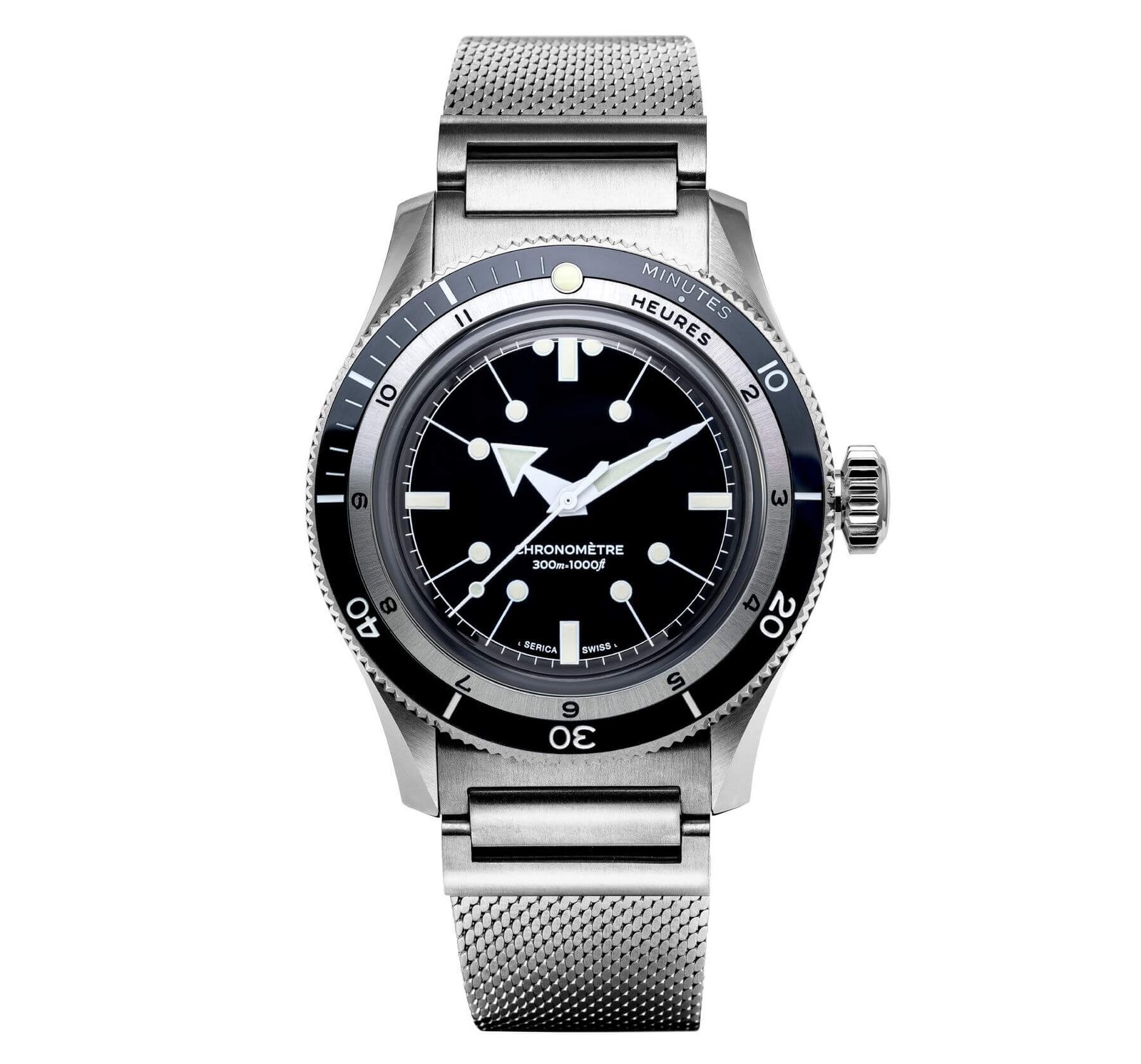
What makes Serica particularly compelling is how little the brand relies on spectacle. There are no heavily textured dials or skeletonised movements or exotic materials designed to grab attention. Instead, Serica focuses on the fundamentals - proportion, typography, symmetry, and subtle detail. Their watches feel timeless because they draw inspiration from the clean, beautiful watches from the 1940s to 1970s. Serica gets proportions right with remarkable consistency: all their dials sit under 40 mm. Their cases flow naturally around the wrist, and their bezels - whether the slightly broad military‑inspired field watch bezel or the split‑layout diver bezel - are both distinctive and beautiful.
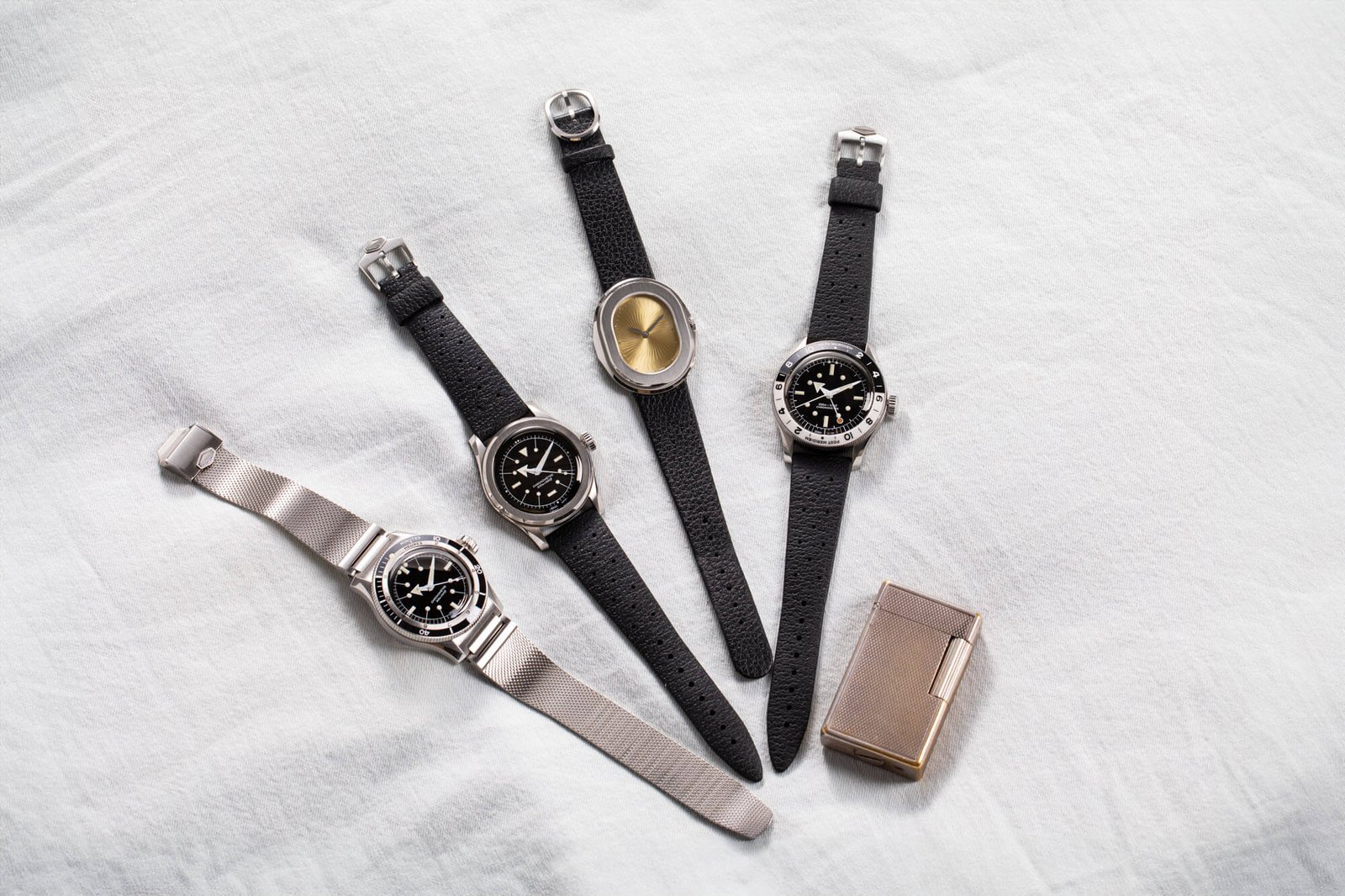
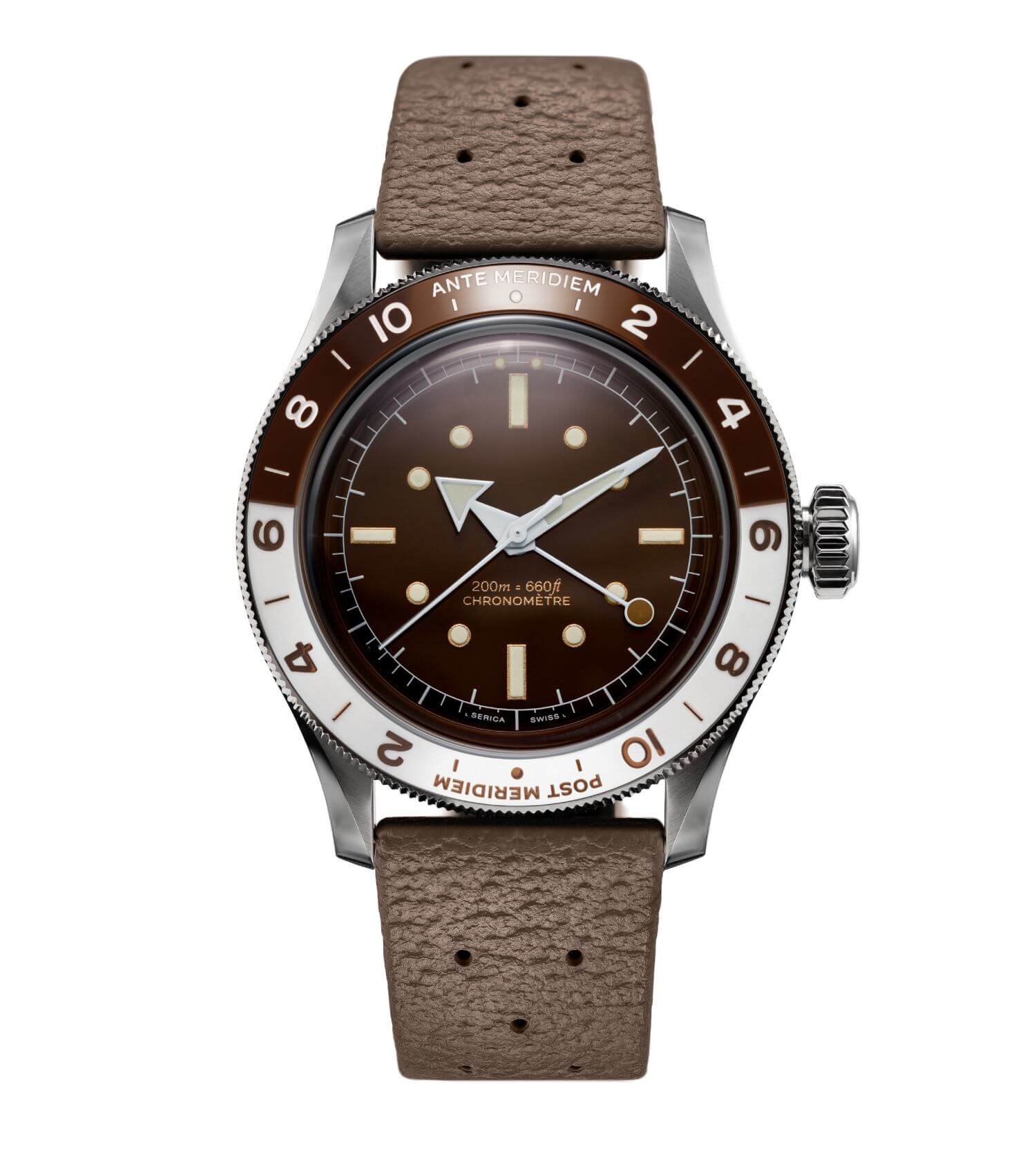
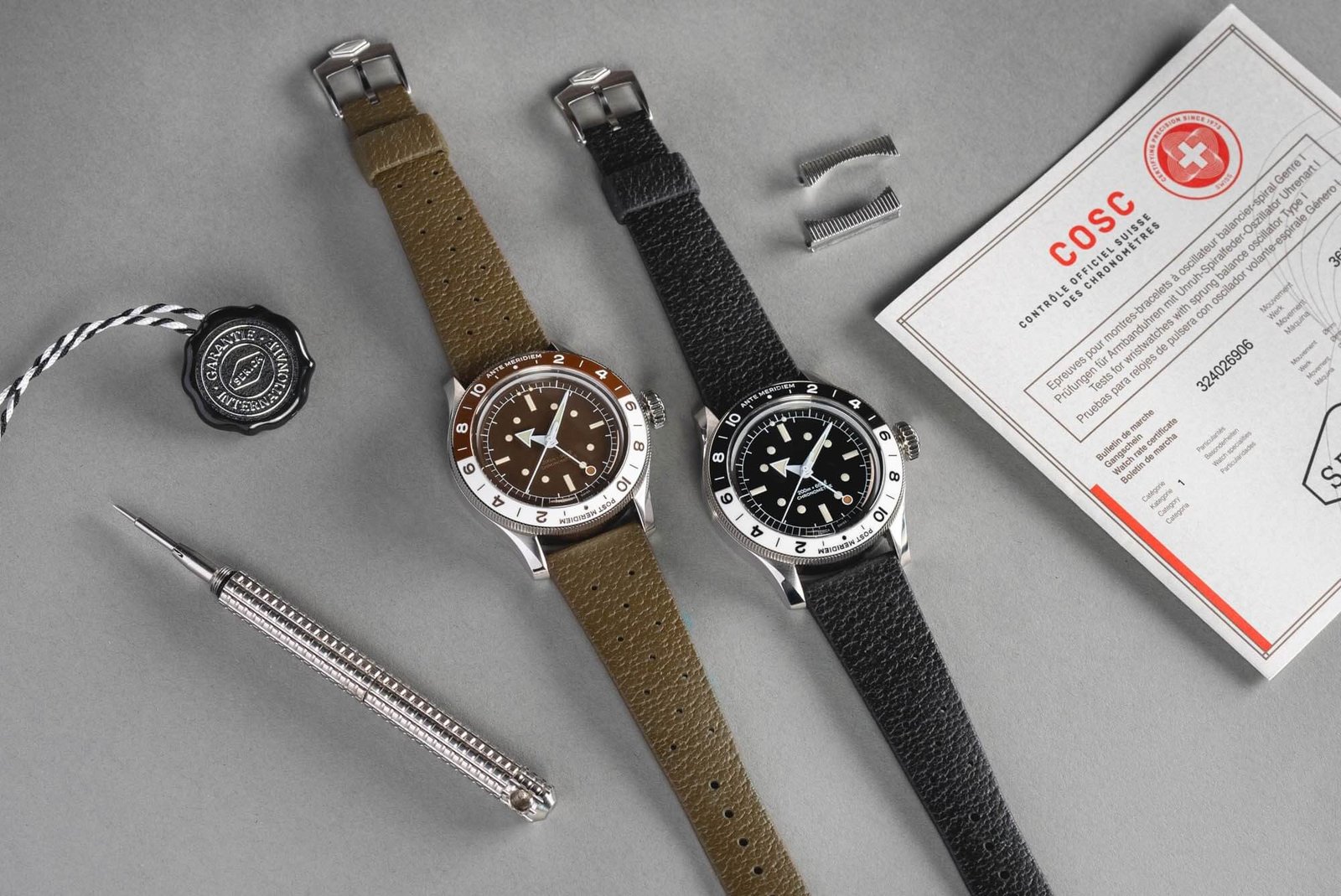
Serica’s design originality often reveals itself in small but meaningful choices. Take the GMT hand, for instance. While most brands default to the familiar arrow‑shaped pointer, Serica opts for a lollipop‑style hand with a coloured tip. It’s a subtle deviation from convention, yet it instantly gives the watch its own identity. The brand’s use of colour follows the same philosophy. You won’t find bright blues or oranges here. Instead, Serica works with black, white, off‑white, and other classic tones that age gracefully. Even their more exotic shades - like the muted “desert red” seen on GMT watches - are handled with restraint, adding character without overwhelming the design.
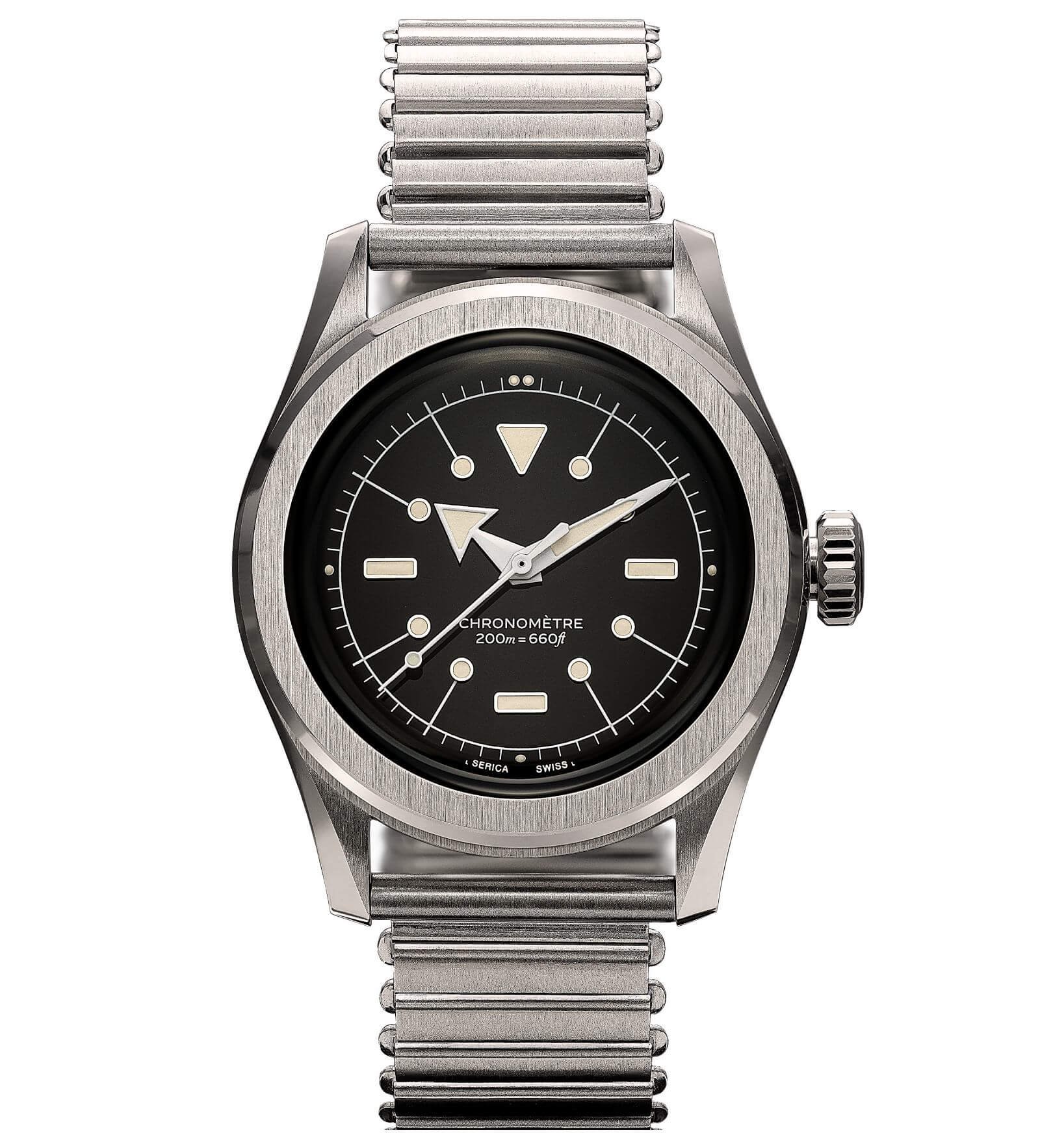
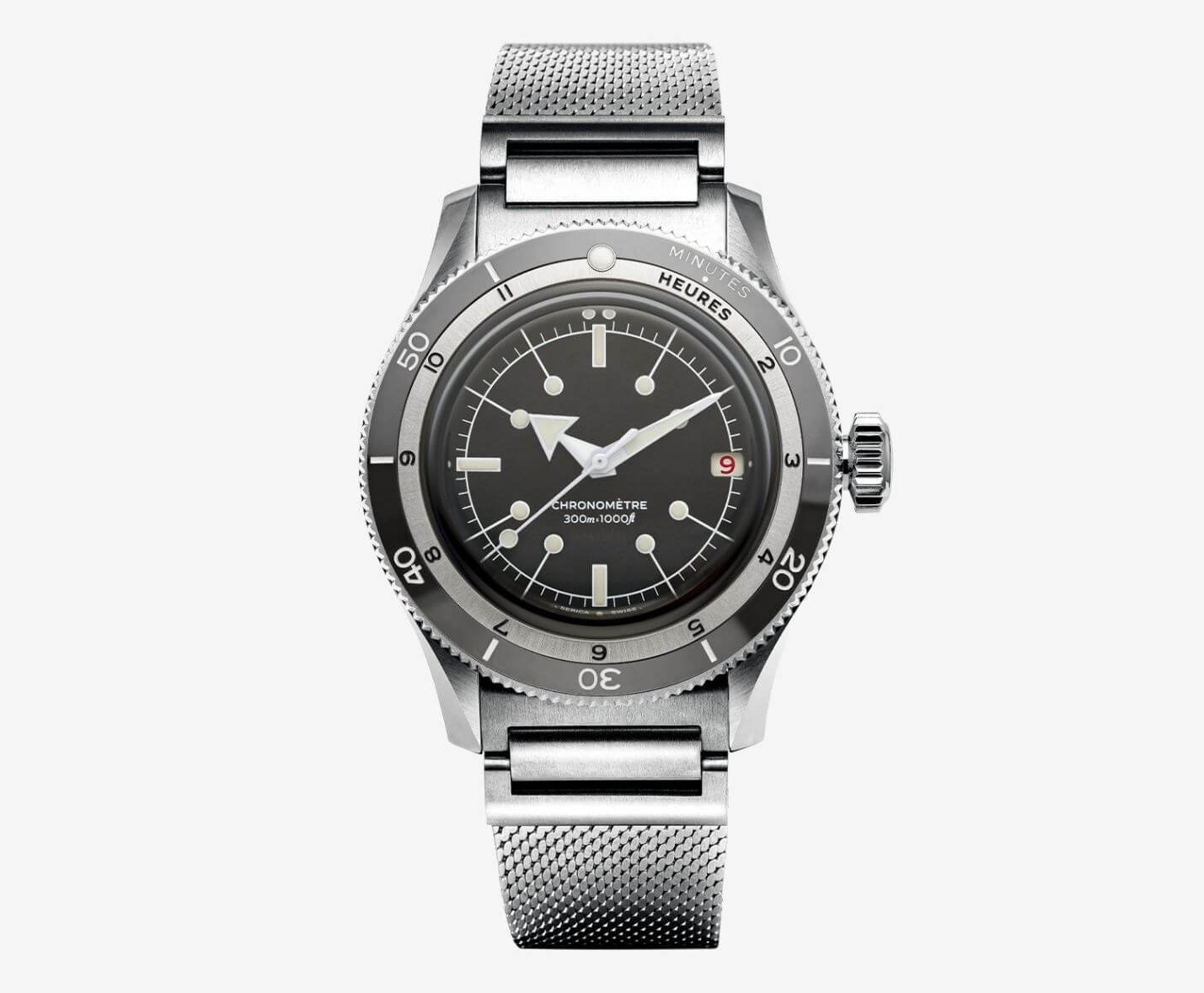
Customization is another thoughtful touch. On many models, Serica allows buyers to choose the crown position either at 3 o’clock or 9 o’clock - it is an uncommon option that shows how the brand considers ergonomics and personal preference. This attention to the wearer extends to their bracelets, which are among the most distinctive in the independent watch world. The Expedition bracelet features a lightweight guilloché‑stamped pattern that feels both vintage and modern. The Bonklip bracelet, revived from its 1920s RAF origins, offers near‑infinite adjustability and a charming historical connection. And the Vesper Mesh bracelet, with its woven steel and articulated links, brings a refined, architectural quality to the wrist.
Serica’s design philosophy is ultimately defined by restraint, intelligence, and authenticity. They don’t appear to chase trends or rely on gimmicks. Instead, they build watches that feel well designed, balanced, and quietly confident - pieces that stand out not because they demand attention, but because they deserve it.
Build quality and COSC certification
Beyond the design itself, Serica also places strong emphasis on mechanical credibility and overall build quality. The brand uses industry-standard materials including 316L stainless steel cases, sapphire crystals, Super-LumiNova and Swiss-made mechanical movements. However, what truly separates Serica from many other independent and microbrand companies is that its professional tool watches - including the field, dive, and GMT models - are COSC certified chronometers. Issued by the Contrôle Officiel Suisse des Chronomètres (COSC), this certification confirms that the movement has successfully passed rigorous Swiss accuracy tests conducted over several days, across multiple positions and temperature conditions, in accordance with ISO standards.
While many independent and microbrands brands use Swiss movements, relatively few go the extra step of obtaining official chronometer certification. In many ways, this is what gives Serica credibility beyond aesthetics alone. Their watches are not simply visually distinctive design objects, but also mechanically regulated to a standard more commonly associated with higher-end Swiss luxury watchmaking.
Collection overview
Exploring Collection - Ref. 6190
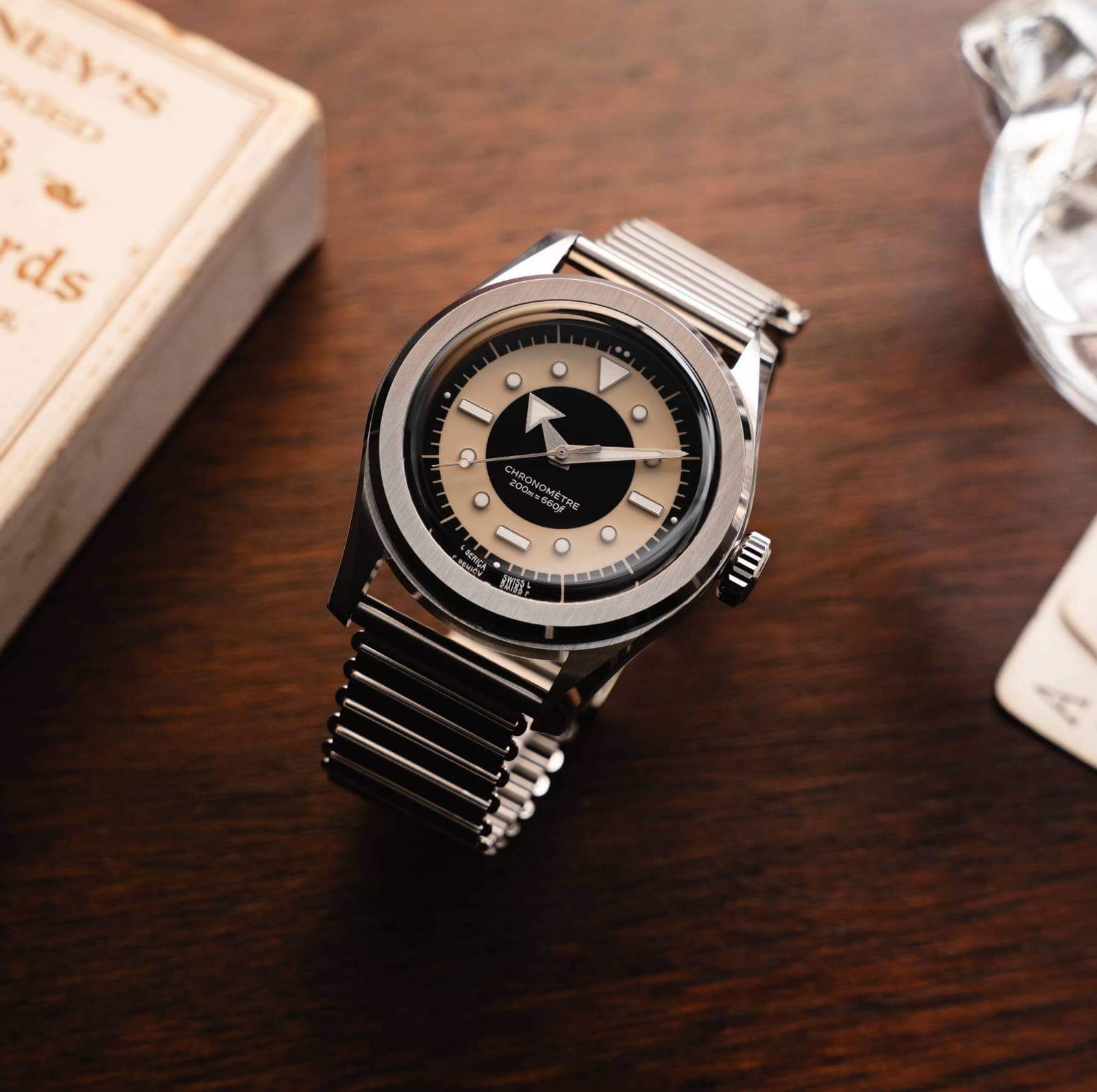
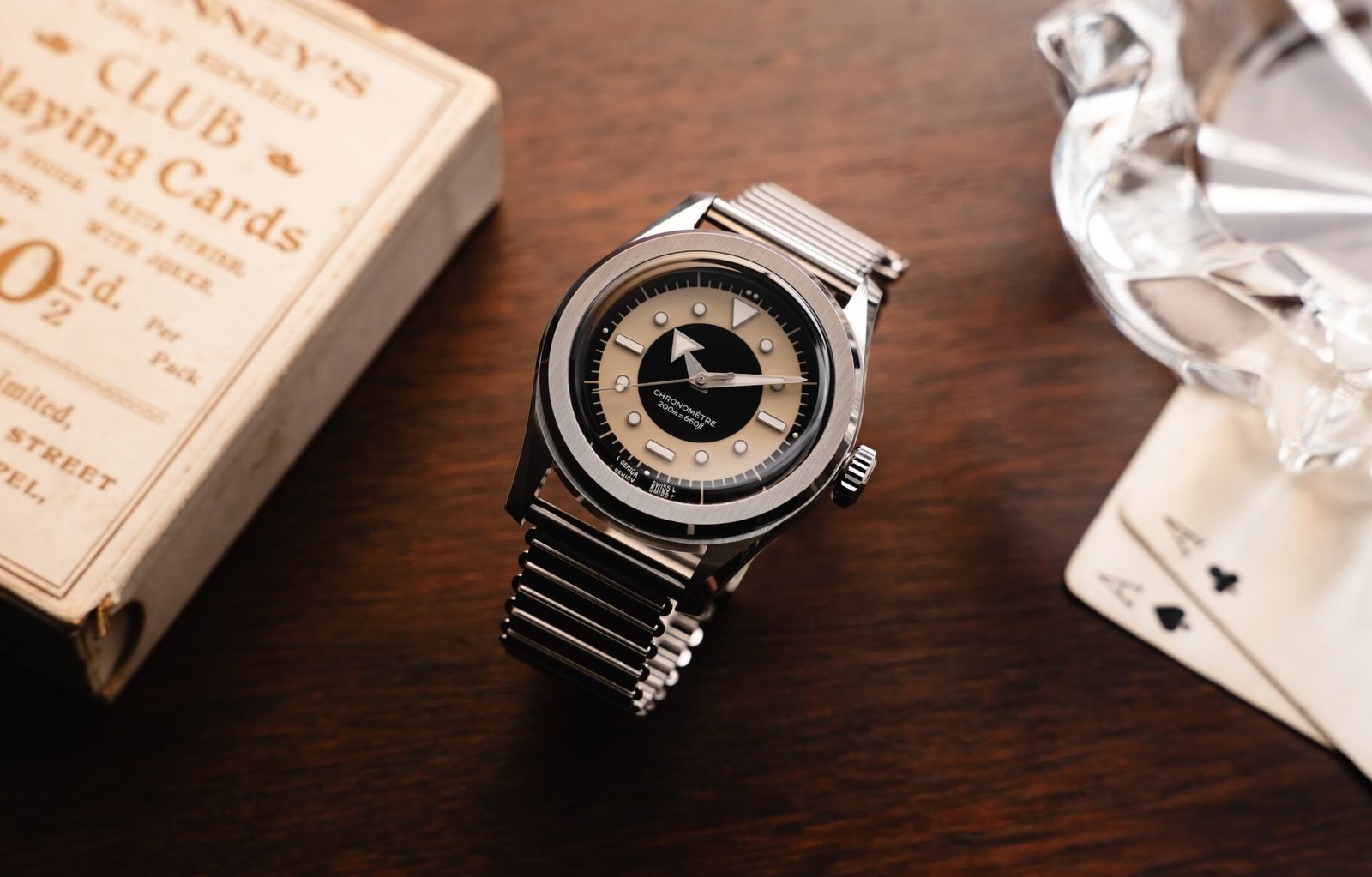
The “Exploring” collection is Serica’s interpretation of the classic field watch. The watches feature restrained proportions and vintage-inspired detailing that give them a timeless character. Interestingly, rather than simply releasing the same watch in different colourways, Serica introduces multiple dial configurations within the collection itself. Variants such as the California dial, full Arabic numeral layout, mixed numeral-and-index configuration, geometric marker version, and the striking black-and-beige“Tuxedo” dial, each giving the watches distinct personalities while still remaining visually cohesive as part of the same collection.
Travelling Collection - Ref. 8315
The GMT collection takes the same vintage inspired Serica design language and adapts it into a more travel-oriented tool watch. The Ref. 8315 features balanced proportions, clean typography, and the distinctive lollipop GMT hand that immediately sets it apart from many conventional GMT watches.
Diving Collection - Ref. 5330 & 5303
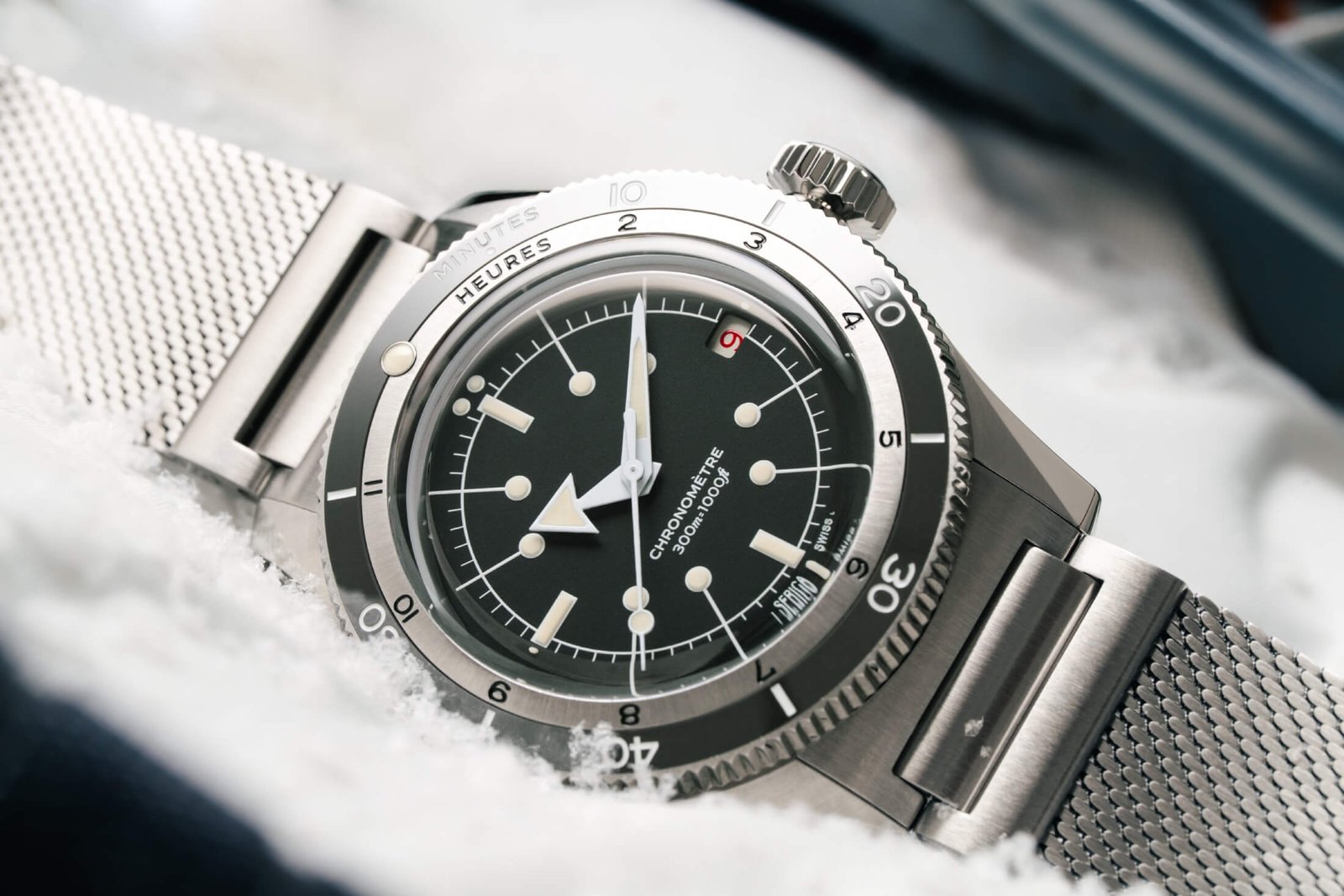
The dive watch is perhaps the most recognisable watch in the Serica lineup. Its most distinctive feature is the split-scale bezel layout, which not only gives the watch a unique appearance but also allows it to track both dive timing and a second time zone. Combined with 300 metres of water resistance, balanced proportions, and restrained dial colours, the watch manages to feel both vintage-inspired and highly modern at the same time. The dive collection is available in both date and no-date variants.
Parade Collection - Ref. 1174
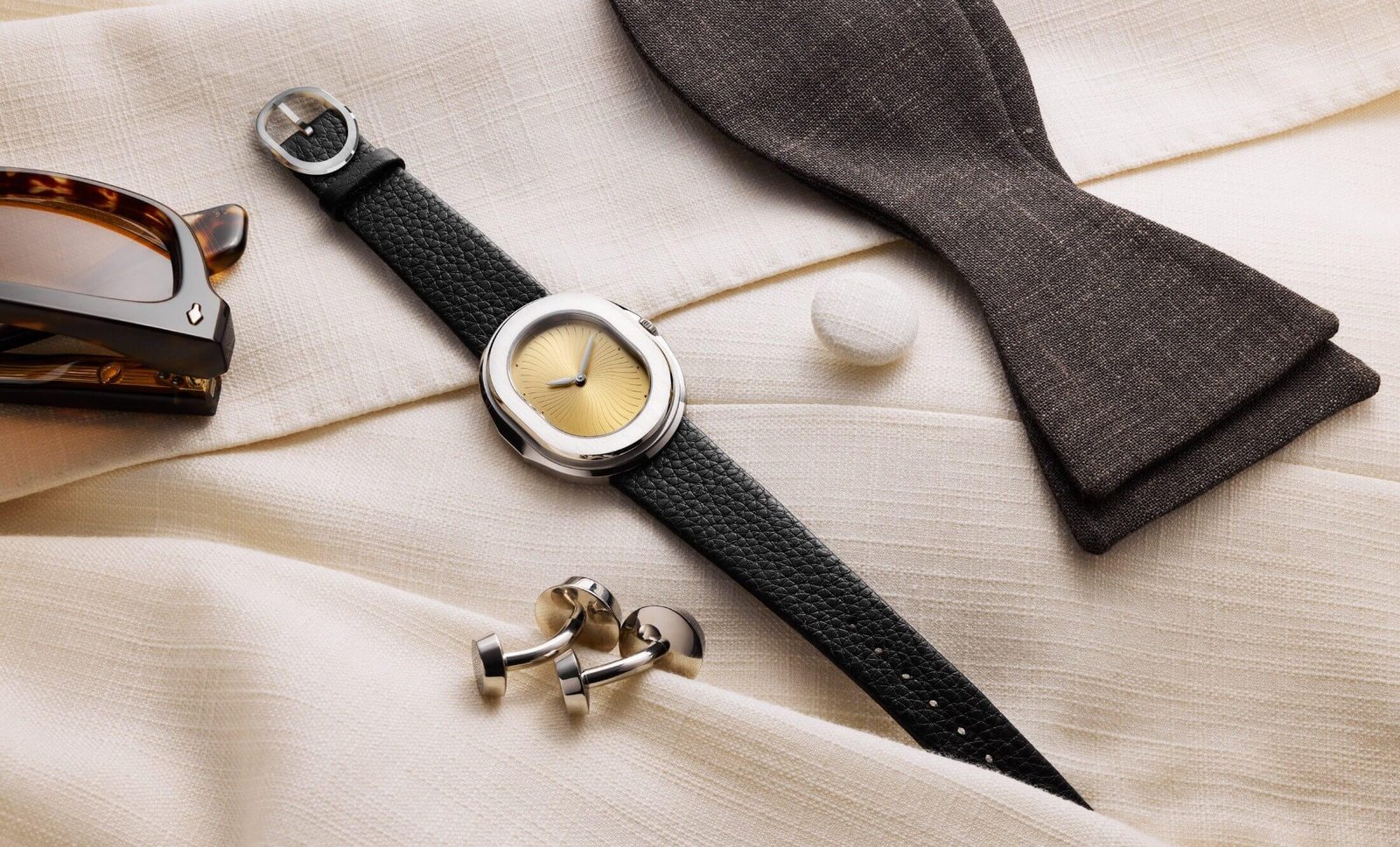
The Parade collection explores a far more minimalist and dress-oriented side of the brand. Featuring a stadium-shaped case and highly restrained dial layouts, the watches feel contemporary and artistic. One of the standout details is the unique radial guilloché pattern composed of flowing curves across the dial surface. With no seconds hand and very minimal dial text, the watches rely heavily on texture, proportions, shape and colour to create visual interest. The collection is available in both guilloché-textured and linen dial variants.
Movements used
Serica uses Swiss-made mechanical movements supplied primarily by Soprod, a Swiss movement manufacturer established in 1966 and now owned by the Festina Group. Soprod movements are also used by several other independent brands, including the popular Nivada Grenchen. While Serica is often recognised for its design language, the use of Swiss mechanical calibres - combined with COSC chronometer certification on many models - gives the watches a level of mechanical credibility beyond aesthetics alone.
Closing Thoughts
In recent years, Serica has established itself as one of the more interesting rising names within the independent watch landscape, largely due to its strong and instantly recognisable design identity. With prices generally ranging from around €900 to €2,000, Serica appears to position itself within the entry-level luxury category rather than the more affordable microbrand segment. While Serica watches are not inexpensive compared to many other design-oriented independent brands, such as Unimatic, their pricing becomes easier to understand when one considers the combination of thoughtful French design, Swiss production, COSC-certified movements, and the brand's strong overall execution and build quality. Ultimately, Serica succeeds because it delivers a distinctive design language with mechanical credibility, precision, and craftsmanship expected from a serious watchmaker.