At TPN, we talk a lot about microbrands and independent watchmakers, but we don’t talk about high-end watchmaking quite as often. And yet, we keep a close eye on these brands too. We quietly admire them for their aesthetic and technical qualities, fully aware that most of them are well beyond our reach. That doesn’t stop us from dreaming a little — or perhaps a lot, considering the prices of the watches I’m about to show you.
This article is going to be all about superlatives because these are simply eight of the watches I admire most in the world. True works of horological art that live rent-free in my head. Marvels of design, mechanics, ingenuity and craftsmanship.
Berneron Quantième Annuel
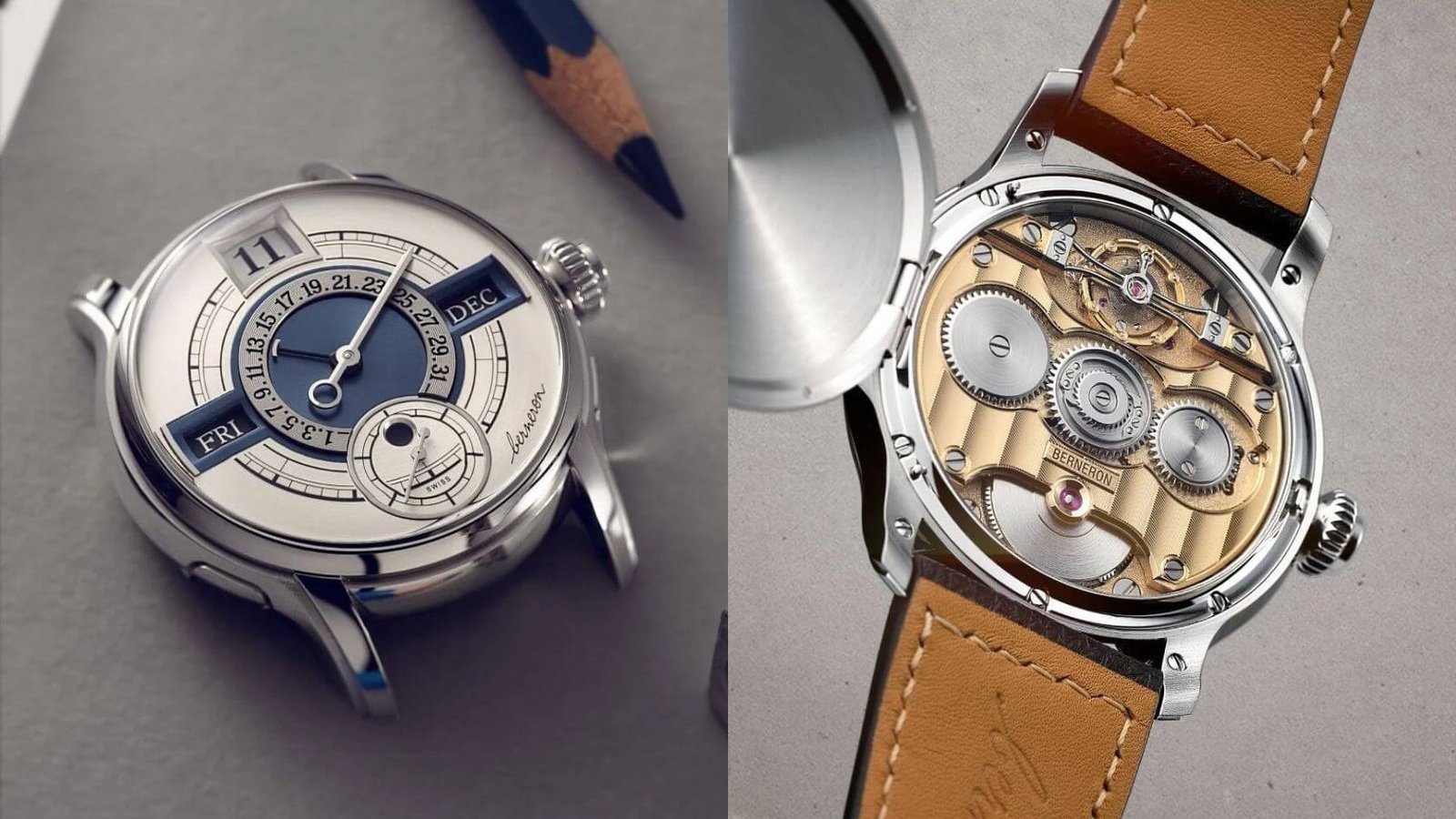
If a genie offered me any watch I wanted — just one — I wouldn’t hesitate for a second: the Berneron Quantième Annuel Silver.
Berneron made a name for itself after winning the Audacity Prize at the GPHG with the Mirage, a time-only watch with a highly unusual asymmetrical shape. Its latest model is almost the exact opposite. The watch is highly complicated, and the dial is organized around a symmetrical layout.
The time is read vertically: a jumping-hour display at 12 o’clock, central minutes and small seconds at 6 o’clock. The calendar is read horizontally: day at 9, retrograde date in the center and month at 3. A day/night indicator is also integrated into the seconds display. The result is a kind of cross, which is also echoed in the architecture of the movement
And although the watch is superbly thought out in every respect, it is the movement that interests me most. Calibre 595 is a compact hand-wound movement made up of 476 components, with 18K gold plates and bridges, a free-sprung balance wheel and a five-day power reserve. It is visible beneath an officer-style case back — very classy indeed — and has an extraordinary degree of visual symmetry.
But Berneron didn’t stop at making it beautiful. The movement is also particularly ingenious.
They developed a distinctive architecture with separate energy-management systems for the timekeeping and calendar functions designed to power the various instantaneous jumps. The brand has also worked extensively on the safety of the mechanism, making incorrect manipulation much harder. The system allows corrections to be made without constantly wondering whether you’re about to massacre the calendar. Berneron itself calls it a “break-proof safety mechanism.”
All that complexity is contained within a case measuring 38 mm in diameter and just 10 mm thick. It’s almost absurd to see this much watchmaking packed into such a compact case.
The case is primarily made of platinum, but incorporates six individually replaceable steel components. Platinum is relatively soft and scratches easily, so the most exposed areas — particularly around the lugs — are protected by these steel elements. More importantly, each one can be replaced individually if damaged.
For me, this is a perfect watch. A flawless execution. Mesmerizing aesthetic, an exceptionally legible dial, jumping indications everywhere you look and an astonishing mechanical achievement. I told you this article would be full of superlatives…
Its only drawbacks are the price and its rarity — or rather, how difficult it is to obtain. At CHF 140,000 excluding VAT in 2026, it’s definitely dream territory.
Niton Prima
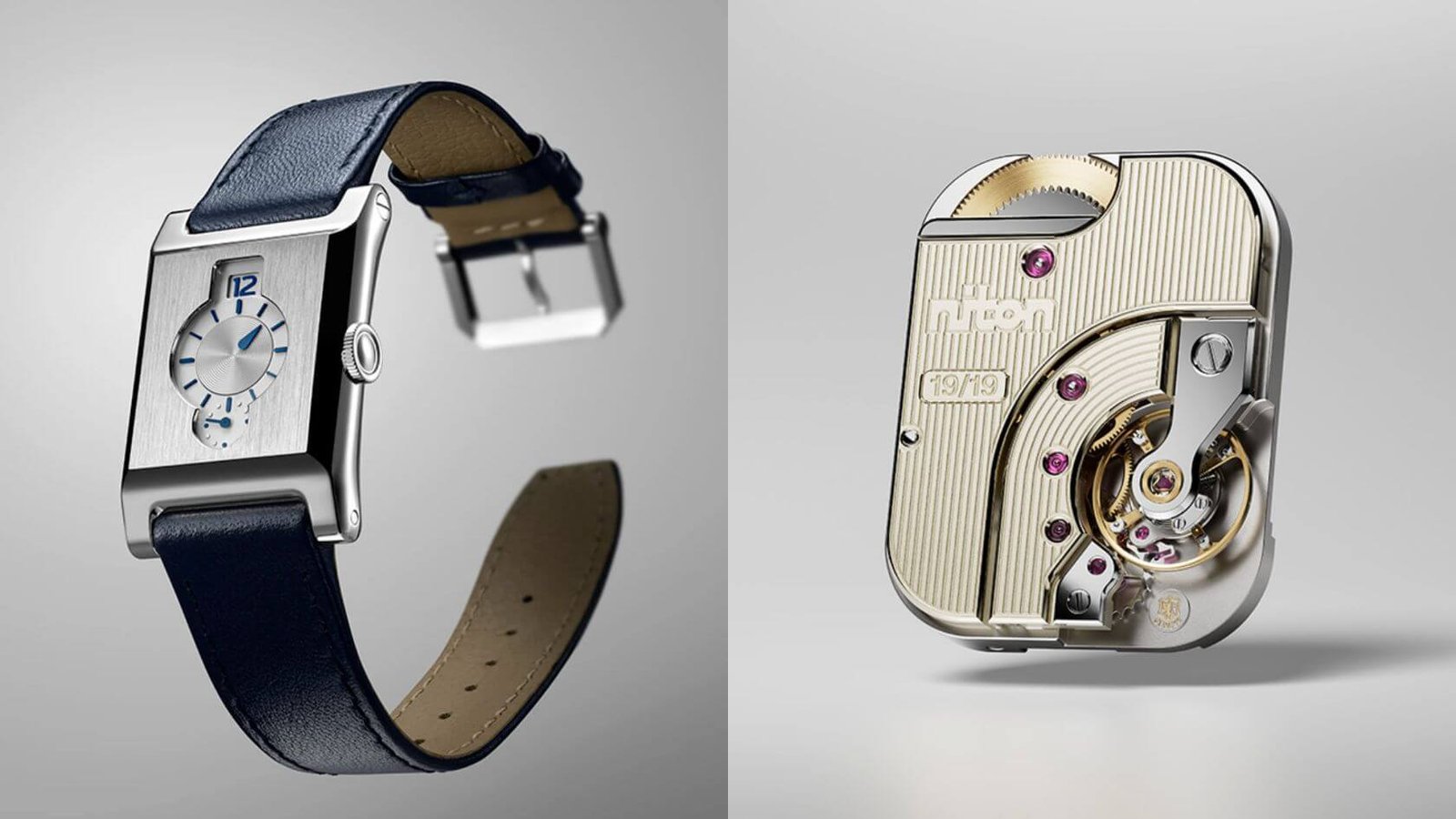
If you are bored of Cartier, this watch might interest you. Niton is a revived Geneva watchmaking name dating back to 1919. Rather than simply taking an old name and giving it a neo-vintage design, founders Yvan Ketterer and Leopoldo Celi chose to revive a very specific historical idea associated with Niton: the jumping hour.
What emerges is an Art Deco watch whose restraint is matched only by its beauty and elegance. The case measures 27 × 35.5 mm and is just 7.9 mm thick. And although it initially looks like a time-only watch, the Prima actually incorporates two unusual mechanical functions.
First, there is the jumping hour itself: the hour display changes instantaneously at the top of each hour. Each jump also triggers a small hammer that strikes a copper gong integrated into the case. This isn’t a minute repeater: it doesn’t tell you the time, it simply announces the passing of each hour. It’s exactly the kind of completely useless complication that is therefore absolutely indispensable.
Then there’s the stop-to-zero function, which returns the seconds hand to zero when you pull out the crown, allowing you to synchronize the watch much more precisely. It’s a discreet complication, but one that is actually extremely useful.
The watch is powered by the rectangular NHS01 hand-wound movement, developed for Niton with Le Temps Manufacture in Fleurier and assembled in Geneva. Just like the watch itself, it is wonderfully restrained, but also ravishingly decorated in a very… 1970s-inspired style. It’s unexpected, but somehow impeccably in keeping with the overall design.
And that’s not all. The Prima is certified both by the Geneva Seal and as a chronometer according to ISO 3159. Niton therefore claims to be the first independent brand to obtain both from the outset.
That’s not just marketing. The Geneva Seal imposes requirements covering construction, finishing and provenance, while ISO 3159 deals directly with the chronometric performance of the movement. Absolutely remarkable.
But at CHF 47,750 excluding VAT for the platinum version, it won’t be finding its way onto my wrist anytime soon. Then again, we’re here to dream, admire and marvel. Nothing more.
Krayon Anywhere Jean Todt Unique Piece
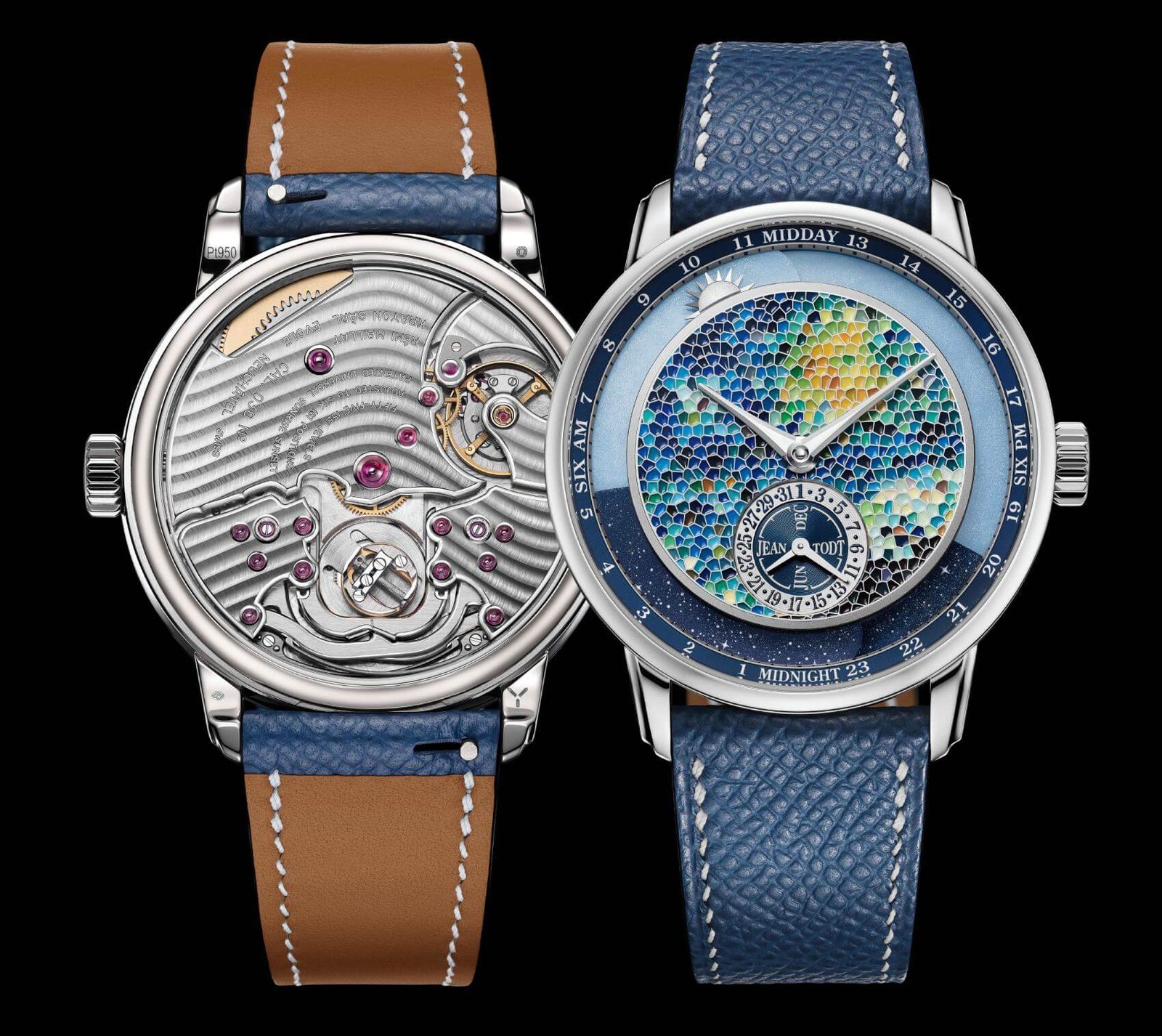
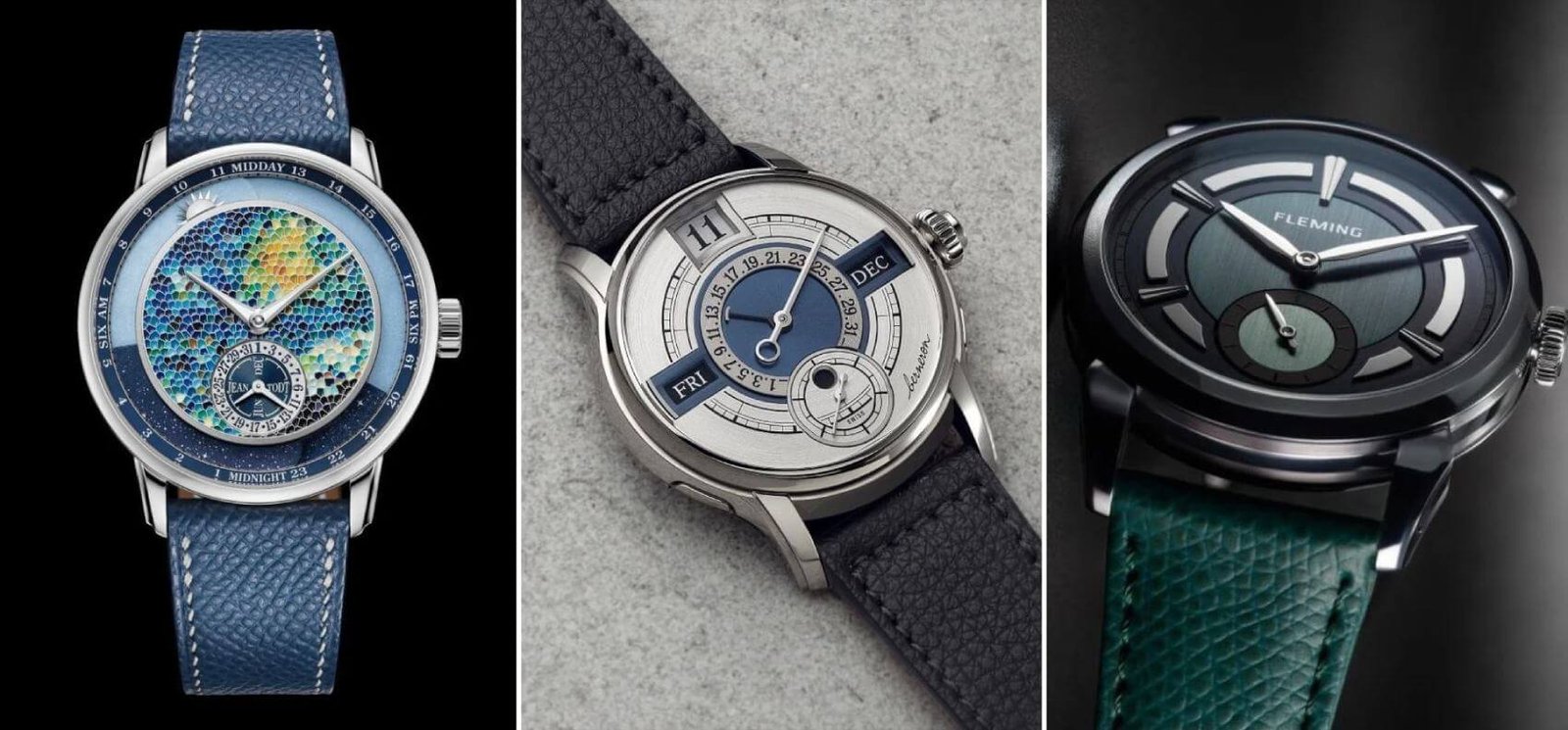
Krayon is unquestionably the most poetic watch in this selection, and this is exactly the kind of thing that speaks to me. Those who know me will know that I have a fascination with astronomical complications. Moonphases, equation of time, and so on. The central complication of the Anywhere — a concept unlike anything else in watchmaking — is its ability to display the exact times of sunrise and sunset for a location chosen by its owner, anywhere on Earth. Kind of a customizable complication. How cool is that?
The boundary between the two zones around the dial indicates the times of sunrise and sunset. Their length changes throughout the year according to the latitude of the programmed location. The sun itself acts as a 24-hour indicator.
It is essentially what Krayon calls a personal mechanical ephemeris that also displays the date and month. And those indications are directly involved in the operation of the solar complication. It makes sense: to know when the sun rises and sets, the movement needs to know where we are in the year. The calendar is therefore intimately connected to the astronomical mechanism. You could almost stop there, but remember: it also tells the time!
If we’re going to dream, let’s dream big and go for a one-of-a-kind version: the Anywhere Jean Todt.
This particular watch features a unique dial. Carved into the metal, a multitude of small cells create a tessellated surface. A Swiss enamel artist then patiently applied each colour by hand in the form of lacquer, layer by layer, until the desired shades emerged. The result is incredibly delicate and perfectly in keeping with the overall theme of the watch as the dial evokes Van Gogh’s famous painting, Starry Night.
The movement is a work of horological artistry in its own right, and I can’t help comparing it to the master of chiaroscuro, Caravaggio. It makes sense — day, night, light, darkness — and it also conveys just how exceptional the level of craftsmanship is here.
Conceived and assembled by Rémi Maillat, watchmaker and founder of Krayon, its 432-component movement measures just 5 mm thick. It is delightfully decorated, “a marriage of pure elegance and technical sophistication,” as Krayon puts it, and I won’t argue with that. Naturally, a large part of the finishing is done by hand.
This kind of complication often comes with a fairly imposing case, but that’s not the case here. The watch measures 39 mm in diameter and just 9.5 mm thick. An absolute masterpiece in my eyes. A singular complication that gives you a completely different relationship with time, combined with a design that…
Am I already running out of superlatives? You get the idea. It’s gorgeous, it’s complex, it’s unique and therefore… very expensive.
Standard models — and I use “standard” very loosely — are around €130,000, while special versions can go considerably higher. Right. Time to wake up.
Fleming Series 1 Mark II: Pacific
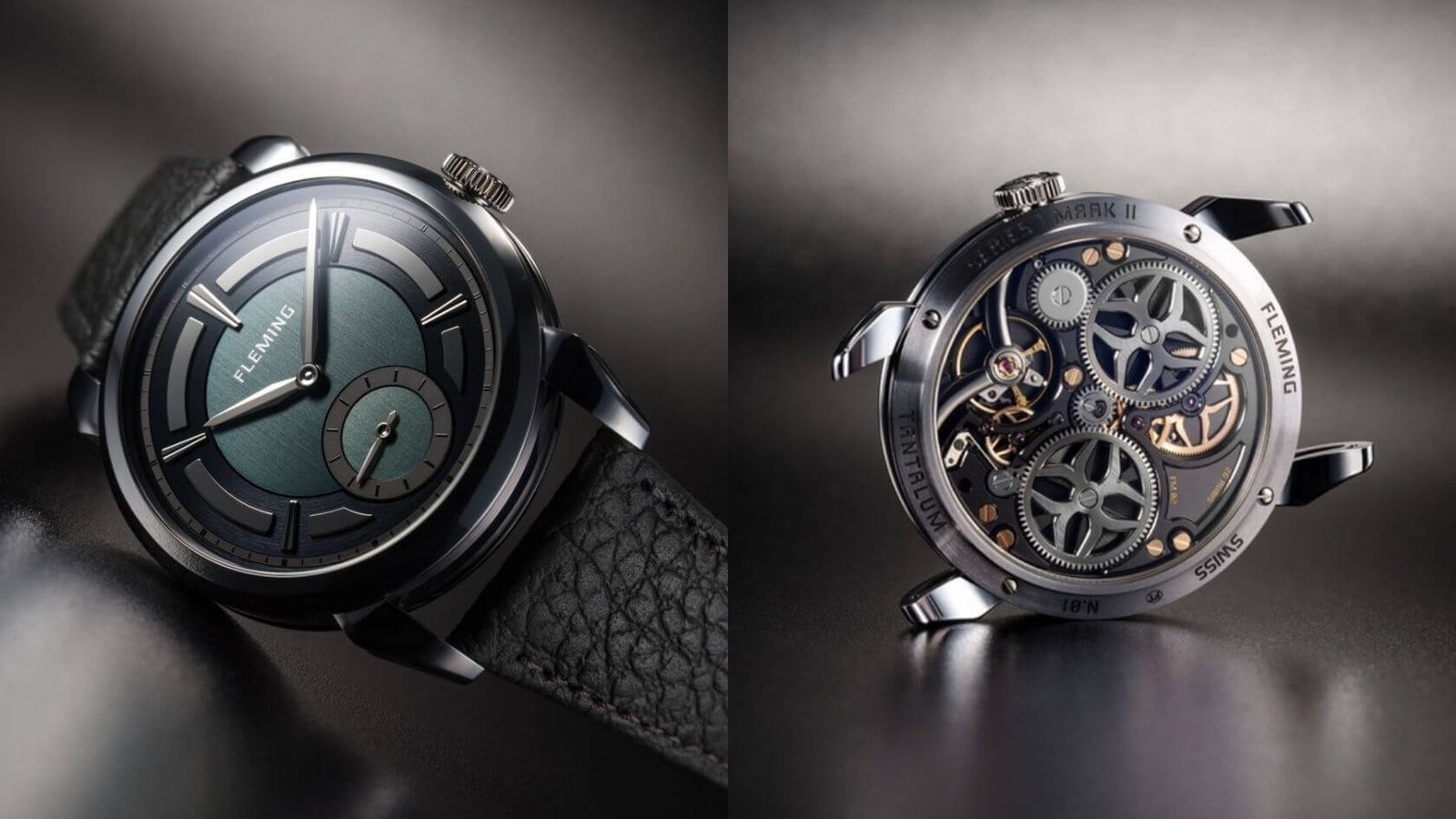
No collection would be complete without a simple, more casual time-only watch. Although “simple” needs a little qualification here. This isn’t exactly a Seiko 5. There are no complications, but there is nothing trivial about its construction.
First, the case is made of tantalum, which isn’t exactly common even in high-end watchmaking. And yes, before getting into watches, I had never heard of this metal either. Anyway. Despite the inherent difficulty of machining tantalum, Fleming manages to give the case and lugs very complex shapes while maintaining remarkably crisp finishing.
But it is the dial that gives the watch most of its charm.
What fascinates me is that it is both simple and complex at the same time. Simple at first glance. There is no inscription other than the brand name, two hands for the hours and minutes, and a small seconds display at 6 o’clock.
But each element of the dial adds a little more depth to the whole. The applied markers, the broad bands surrounding the centre section, the seconds markings and rehaut, the central circle and the sub-dial all contribute texture and genuine visual depth.
The combination of colours is just as subtle: black, grey and that brushed green that shifts towards blue depending on the light. The palette is exquisitely judged, creating a complex dial that remains surprisingly restrained. It’s a real design tour de force, and exactly the kind of thing I am particularly attracted to.
That visual quality naturally extends to the movement, developed in collaboration with Jean-François Mojon. The watch’s resolutely modern aesthetic works extraordinarily well with this almost symmetrical movement, combining black, gold and steel tones.
The finishing is beautifully executed, but what I particularly like is that it doesn’t simply reproduce the traditional aesthetic codes of haute horlogerie with perlage, hand engraving and Geneva stripes. It has its own identity, a highly developed sense of design and, above all, a very strong visual coherence with the rest of the watch.
Basically, I love it. And the best part is that, despite its two large barrels providing seven days of power reserve, the watch measures only 38.5 mm in diameter and 9 mm thick including the domed crystal.
Another piece of exceptionally accomplished watchmaking. We all know the story by now: this obviously isn’t affordable. But I’ll give you the price anyway, for the wealthier among you — or simply the curious: CHF 55,500. There you go. Maybe in another life.
Schwarz Etienne 1902 Synergy by Peter Speake
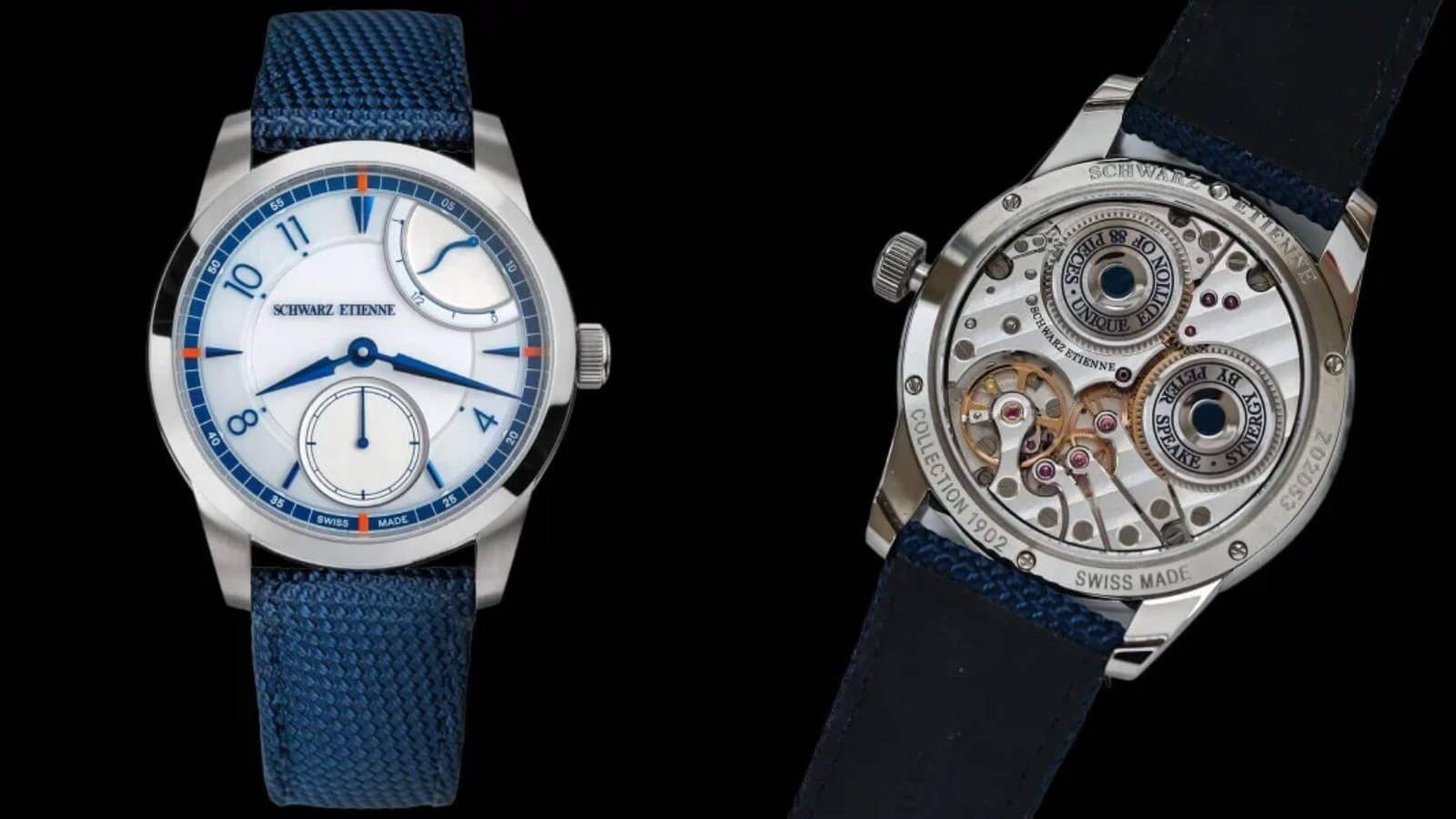
The 1902 Synergy by Peter Speake is a collaboration between independent Swiss watchmaker Schwarz Etienne and British designer Peter Speake, founder of Speake-Marin. So when two of my favourite creators worked together, it was inevitable that one of their watches would end up on this list. I could have included one model from each of them — say, the London Chronograph from Speake-Marin and the Geometry Black from Schwarz Etienne — but they have made my life easier by simply combining the best of both worlds.
It integrates the elegance of the 1902 collection with the touch of madness that characterizes Peter Speake. This creates a watch that is completely unique. It looks like neither of them individually, yet unmistakably like both.
The dial is packed with details that give it a distinctive character. At first glance, you notice the serpentine power-reserve hand at 1:30, the Prussian blue colour and the small touches of orange that inject an incredible amount of energy into the design. That’s Peter Speake’s signature.
Look a little closer and you notice the applied markers and the three-dimensional logo that seems to float above the dial. It is actually embedded in sapphire, which makes that impression of depth very real indeed. We are firmly in the realm of the kind of technical wizardry Schwarz Etienne is known for.
Developed by Schwarz Etienne and inspired by historic pocket-watch movements, calibre MSE 311.00 is a hand-wound movement with a distinctive six-bridge architecture.
It is elegantly decorated, combining traditional decoration with individually hand-polished drops and precision oven-firing to ensure the colour stability of the blue lacquer applied to the ratchet wheels. And it delivers no less than 120 hours of power reserve.
The Grade 5 titanium case isn’t the main attraction, which is probably why this watch doesn’t rank higher on my list. It is nevertheless elegant and, naturally, right in my comfort zone: 39 mm in diameter and 10.90 mm thick.
The price? Not that outrageous, really: CHF 25,500 excluding VAT. That’s only CHF 653 per millimetre of diameter!
H. Moser Endeavour Small Seconds Concept POP Turquoise and deep orange coral
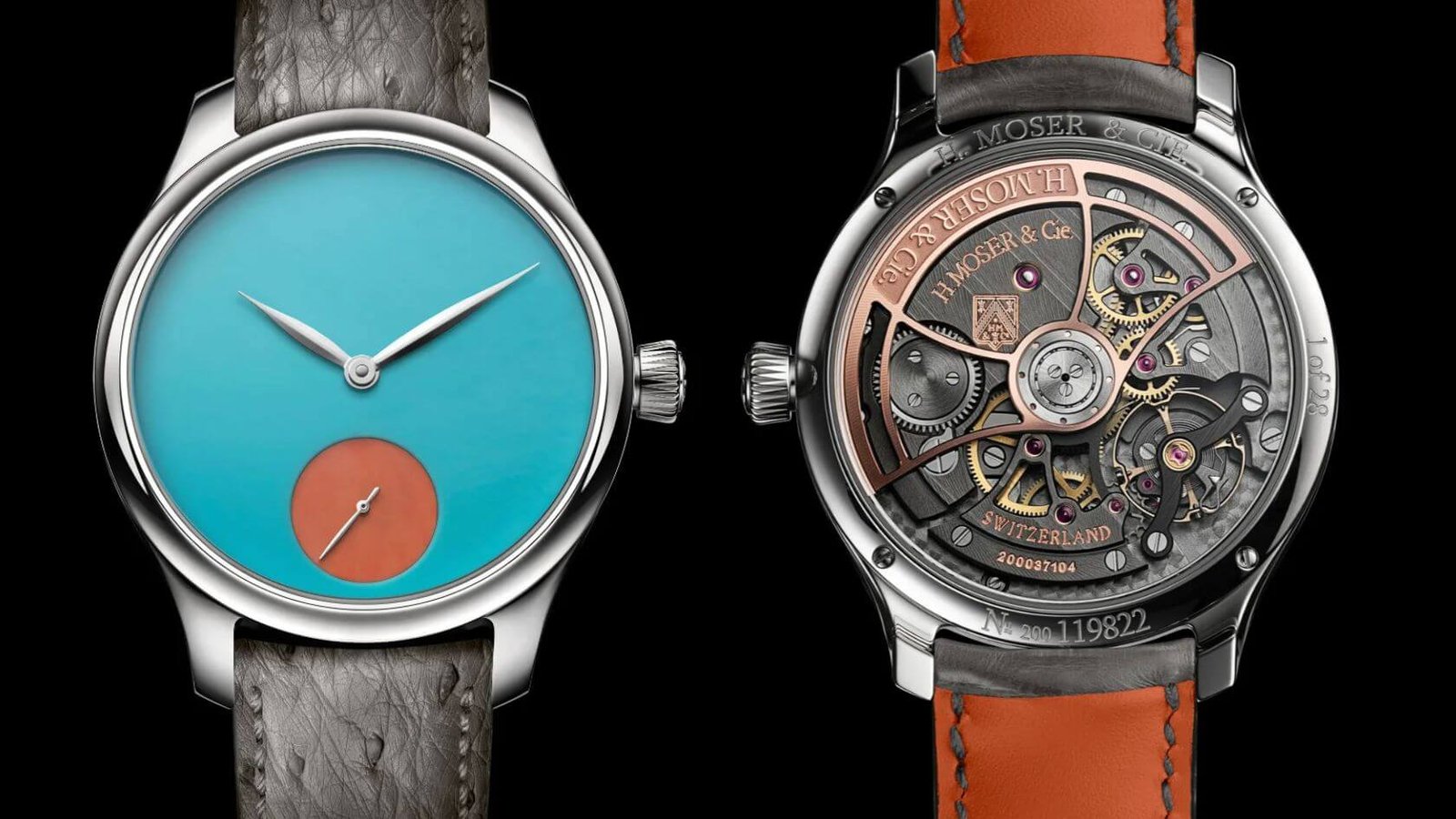
The name of this watch is completely inappropriate. Ten words for three hands and two colours is a lot. I forgive H. Moser & Cie. for this naming faux pas, however, because pretty much everything they make is seriously impressive. But this is the watch that left the biggest impression on me. And yet, before trying it on, it wasn’t particularly high on my list of dream watches. Its charm caught me completely by surprise. I didn’t want to take it off. Where I had previously seen a simple minimalist luxury watch, I suddenly saw one of the purest expressions of watchmaking as an art form I had ever seen. No numerals, no text, no logo, no markers. Just three hands and two colours, perfectly harmonised.
There isn’t much else to say about the dial — except that photographs really don’t do the colours justice — but there are plenty of other details worth appreciating everywhere else.
Take the case, for example. It features a subtle recess along the flanks that gives the watch both elegance and dynamism, a little like the curves of a racing car. At 38 mm in diameter, it should suit a wide range of wrists. But since the watch is limited to 28 pieces, it will technically only suit 28 people! And at CHF 39,000 excluding VAT, I won’t be one of them.
Being H. Moser, the movement isn’t short on details to admire either. The automatic HMC 202 calibre proudly displays its partially skeletonized bridges, anthracite-grey finishing and an 18K solid-gold rotor.
The watch therefore has two faces: one of almost bewildering simplicity, the other of considerable complexity. Some people might see this as a lack of coherence, something that also characterizes the first four watches in this selection. Others will see it as a welcome contrast. Personally, compared with the other watches on this list, I lean slightly towards the former. But like its ridiculously long name, it’s a detail that doesn’t really matter to me. This remains one of my favourites.
Goldpfeil Phases de lune by Frank Jutzi, Réf. GPFJ 1100
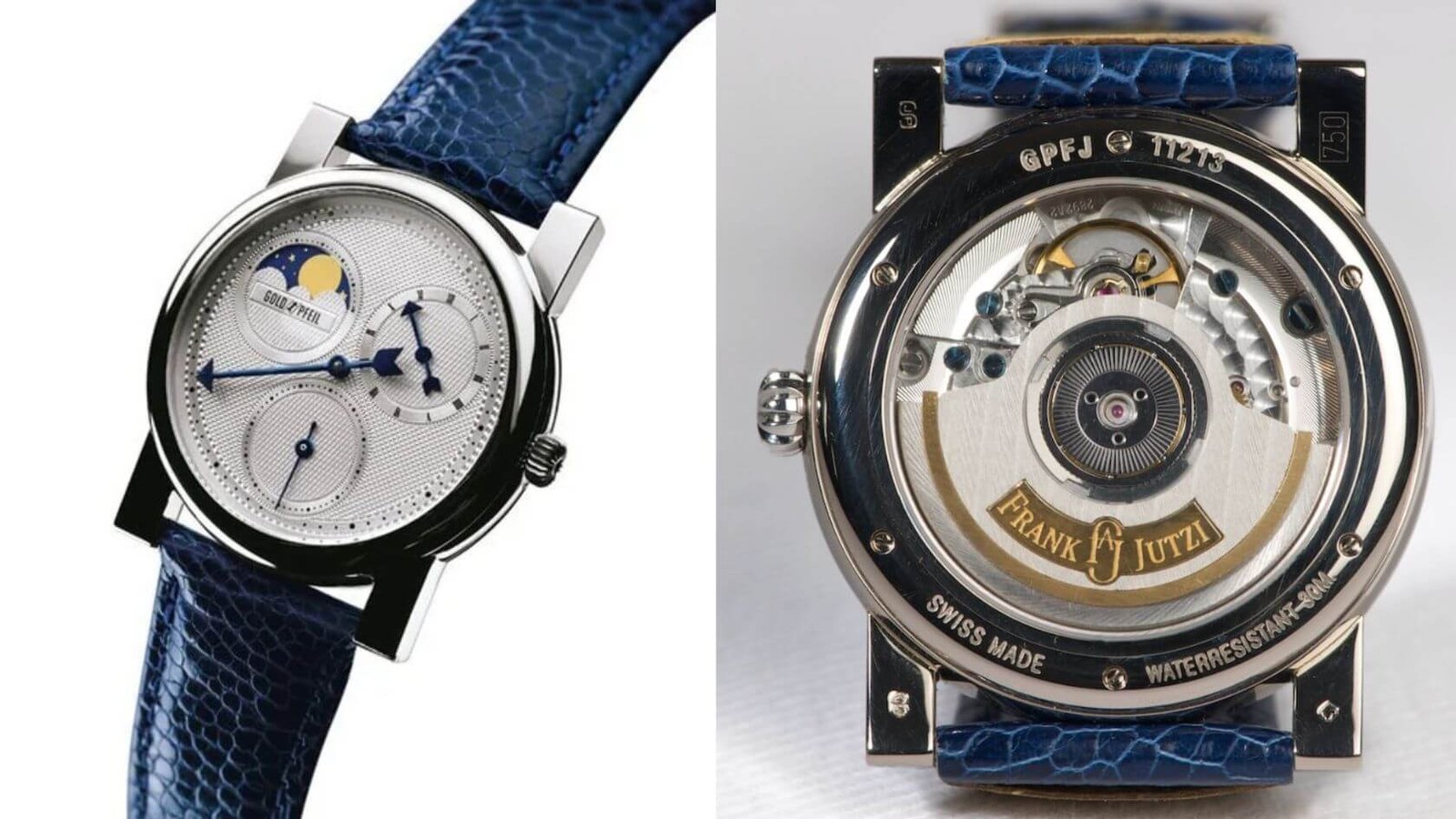
After H. Moser, probably the best-known brand on this list, let’s move on to what is probably the least-known: Frank Jutzi. And yet, he is something of a superstar in independent watchmaking.
This watch is different from the others. No incredibly complex in-house movement. No exotic materials. No extraordinary feats of precision machining. None of that. Not even a ridiculous price. Just a design that resonates with me, combined with an interesting story.
In 2001, German leather-goods company Goldpfeil attempted to make a breakthrough in luxury watchmaking by collaborating with seven elite independent watchmakers from the AHCI, including Frank Jutzi, Felix Baumgartner and Vianney Halter.
The project included seven unique pieces intended for auction and seven limited-edition series, with 100 watches produced for each watchmaker.
Despite a worldwide tour and significant media attention, the Christie’s auction held in Geneva in November 2002 was a commercial failure. The unique Frank Jutzi piece — a white-gold tourbillon — was the only one to find a buyer, selling for CHF 89,625. The other six pieces were returned to the brand.
Although the project may have been too ambitious for its time, it has since become an important chapter in the history of independent watchmaking, helping to put the spotlight on watchmakers who would later become major figures in haute horlogerie. And the watch that interests us here is one of Frank Jutzi’s 100-piece limited editions.
The watch itself? A tiny 36 mm moonphase regulator in white gold. Its solid-silver dial, enhanced by hand-executed guilloché, features blued hands: a central minute hand, an hour hand in the sub-dial at 2 o’clock, seconds at 6 and a moonphase display at 10.
On the mechanical side, the watch is powered by a self-winding calibre based on the reliable ETA 2892-A2, enhanced by modifications patented by Frank Jutzi himself and featuring a rotor set with a gold inlay.
The whole thing is completed by a luxurious hand-stitched blue ostrich-leather strap, secured by an 18K white-gold pin buckle. What more is there to say? Breathtaking, balanced, refined. Almost perfect.
Christiaan van der Klaauw CVDK Planetarium CKPT33N6
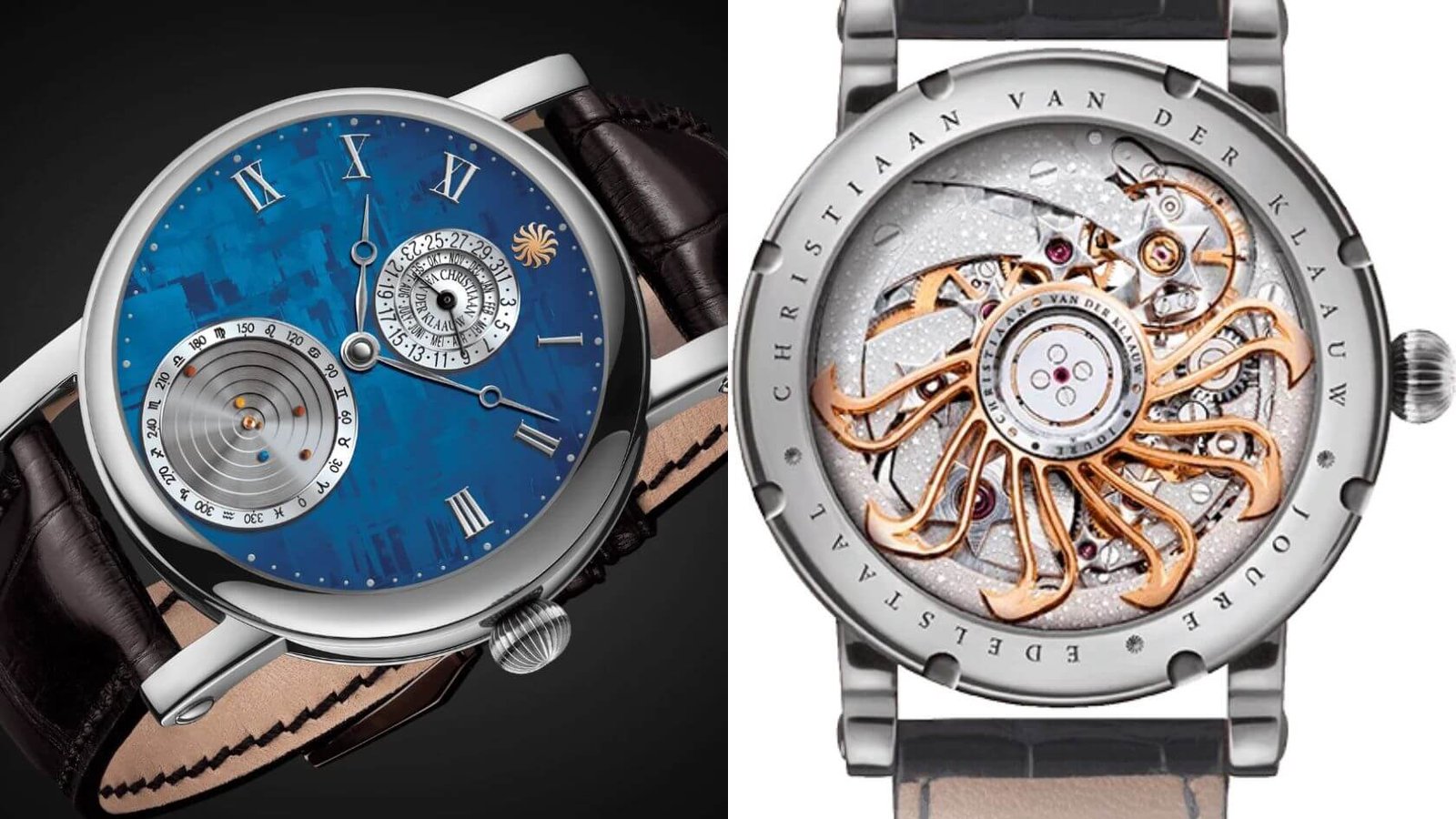
For the final watch on this list, we’re bringing out the heavy artillery. I’m including it not because I particularly want to own it — in fact, not really — but because it fascinates me. As someone who loves astronomical complications, Christiaan van der Klaauw turns the dial up to eleven by offering, in addition to the time, the date, the month and a magnificent meteorite dial, the smallest mechanical planetarium in the world.
It shows in real time the orbits of Mercury, Venus, Earth, Mars, Jupiter and Saturn around the Sun. All of that in a 40 mm case. It’s completely insane.
Mercury takes 87.97 days to orbit the Sun, Venus 224.70 days, Earth 365.24 days, Mars 686.98 days, Jupiter 11.86 years and Saturn 29.46 years. Try to imagine translating all of those figures into a mechanical movement and you’ll get some idea of the complexity involved in Christiaan van der Klaauw’s watches.
And the most attractive thing about it is that the movement of the planets is ultimately almost imperceptible. But you know it’s there. It works silently, tracing the movement of celestial bodies millions of kilometres away.
That’s what I love about this watch, and that’s why it deserves a place on this list, even if it ranks last on my list. There are dozens of watches I find prettier, better proportioned and more in tune with my own tastes. But this one wins the prize for stunning mechanics that exist simply to fuel our fascination.
Because that’s really why we love mechanical watches. Let’s be honest: they are useless. They are outdated. They are obsolete. And that’s precisely part of their charm. The patience and ingenuity required to design them, the work that goes into the materials, the gears and the transmission of energy — all of it, only to be utterly annihilated by a €10 quartz watch.
So what? Art is neither rational nor pragmatic. And that gives me a nice way to conclude this article. It’s a chance to remind ourselves that, on the one hand, we are completely deranged, and on the other, that there is nothing wrong with this fascination. Along the way, these daydreams also teach us to refine our tastes, understand what resonates with us and develop our perception of watchmaking as a whole. And that doesn’t stop me from enjoying a humble collection of my own. On my wrist right now is a watch that costs 47 times less than the Niton Prima. And I couldn’t be happier.