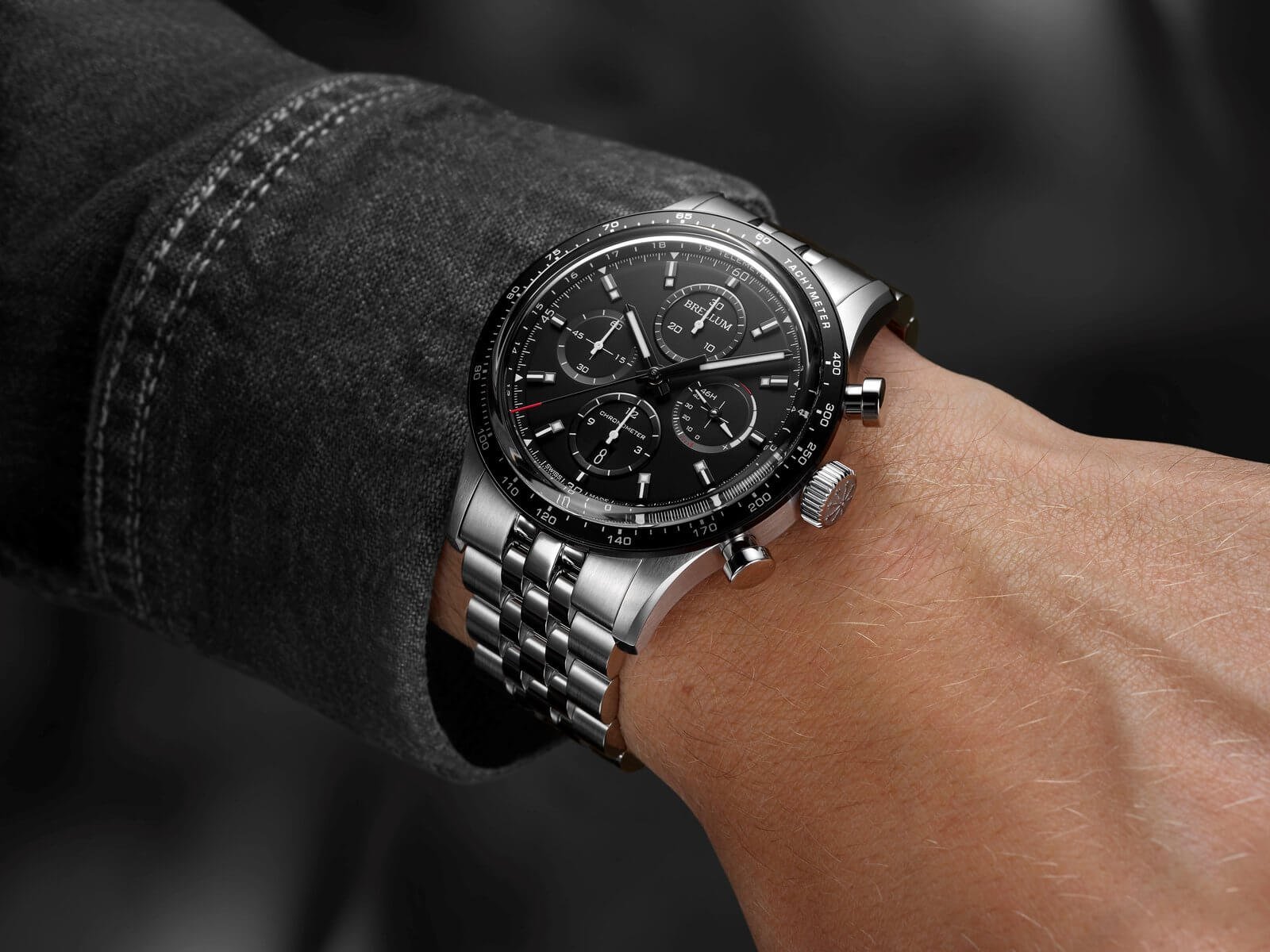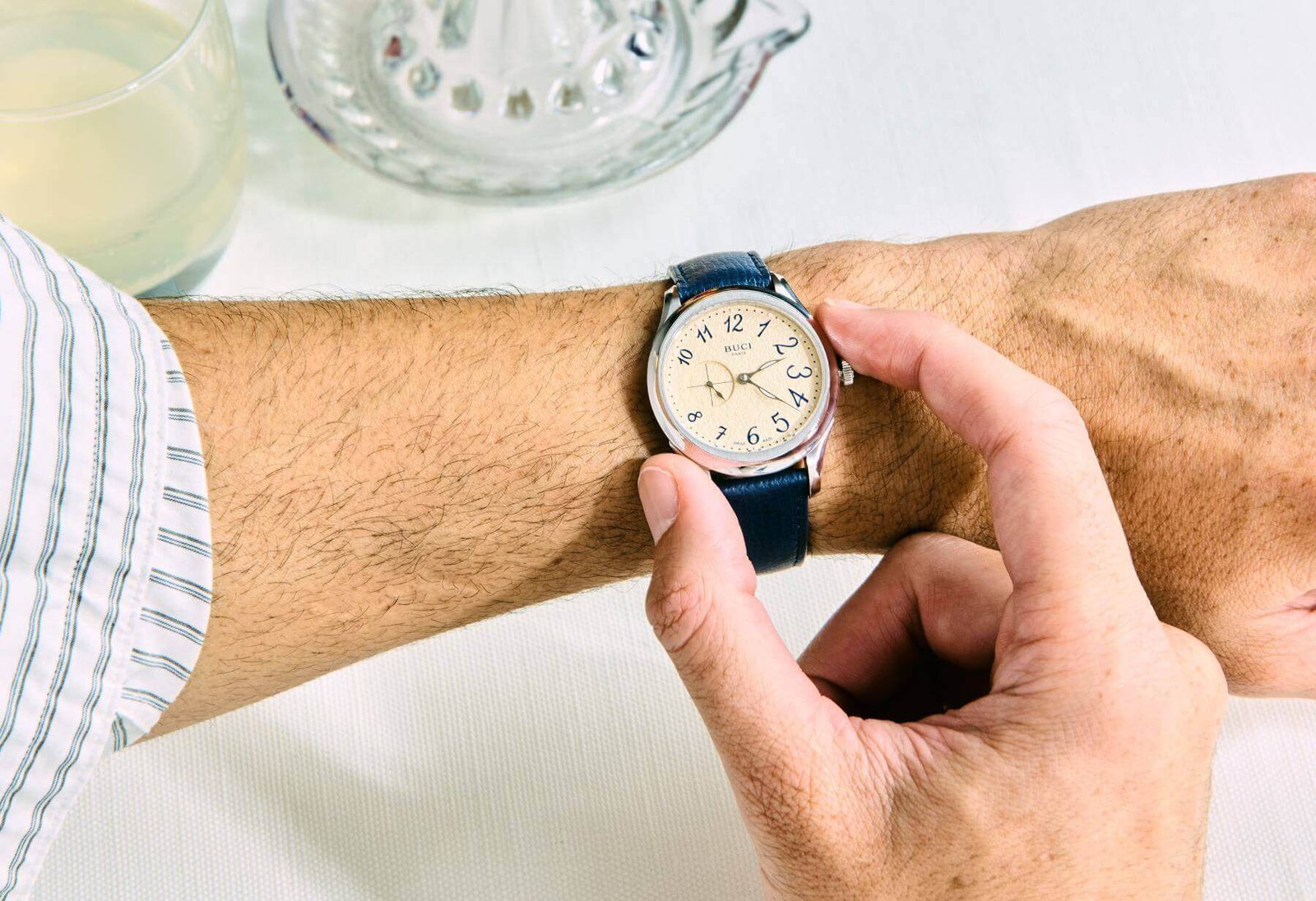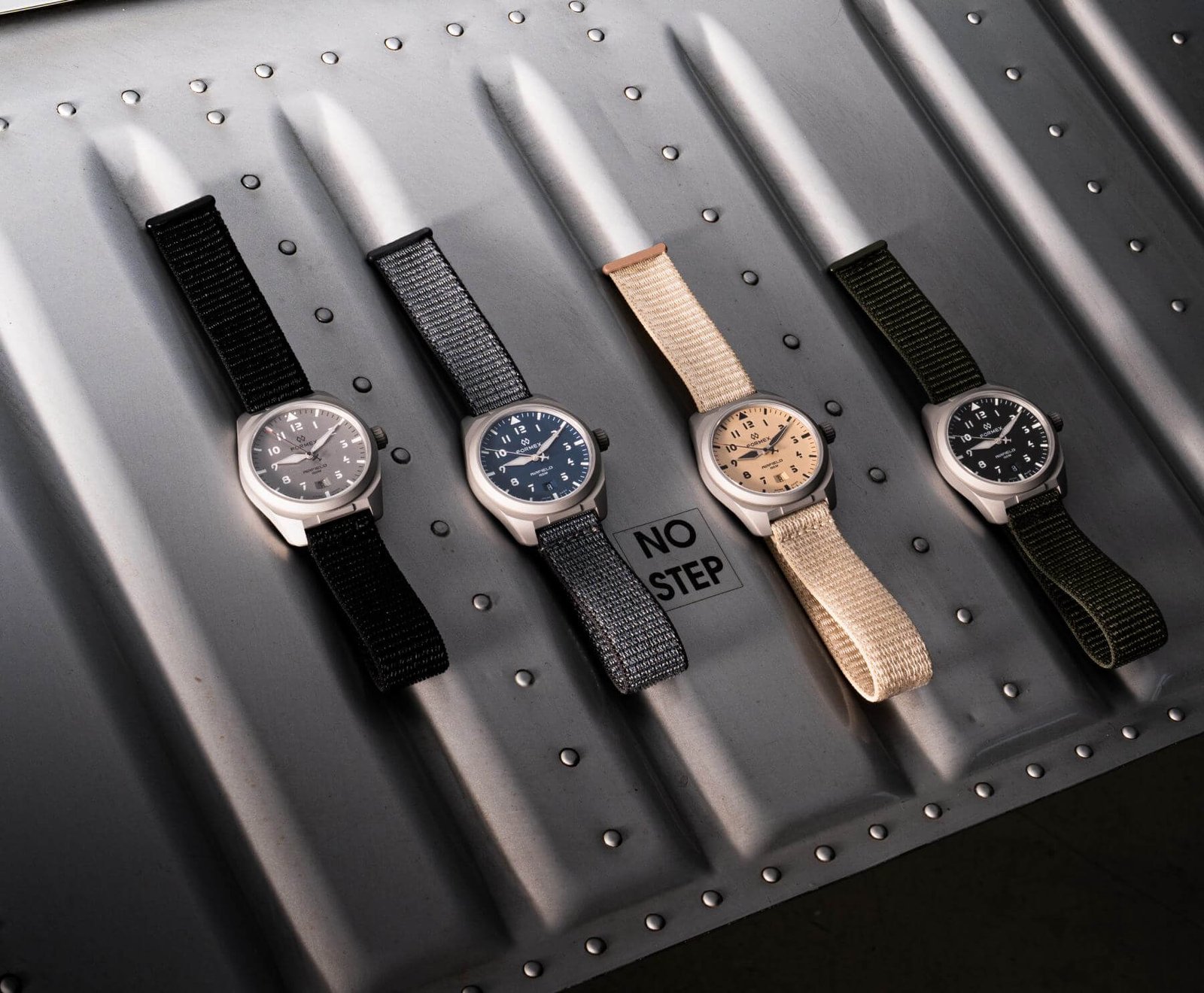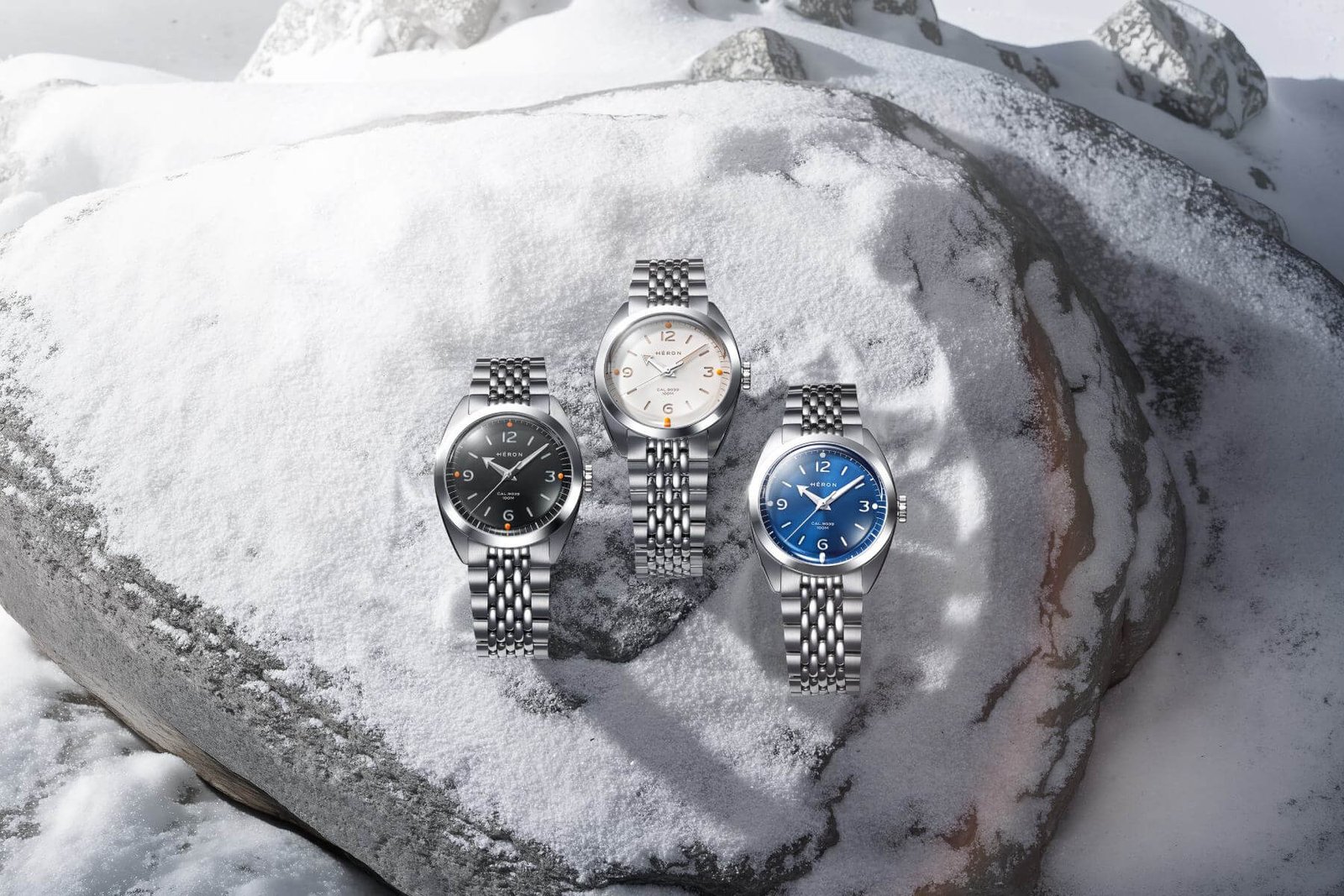
“GADA” is a somewhat controversial term. Some people swear by it, others find it a little too marketing-driven for their taste, and some will happily call you a heretic the moment you try to classify watches using new terminology. My apologies to the last group. As ugly as the word may sound — it personally makes me think of a drooling baby — the term is now firmly established in the watch world, like it or not.
The real problem, however, is that everyone seems to have their own definition of it and a consensus never seems to emerge from the endless online debates that surround the subject. So, to avoid upsetting anyone, let me offer my own definition. And for that, let’s imagine the following perfectly ordinary day:
I get up and swim two kilometres in the sea before putting on a harness and heading off to explore a natural cave. I come home, take a shower, then get dressed casually and head to work at TPN. After lunch with my colleagues at the local food truck, I go home and put on a suit for my cousin’s wedding. They say “I do”, there are photos, a fancy dinner and a DJ set that goes on until 4 a.m. — and that brings the day to an end.
If I can wear the same watch throughout that perfectly normal day without it ever looking out of place, that’s a GADA watch.
So, in my humble opinion, here’s what that means in practical terms:
- A sensible size that fits comfortably under a sleeve
- A steel bracelet
- At least 10 ATM of water resistance
- Sapphire crystal
- A restrained, versatile design
- Excellent legibility
- Solid construction
Ideally, it would also have:
- A screw-down crown
- Plenty of lume
- A scratch-resistant or hardened case and bracelet
- On-the-fly micro-adjustment
- No date
In short, something versatile and highly capable.
For my search for the ultimate GADA under €1,000, I took all these criteria into account and narrowed it down to two watches that I happened to own: the €635 Beaucroft Element 39 and the €608 Traska Commuter 36. Let me tell you right away: this was a very, very close competition.
Fight!
Round 1: Dimensions and Specifications
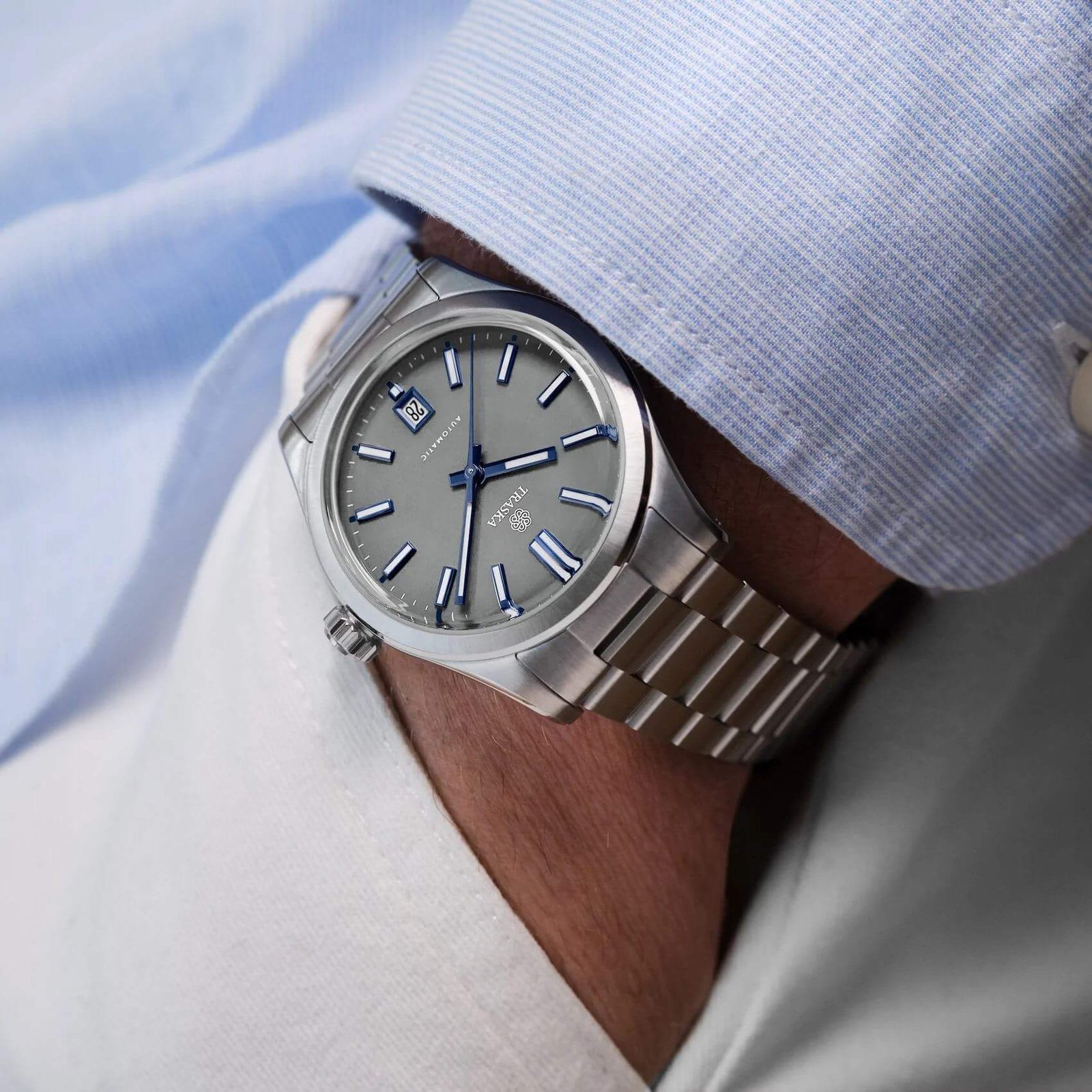
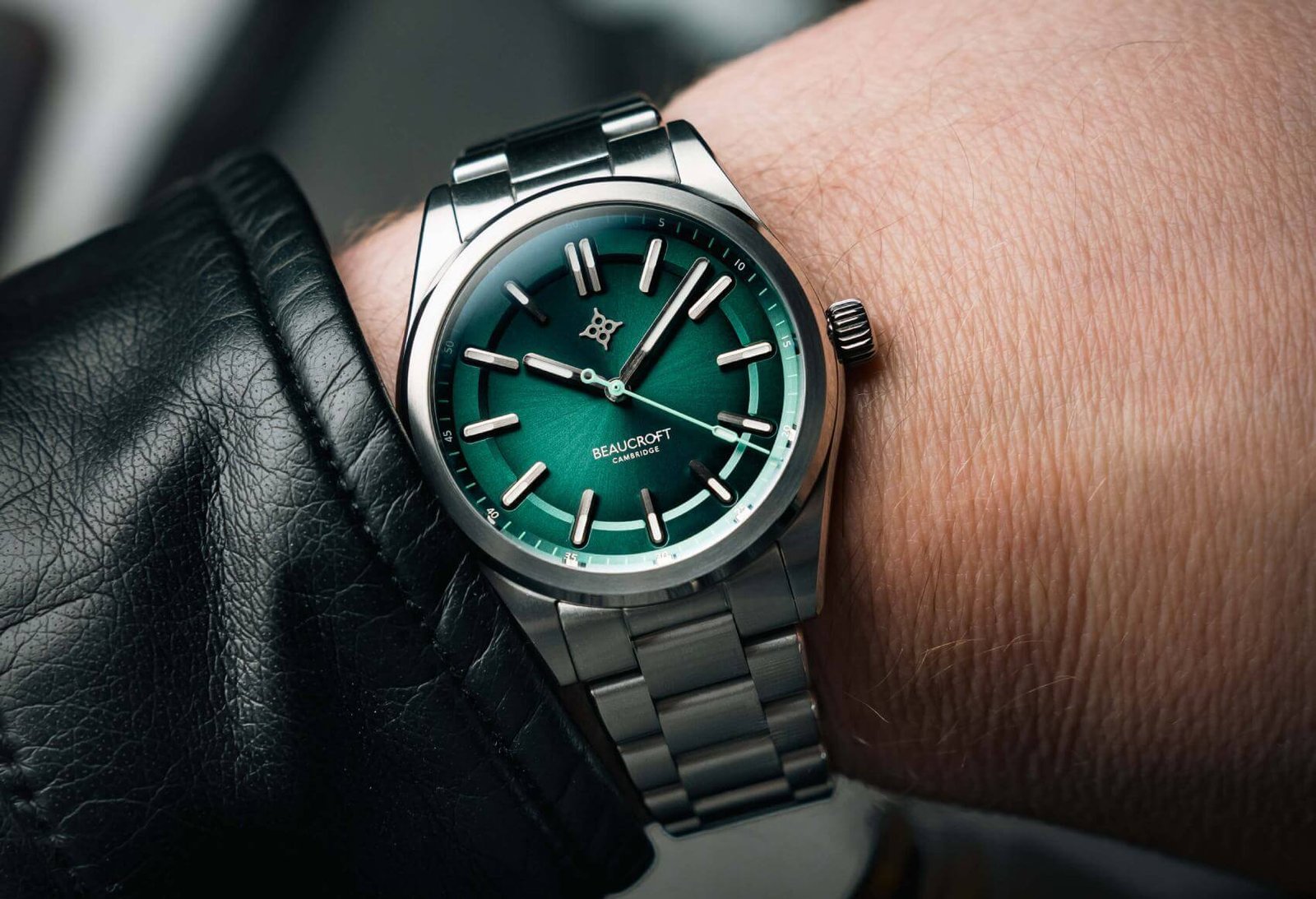
I’m going to sound like a broken record throughout this article, so I might as well warn you now. These two watches have a lot in common, which means that comparing them often comes down to pointing out the small details that set them apart. And before we get into those details, let’s make one thing clear: both watches are simply excellent. They both offer remarkable build quality and are among the most compelling options in this price range.
Diameter isn’t really an evaluation criterion here, but it is worth noting that while the Beaucroft is only available in 39.5mm, the Traska comes in 34.5, 36.5 and 38.5mm. One thing to keep in mind, though: the 34.5mm version does not come with Traska’s tool-free micro-adjusting clasp.
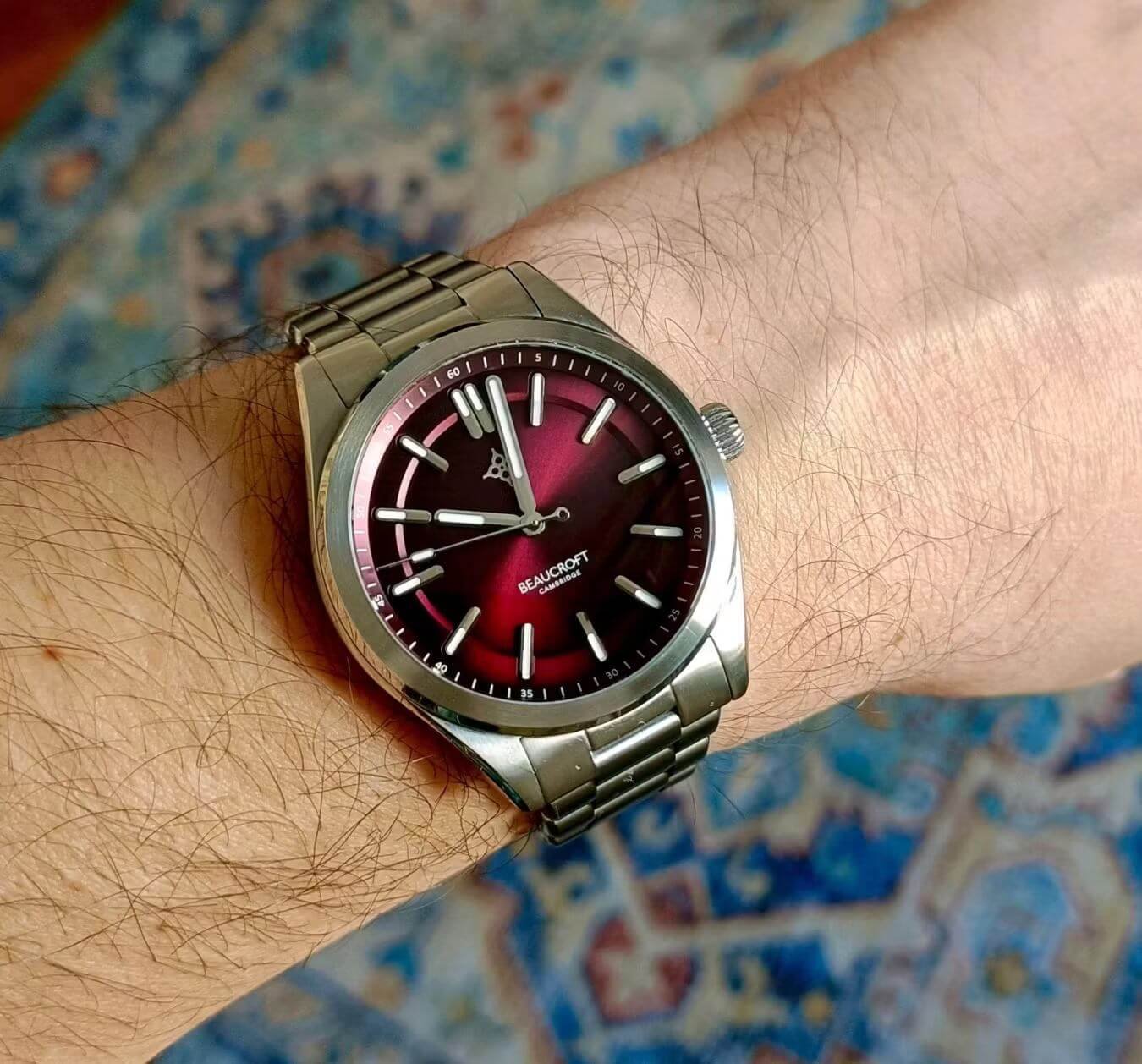
They come in a variety of dial options. Six are available for the Beaucroft (plus a black version with a black case), while the Traska offers four per size, some of which are exclusive to each size. The Traska also gives you the option of choosing whether or not to include a date on the two larger models.
Everyone will have their own preferred size and colours, but the wider range of options gives Traska a slight advantage from the outset.
An advantage it is about to lose, however, thanks to one particular detail. While both watches have screw-down crowns, the Beaucroft offers twice the water resistance, rated at 20 ATM. That’s enough to feel confident wearing it pretty much anywhere.
Beaucroft takes the round!
Round 2: The Case
Both watches feature sapphire crystals and hardened stainless-steel cases and bracelets designed to resist scratches. Traska claims a hardness approaching 1,200 HV, compared with roughly 200 HV for untreated 316L stainless steel, while Beaucroft claims between 1,200 and 1,300 HV. That’s a relatively small difference on paper.
And, frankly, I can’t see any difference at all. After several months with both watches, neither has picked up a scratch. Even the clasp — arguably the most exposed part of the bracelet — has only developed tiny marks that are barely visible to the naked eye. That’s pretty impressive.
I didn’t use to pay much attention to this feature, but I have to admit that there’s something very satisfying about keeping a watch looking almost pristine after months of wear. I’m definitely more interested in scratch-resistant finishes than I used to be.
In any case, this isn’t where we’ll be able to separate the two. The real difference lies in the case construction.
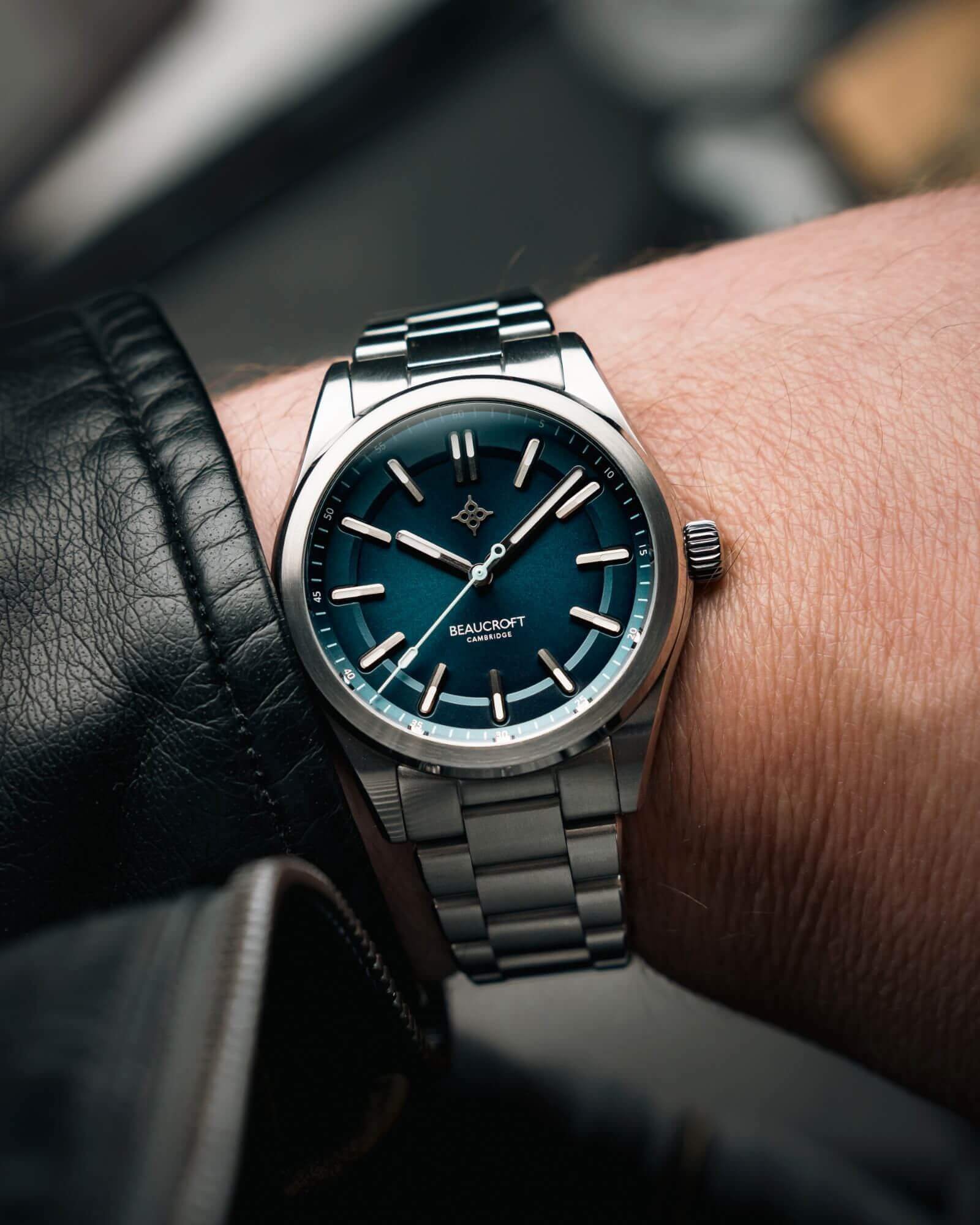
The finishing quality is very similar — and very good — but the Beaucroft’s case is more elaborate. Its caseback is engraved, the sides are sculpted with curved, recessed sections, and the crown sits slightly integrated into the case. All of this gives it a more distinctive personality and a touch more elegance.
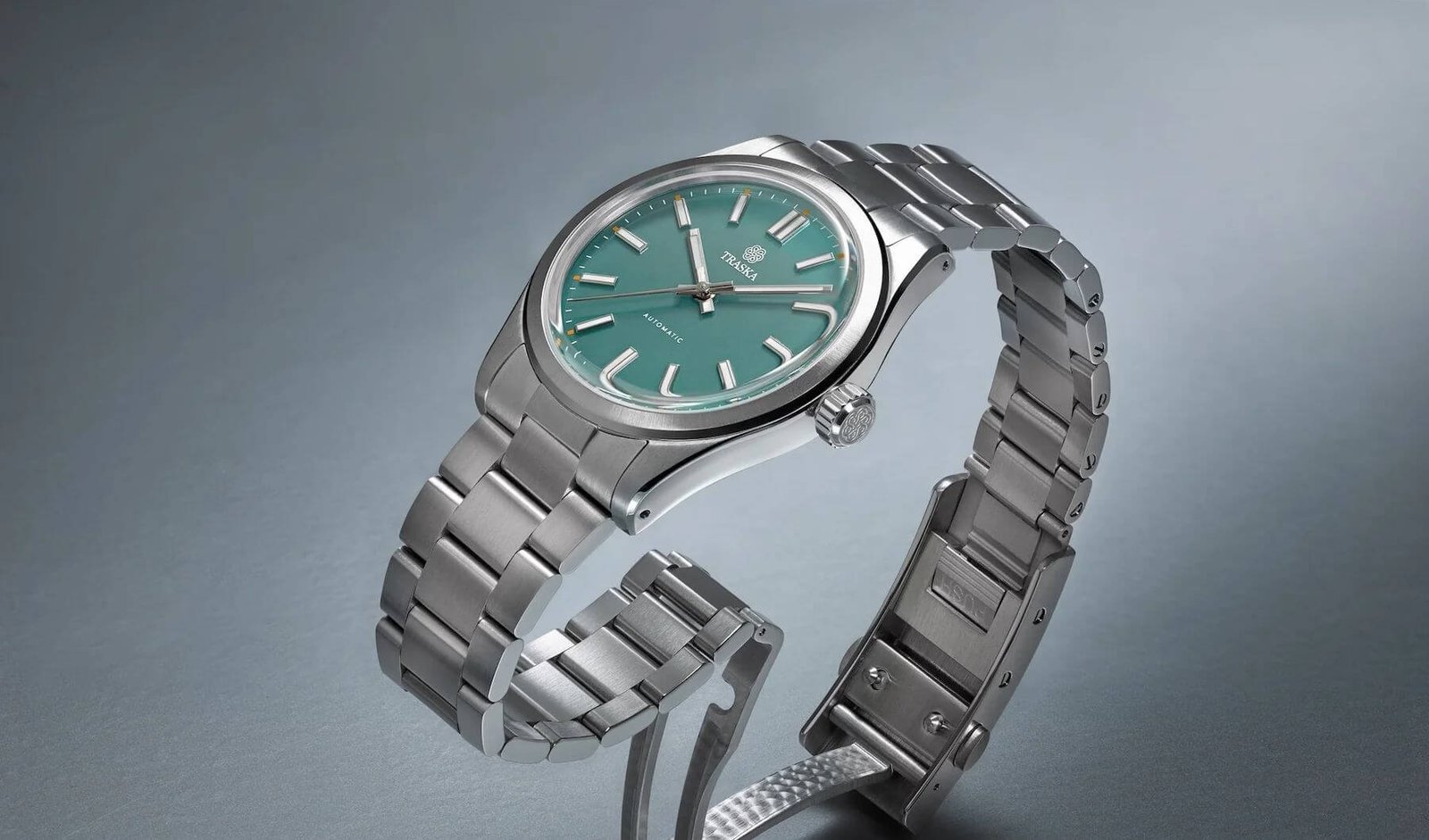
The Traska’s case is much simpler in design: classic, understated and highly effective. More importantly, it has two advantages of its own. The drilled lugs make strap changes easier, and the case is thinner. At 10.5mm versus 11.6mm for the Beaucroft, the difference may look insignificant on paper, but it is noticeable on the wrist — and that’s a clear advantage for Traska.
One round each: it’s a draw!
Round 3: The Dial
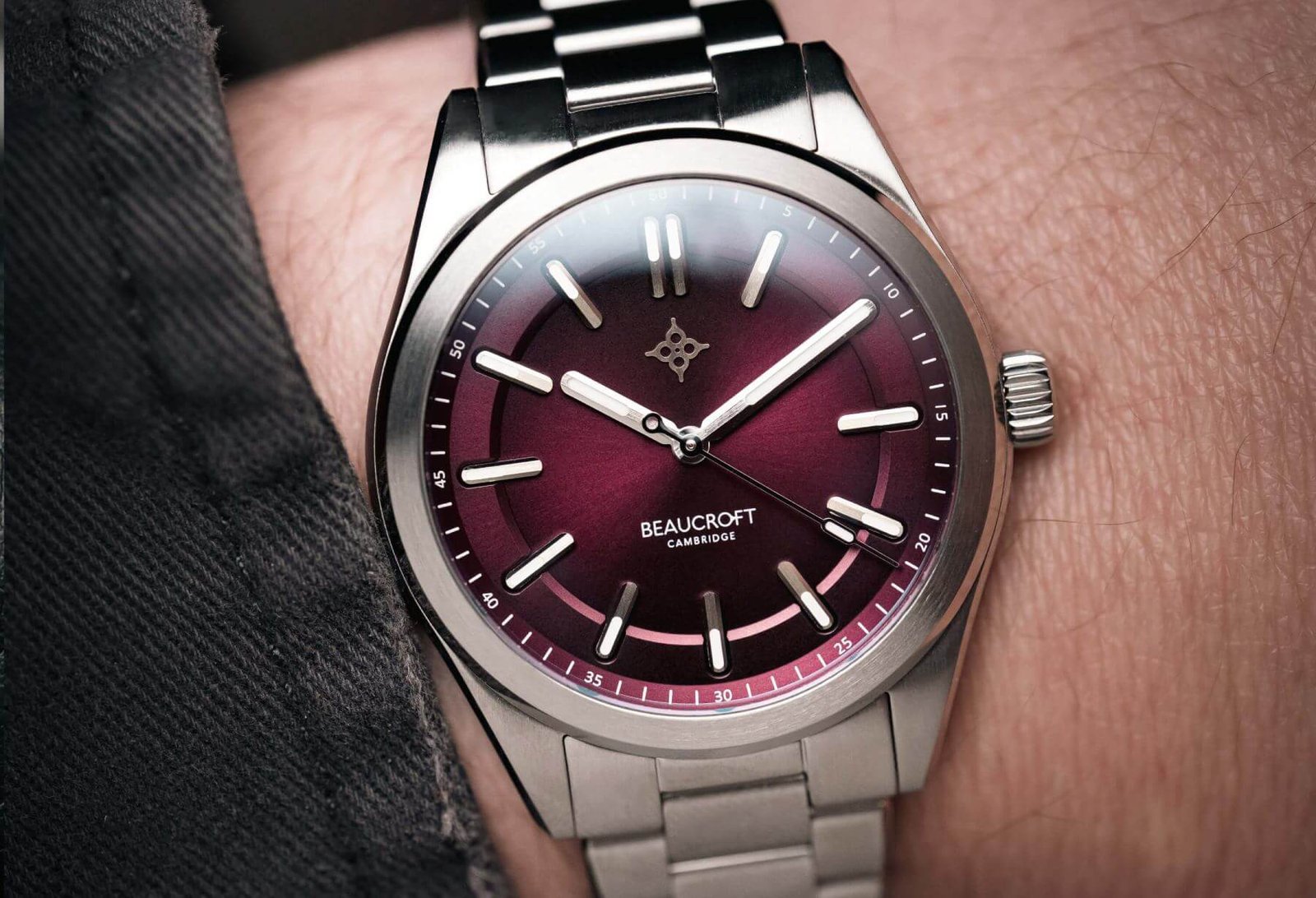
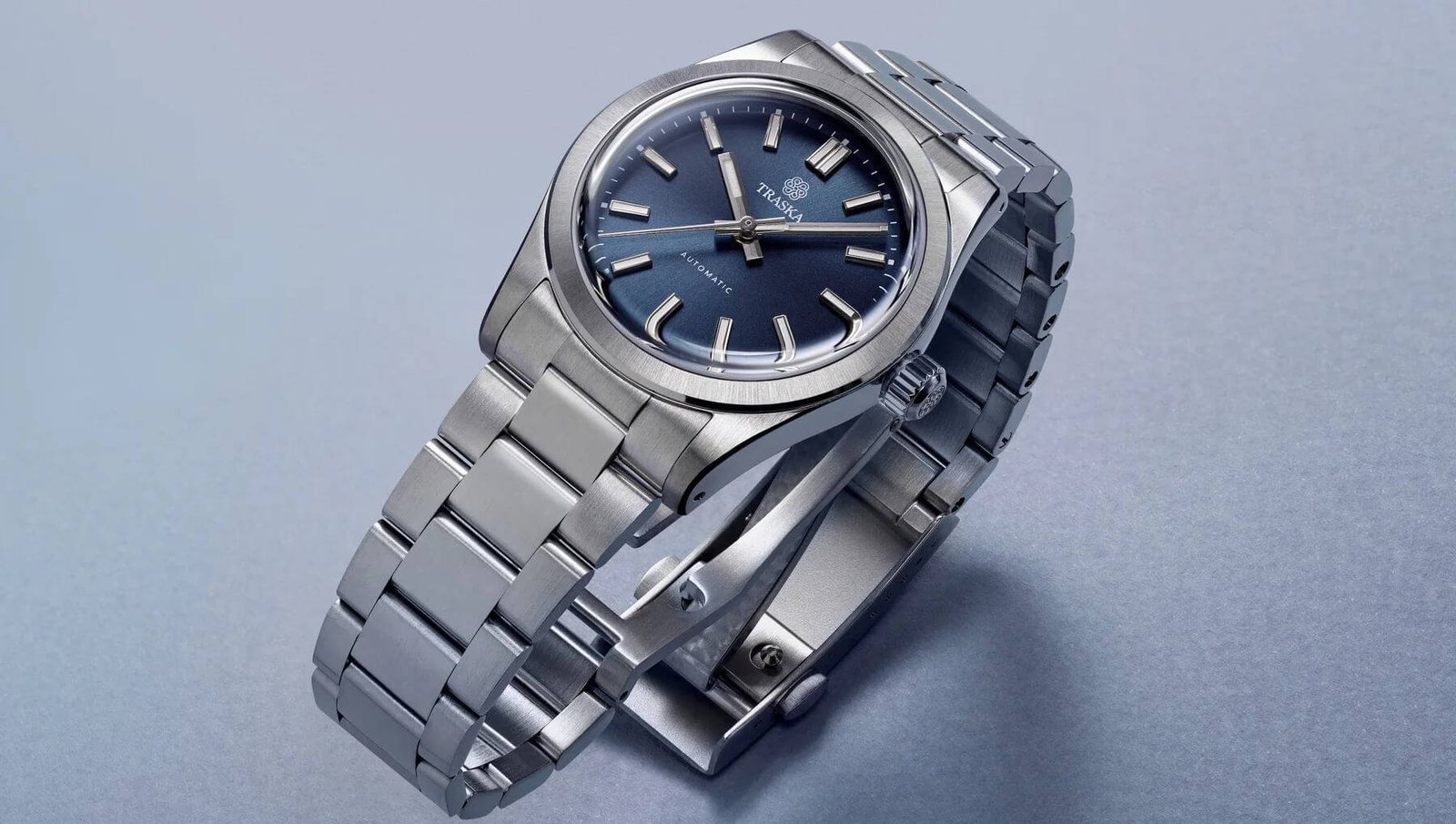
Now we’re getting into the most subjective part of the comparison, because we’re mainly talking about aesthetics rather than functionality. There are still some objective differences worth pointing out, but ultimately, they’re going to come down to personal preference.
That said, I’m still going to pick a winner. That’s the whole point of the game! And I won’t keep you waiting: this round goes decisively to Beaucroft.
Both dials are beautifully balanced, extremely legible and equipped with generous amounts of lume. But that’s where the similarities end.
The Beaucroft has a much more interesting dial — and I would argue it’s the watch’s greatest strength. The colours are beautiful, while the faceted, rounded indices create a striking visual connection with the beautifully designed hands.
But the biggest difference is in the dial’s sense of depth. First, the logo is applied rather than printed, as it is on the Traska. More importantly, the dial isn’t flat. The change in level between the raised outer section, where the indices are partially embedded, and the lower central section creates additional surfaces for the light to play with. It produces concentric reflections that seem to travel from the rehaut towards the centre of the dial.
It’s richer, more dynamic and simply more interesting to look at.
The Traska’s dial is certainly no slouch, either. Its sunburst finish is beautiful and the execution is excellent. But, as you may have noticed, it is almost a copy of a Rolex Oyster Perpetual. Under those circumstances, it’s difficult to give it the edge here — at least for me.
And yes, I know: this is all subjective! but … 2–1: Beaucroft takes the lead.
Round 4: The Bracelet
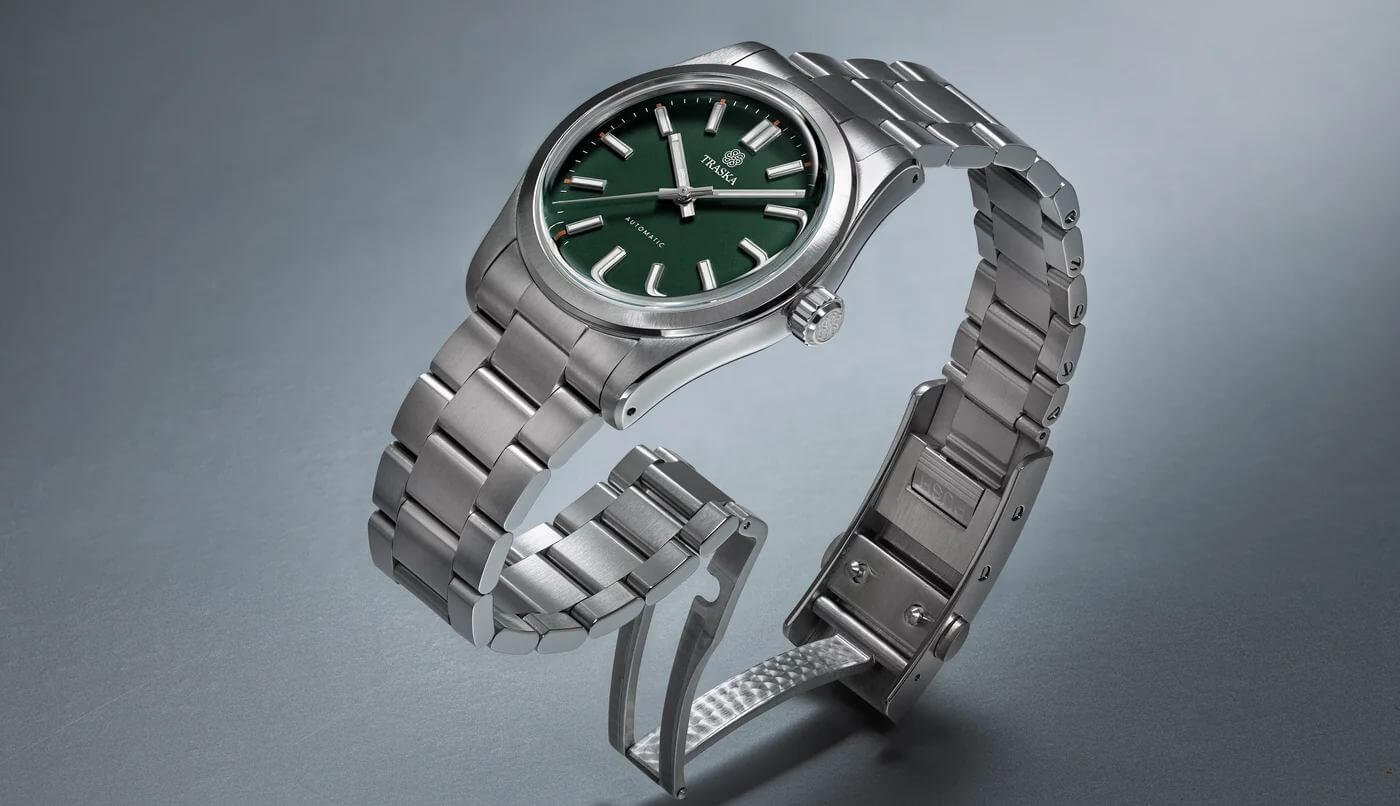
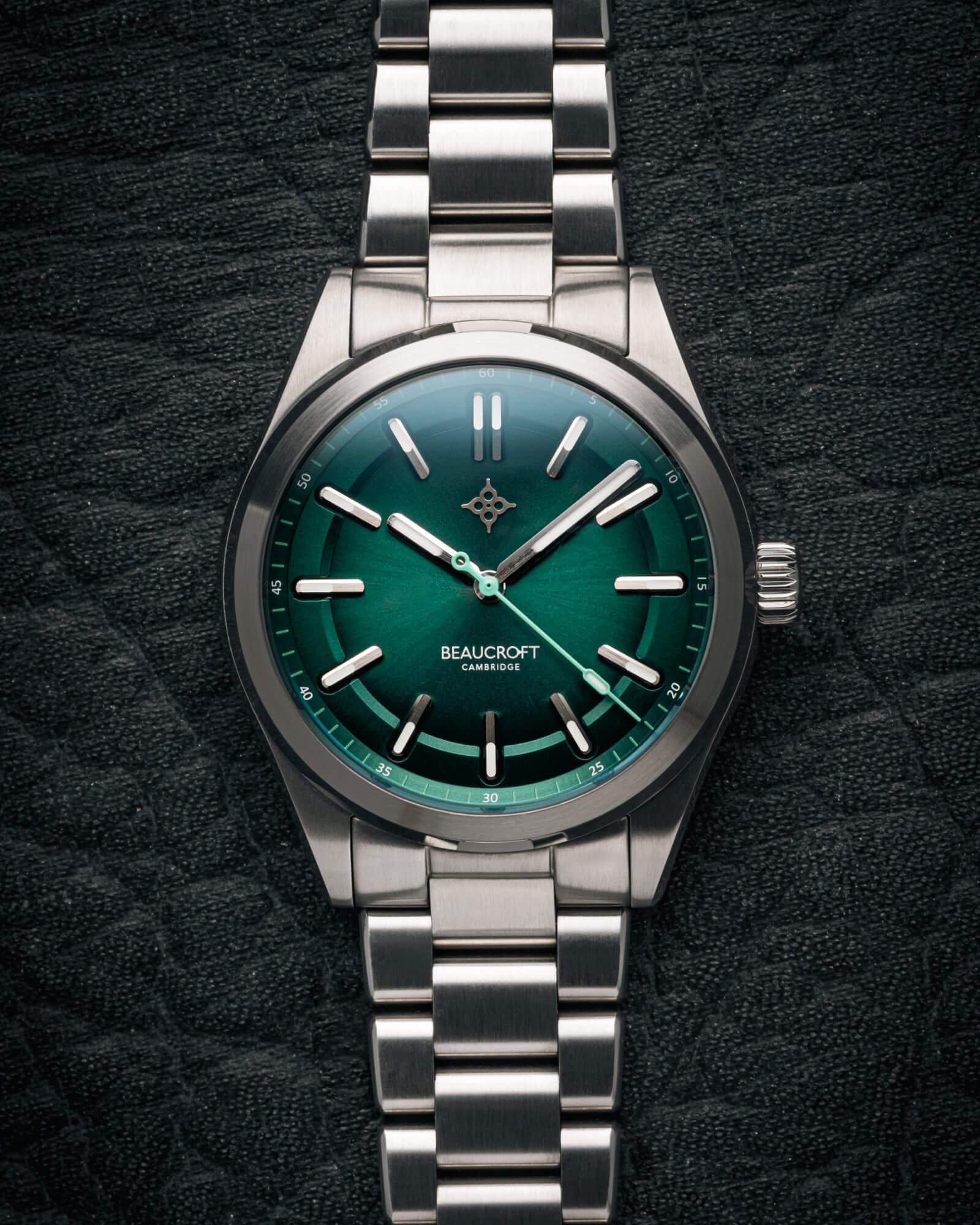
This one is incredibly difficult to call. Once again, it’s more a matter of preference than a difference in quality. And there is plenty of quality to go around.
Both bracelets are downright excellent for the money. Fully articulated and incredibly supple, they are extremely comfortable, and the quick micro-adjustment system is a pleasure to use.
They’re not quite identical, though.
The Beaucroft’s links are more rounded, with chamfered and polished edges, making the bracelet feel softer to the touch and giving it a slightly more elegant character. That said, I personally prefer the flatter links of the Traska and its fully brushed finish.
I also had a minor scare with one of the screws securing a link on the Beaucroft. I thought it was going to get stuck. I eventually managed to sort it out, but that does give Traska a slight — and somewhat more objective — advantage here.
2–2: It’s a draw!
Round 5: Movement
This section is going to be much shorter as both watches use exactly the same automatic movement: the Miyota 9039, Miyota’s no-date automatic calibre from its Premium 9 Series. It’s a classic: reliable, robust and thoroughly proven.
The only difference is regulation, which is a little better on the Beaucroft: -10/+20 seconds per day for the Traska, versus ±10 seconds per day for the Beaucroft.
3–2: A slight advantage to Beaucroft.
Verdict: It’s Complicated!
Separating these two is difficult. Aside from a handful of details, they are remarkably similar, and both are undeniably excellent watches for the money. There isn’t really a right or wrong choice here — just a choice to make.
If I had to pick just one, I’d take the Beaucroft but I wouldn’t hesitate to recommend the Traska either.
To sum it up, I’d say the Traska is slightly more tool-oriented and would feel more at home while I’m exploring caves, whereas the Beaucroft leans a little more towards elegance and would probably be slightly better suited to my cousin’s wedding.
But in 99% of situations, either one would make an excellent GADA.
What If I Don’t Like Either One?
Well, there is certainly no shortage of alternatives. And if you’re still looking for the best GADA watch under €1,000, there are plenty more options to explore here at TimePieceNook.
Alato Arvet if you’re looking for a more unusual everyday watch design.
Clemence Munro is another excellent all-rounder.
Henry Archer makes beautiful watches with some surprisingly distinctive dials.
Nodus if you want something with a more pronounced sporty character.
/watches/heinrich-radiance-silver/Heinrich Radiance if you’d like to lean a little further towards elegance.
And Malm Dalton UTC Automatic 38 if you’re after a classy GMT.
There are a lot more that you can check out here, on TimepieceNook.