So you’ve come across a watch from a microbrand and are considering buying it, but you’ve never heard of microbrand watches before. If you’re wondering what they are and how they differ from traditional brands, let’s take a closer look.
What Is a microbrand and how Is It different?
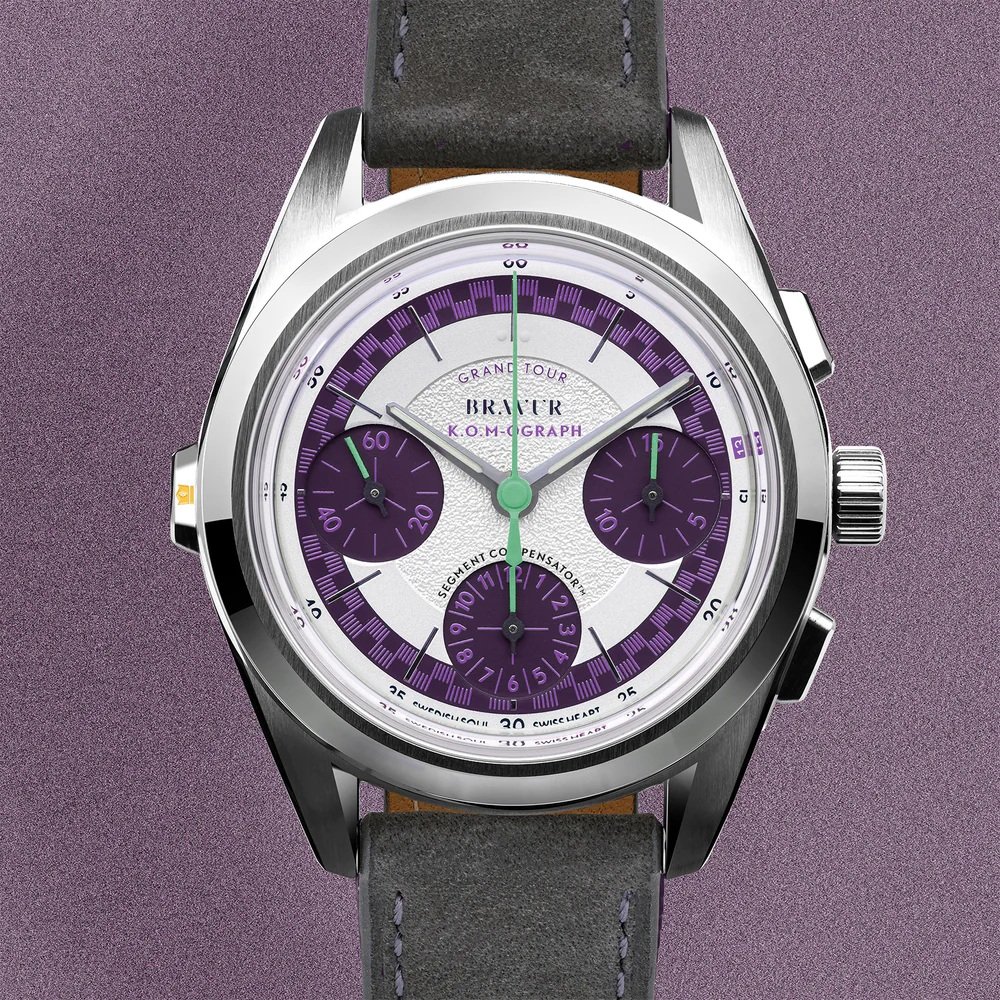
A microbrand is a small watch brand often founded by one person or a small team. Unlike large established brands, microbrands usually don’t own factories or operate global retail networks. Instead, they often outsource many parts of the watchmaking process – such as cases, dials to specialized manufacturers, while the brand focusing on design, specifications, and overall vision. Many microbrands offer distinctive, well-made watches with a more personal and experimental feel, often sold directly to enthusiasts online throuh their website rather than through traditional retail stores.
Bigger brands benefit from established supply chains, widespread service networks, and long-term brand stability. Microbrands, on the other hand, rely heavily on transparency, community engagement and trust. Understanding these differences is essential before deciding to buy your first microbrand watch.
There are plenty of reasons for watch buyers to buy a microbrand watch. A few of them are,
- Getting a well-designed and well made watch at an affordable price. Microbrands typically invest more in the watch itself than large marketing campaigns or storefronts.
- Wearing a watch that not many people have, offering a sense of individuality and exclusivity that’s hard to find with mass-market brands.
- Experiencing the joy of discovering something new – whether it’s an unfamiliar brand, a unique design, or a different approach to watchmaking.
- For watch ensusiasts , there’s real satisfaction in supporting small and upcoming brands and helping them succeed.
Buying a microbrand watch can be a rewarding experience, but it also requires a more thoughtful approach than buying from a mainstream brand. The following considerations can help reduce uncertainty and improve long-term satisfaction if you are a first time buyer.
Things to Consider Before Buying Your First Microbrand Watch
1. Brand History and Transparency
One of the first things to check is the brand itself. Check on their website for details such as where they are based, how long the brand exists and why did they start the brand etc… A brand does not need decades of history to be trustworthy, but it should provide clear information about its origins, design philosophy and previous releases etc… Brands that openly share their journey, stories and inspiration behind the creation of their watch models tend to recieve more confidence than those that rely purely on marketing language.
Transparency around manufacturing such as where the watch parts are made, where the it is assembled, how the quality checks are performed are often a sign of a trustworthy brand
2. After-Sales Service and Customer Support
After-sales service is one of the most important yet often overlooked aspects of buying a microbrand watch. Large established brands may have dedicated service centers, But when you are buying a watch from a microrband you need to pay a bit more attention into understanding how the warranty works and how to get your watch repaired if there is a problem.
Before purchasing, it is worth checking their return policy, warranty , repair policy and how communication works if an issue arises. A well-designed watch can quickly become frustrating if the after sales support from the brand is slow, undefined or is a difficult process.
3. Check for Brand Reputation on Social Media and Community platforms
Social media can provide valuable insight into how a microbrand interacts with its customers. Beyond the brand’s own posts, it is useful to observe how people discuss the brand in independent spaces.
Facebook groups and Reddit communities are particularly active when it comes to microbrand watches. These platforms can reveal real ownership experiences, including delivery timelines, quality issues, and customer support interactions. Consistent feedback across multiple discussions usually paints a more accurate picture than promotional content alone.
Many microbrands actively engage with the watch community and their customers to gather feedback, which they often incorporate into future watch releases. A brand that listens to its audience is always a positive sign.
4. Watch Movement and Reliability
The movement inside a watch plays a crucial role in reliability and long-term serviceability. Many microbrands use well-known movements from established manufacturers, which is generally a positive sign.
Reliable, widely used movements are easier to service and maintain over time, even if the brand itself is no longer active in the future. Understanding the movement choice and ease of servicing in your region helps buyers assess not only performance, but also the practicality of ownership.
Some of the commonly used movements in microbrand watches come from Switzerland such as Sellita and ETA and from Japan, including Miyota and Seiko’s NH-series movements . Watches powered by Swiss movements are often regarded as more prestigious and finely finished, but they usually come at a higher price point. Japanese movements, on the other hand, are known for being affordable, robust, and highly reliable, which is why they are widely used in well-made, accessible watches.
5. Design originality
There are hundreds of microbrands in the world today. Many of them have their own design philosophy and create genuinely unique watches, while others take inspiration from existing models and reinterpret them in their own way. However, there are also brands whose sole aim is to make a quick profit by closely copying well-known designs with only minimal changes. Whether or not to buy an homage watch is a personal choice, but if you prefer originality, it’s worth doing some basic research on the brand and model to ensure the design isn’t simply a direct copy of another watch.
6. Check reviews and ownership experiences
When available, reviews can offer useful insight, but they should be read with care. Early reviews or unboxing videos often focus on first impressions and aesthetics rather than long-term wear.
Longer-term ownership feedback tends to be more valuable, especially when it discusses comfort, durability and how the brand responds to problems. Balanced reviews that mention both strengths and weaknesses usually provide the most realistic perspective. Watch reviews and customer feedback can often be found on YouTube, Instagram comments, Facebook groups and online watch communities.
Conclusion
Microbrand watches offer creativity, individuality, and strong value for money, but they also require first time buyers to be more engaged and informed. By considering the brand’s transparency, support, community feedback, reliability and warranty coverage, buyers can approach their first microbrand watch with confidence.
A well-chosen microbrand watch can offer you same level or higher value than a watch from a trdational large brand. With a little bit of research, it can become a meaningful and enjoyable part of any watch collection.