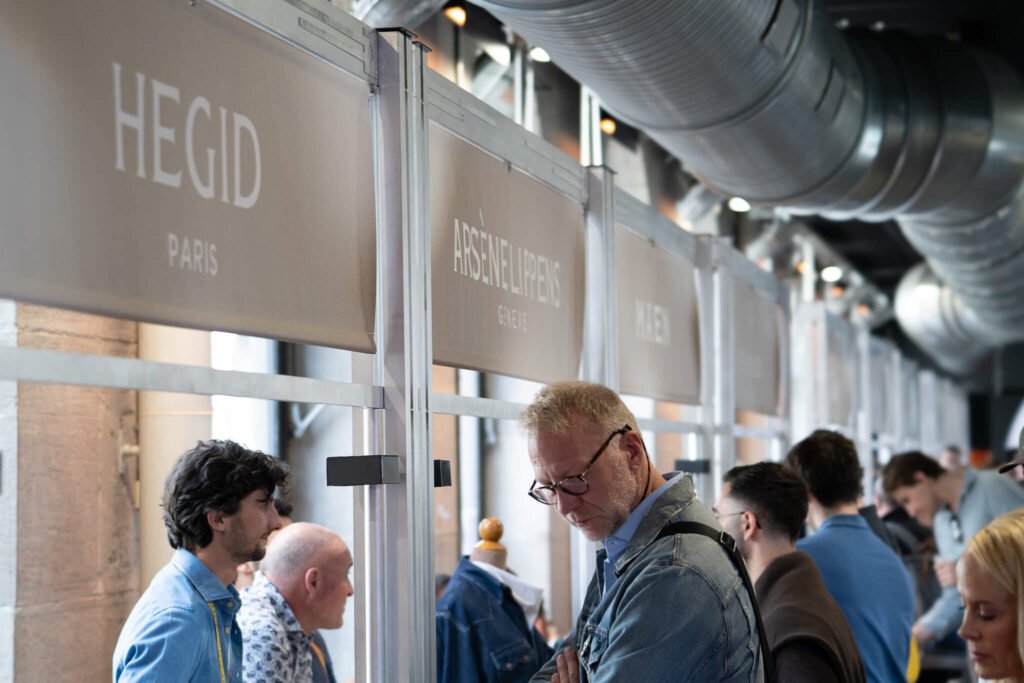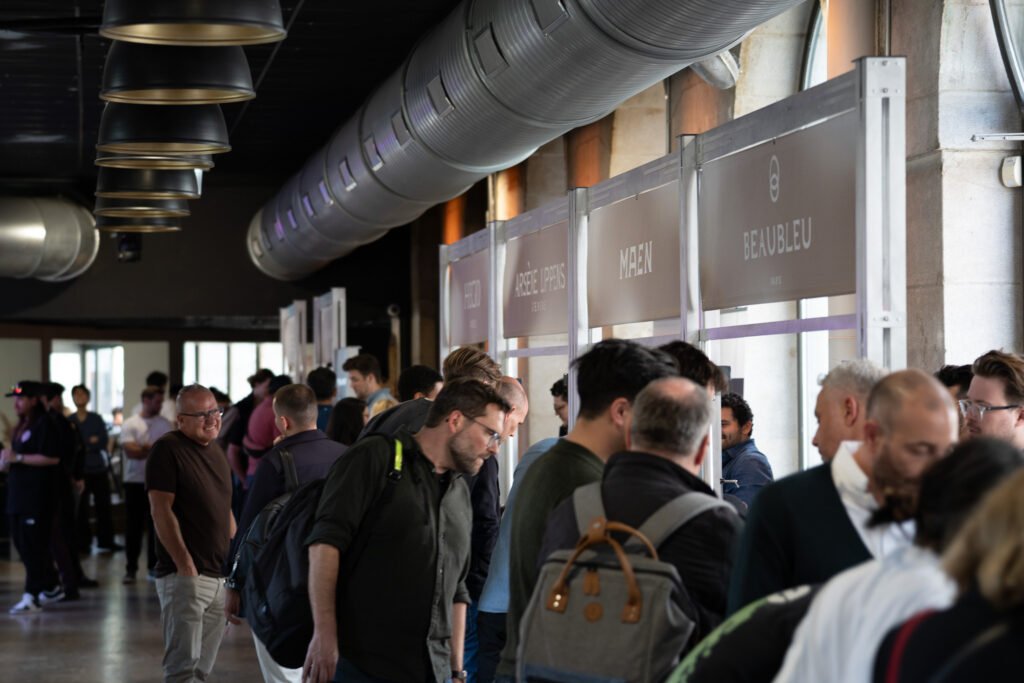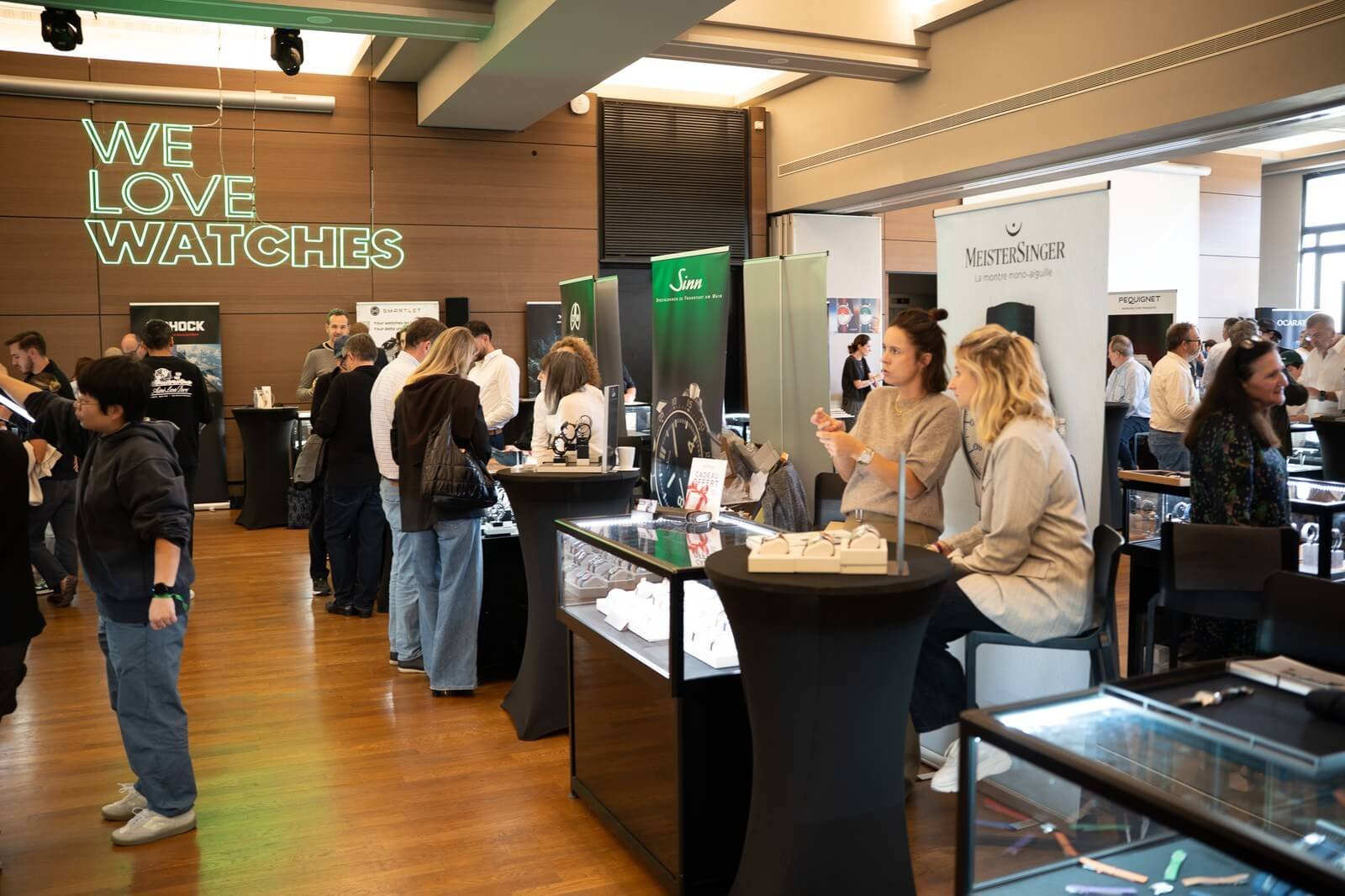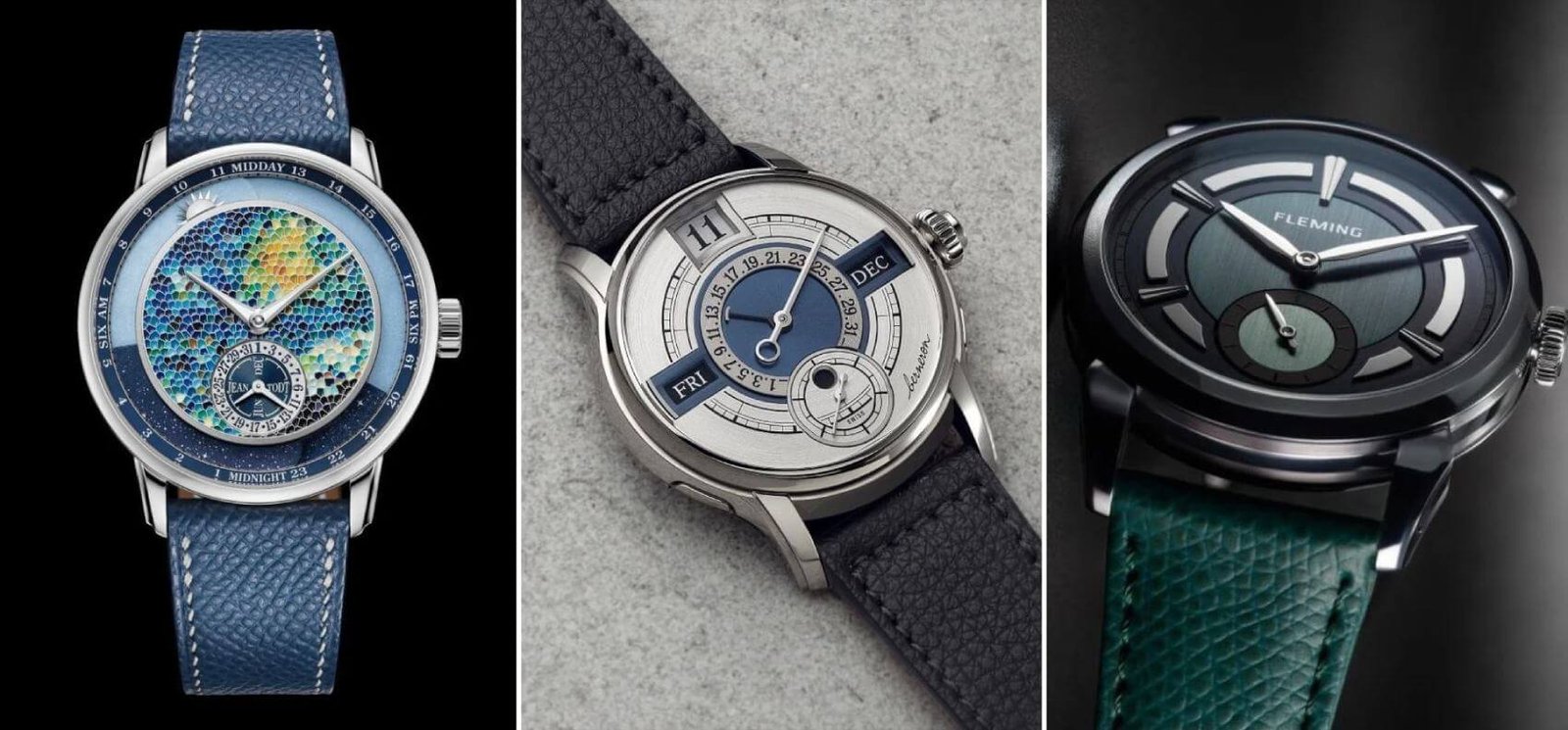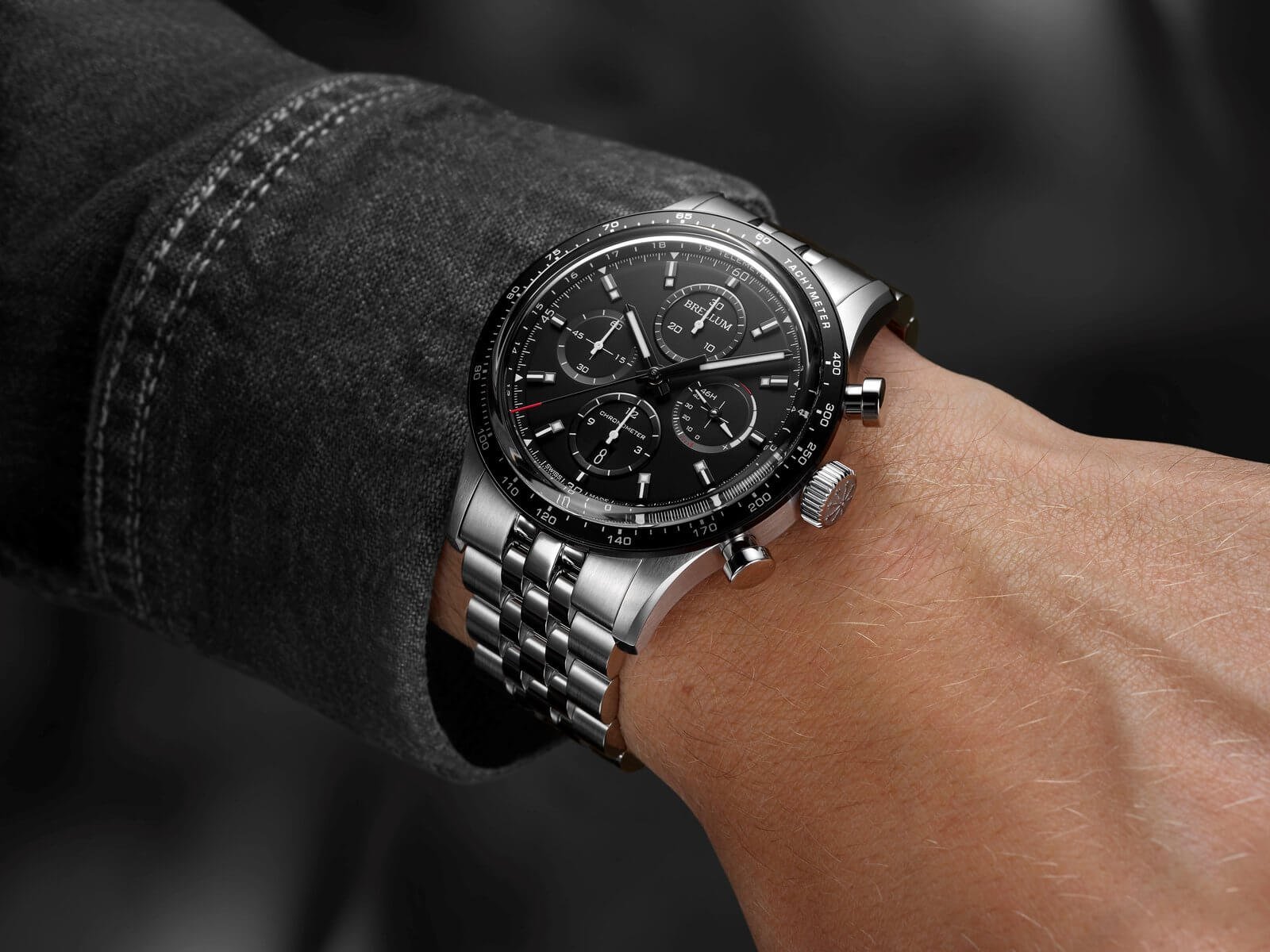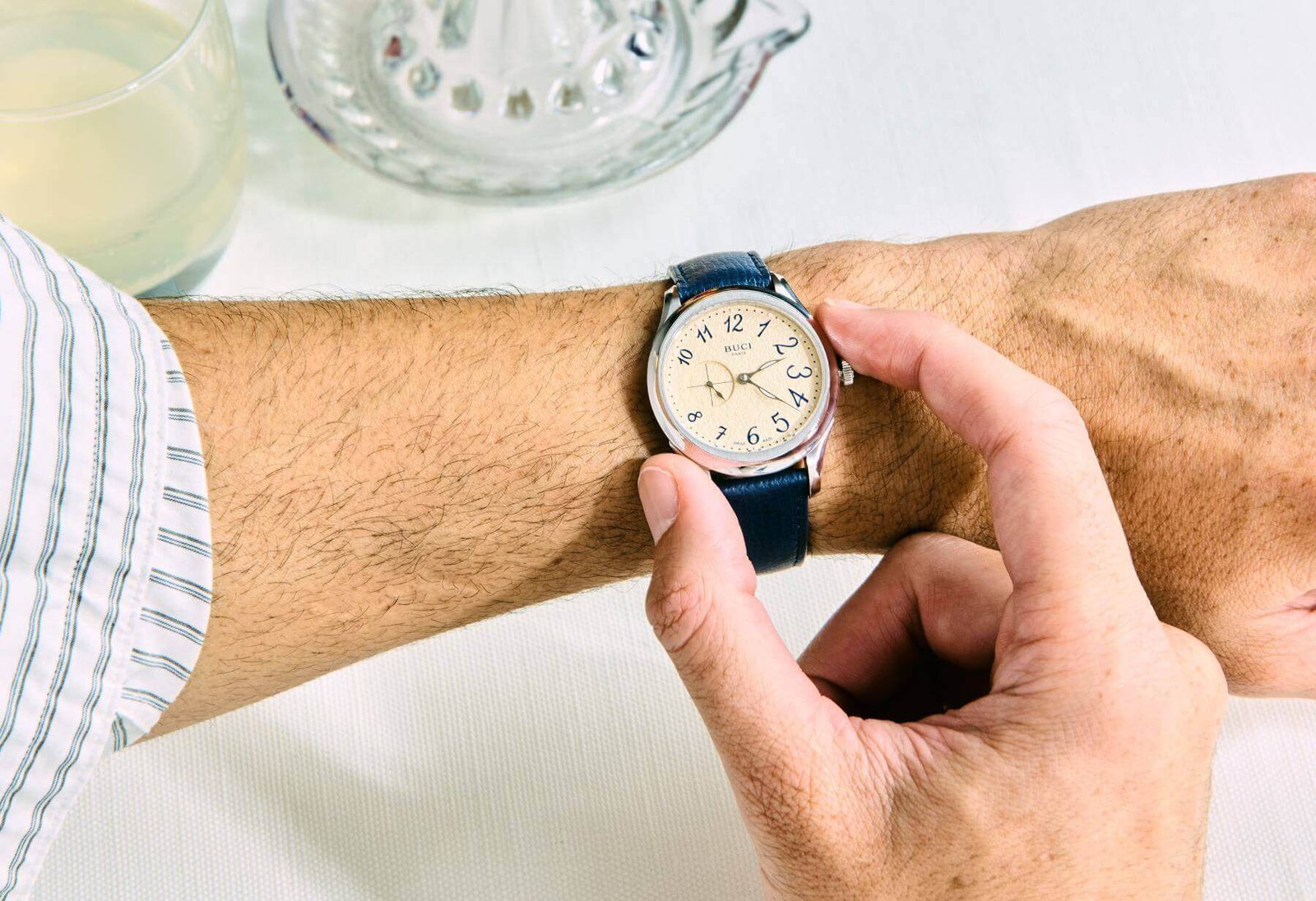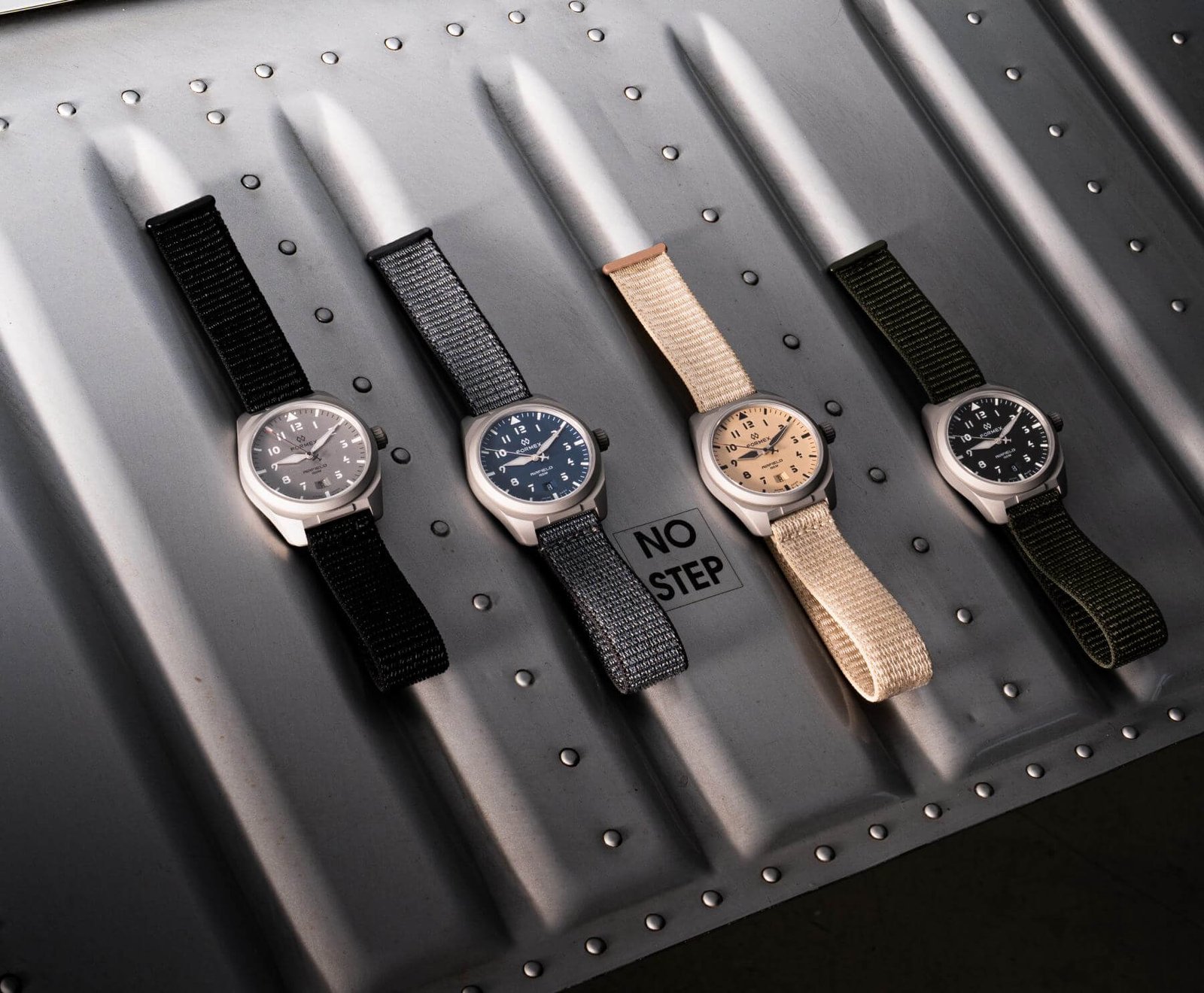
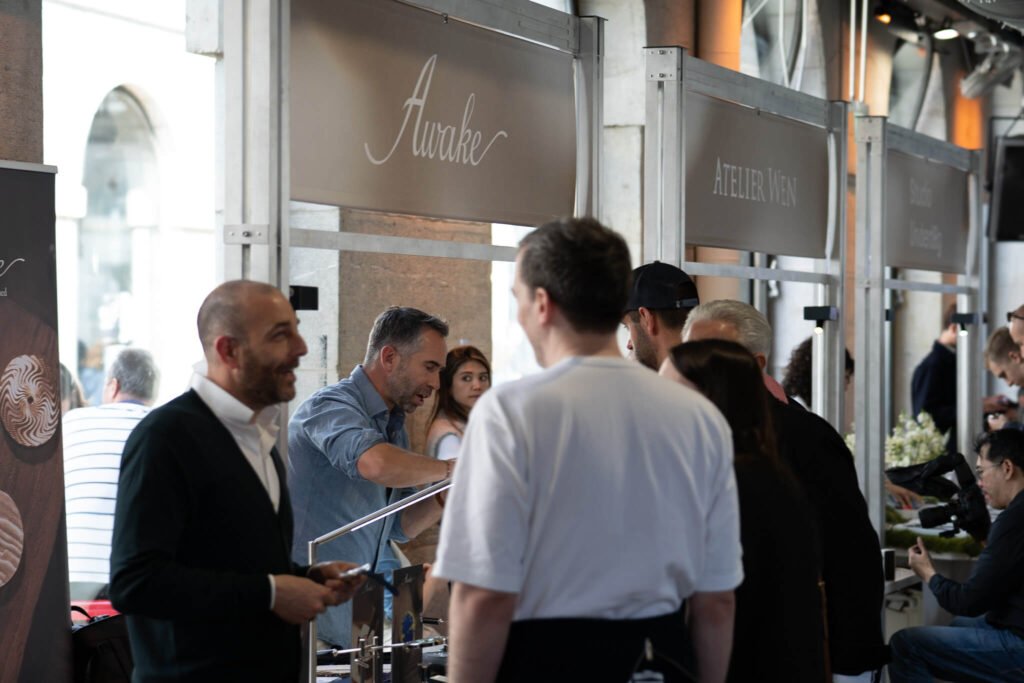
Last week, I attended the inaugural Chronopolis in Geneva – and for a first edition, it made a strong impression. Bringing together around 20 independent watch brands, the event offered something that felt small and intimate compared with the larger-scale industry fairs taking place the same week.
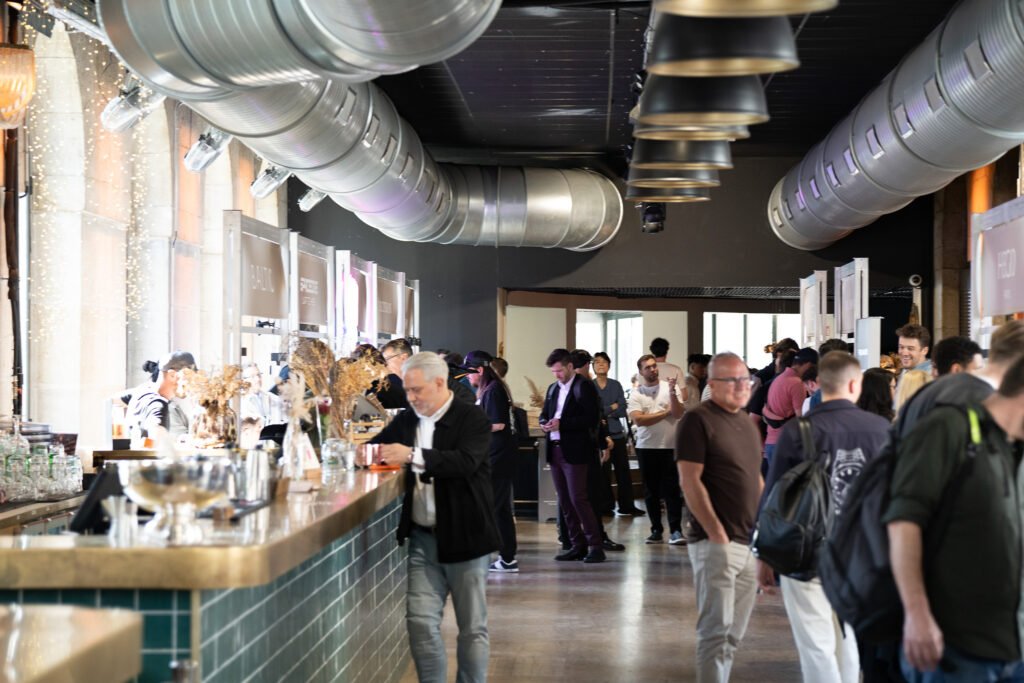
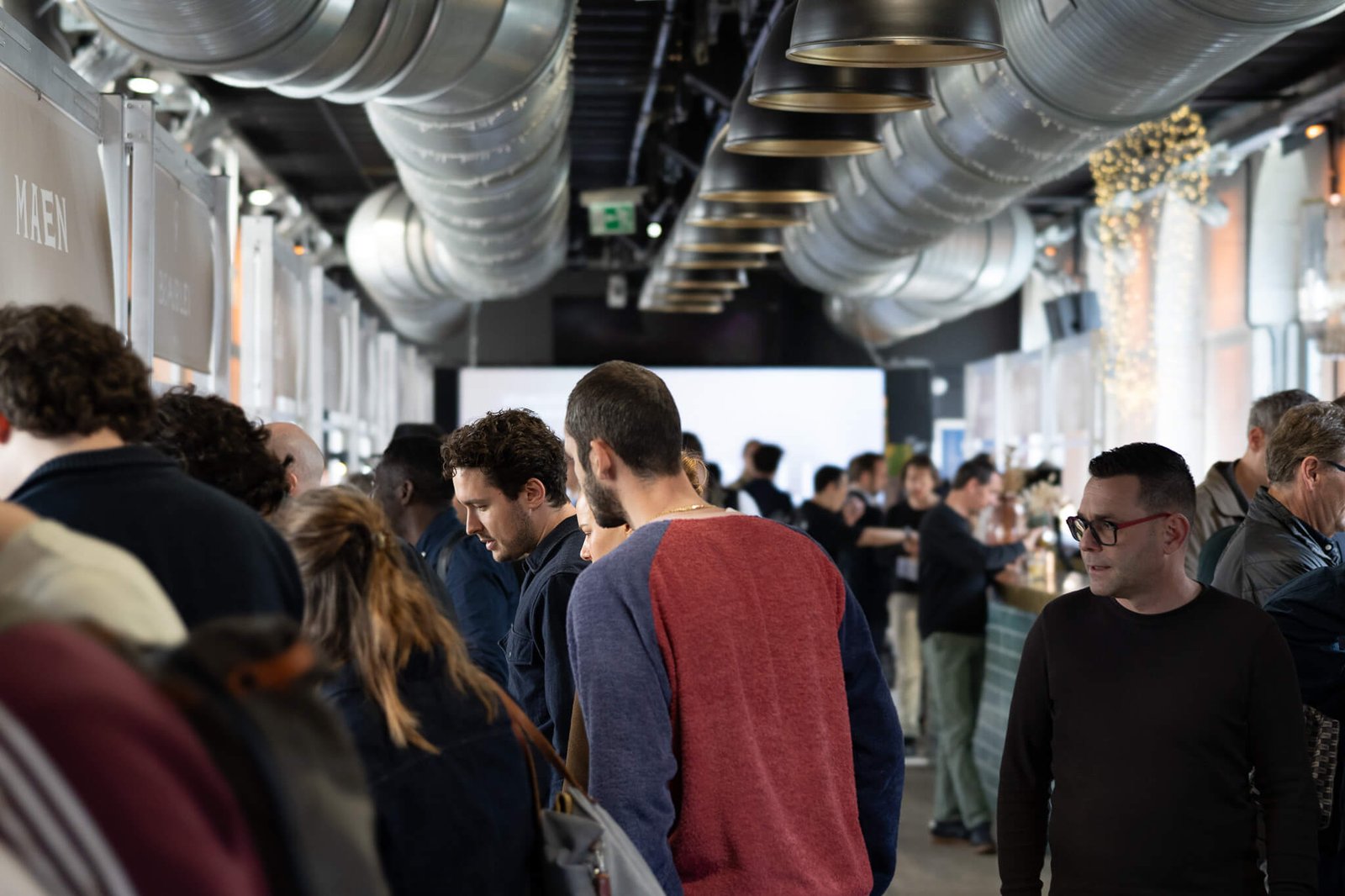
I attended the event on two days (Friday and Saturday 18th & 19th April 2026). Timing played an important role in the atmosphere. Held alongside Time to Watches and Watches and Wonders, Chronopolis benefited from a city already energized by watch enthusiasts, collectors, founders, and industry professionals. Geneva itself felt vibrant last weekend, helped in no small part by the sunny spring weather. Set in the centrally located Halles de l’Île, the venue added greatly to the experience. With cafés, bars and both inside and surrounding the venue, it felt less like a conventional trade fair and more like a social gathering built around a shared appreciation for watchmaking.
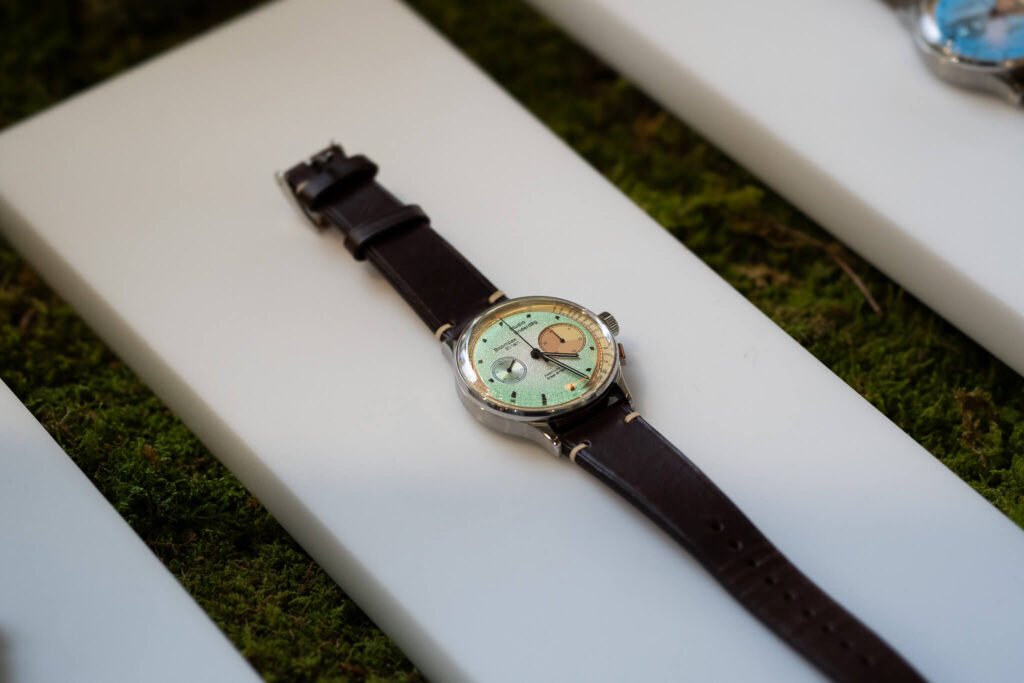
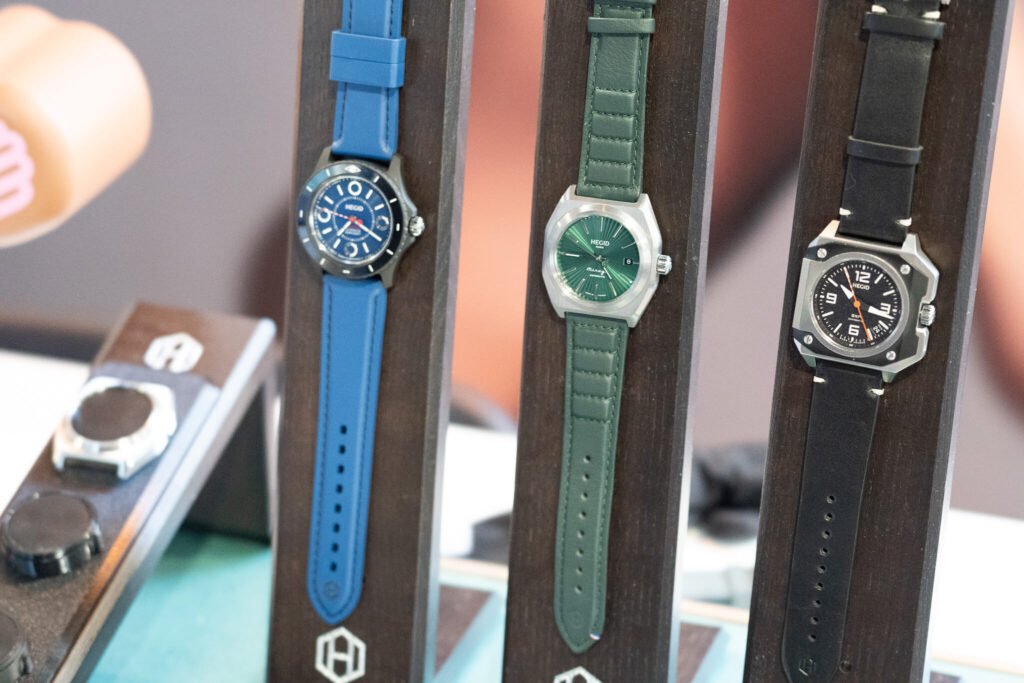
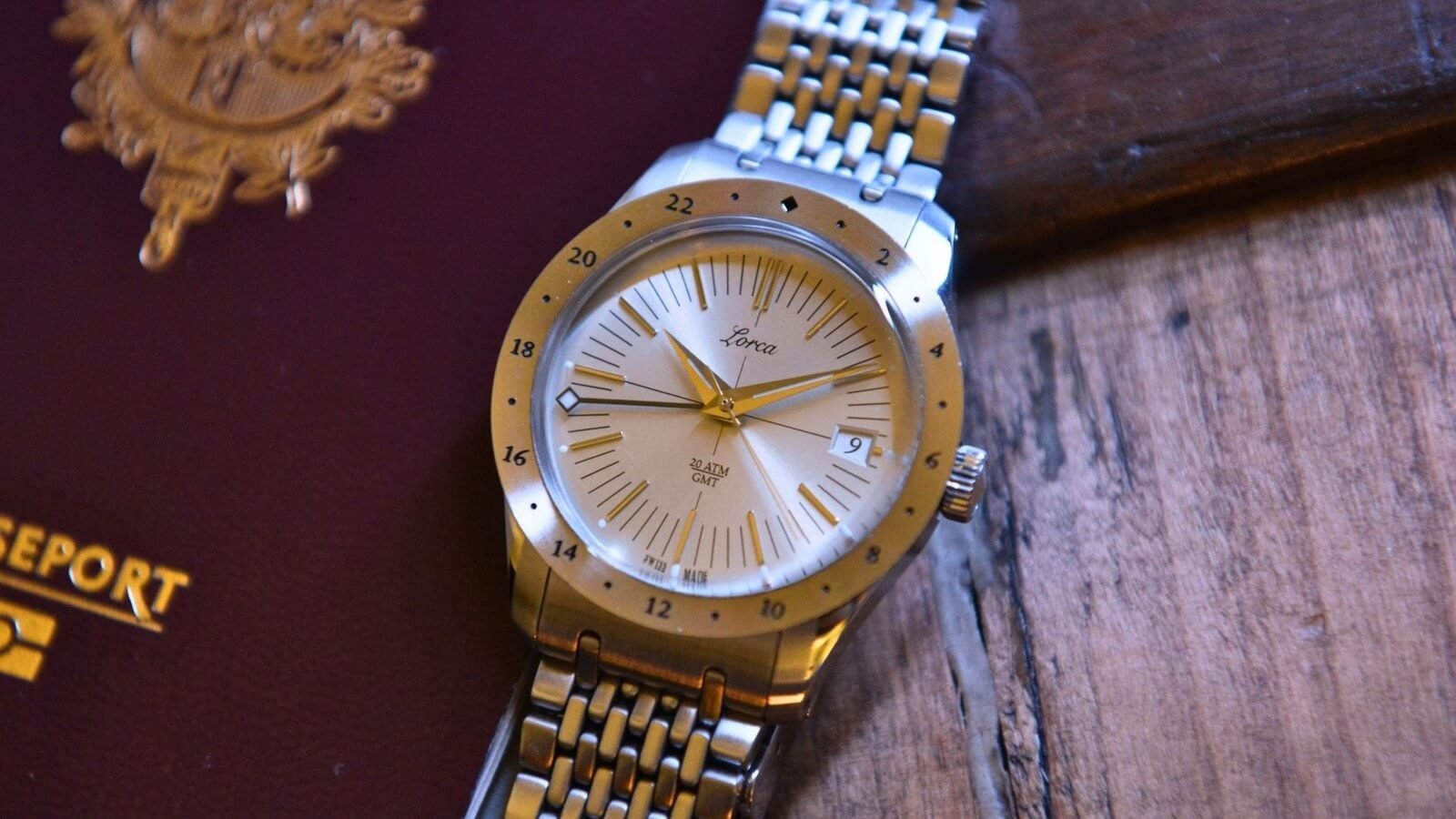
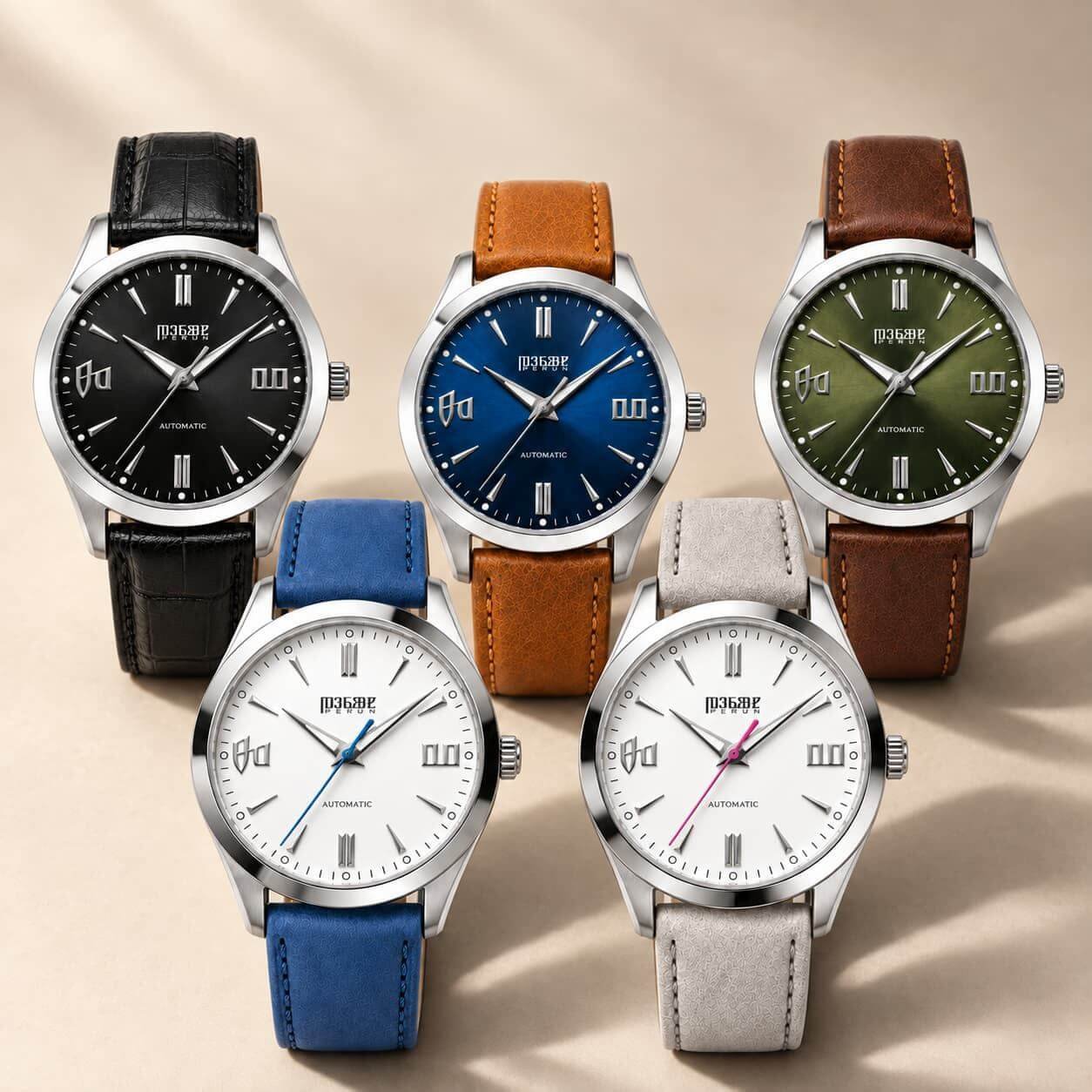
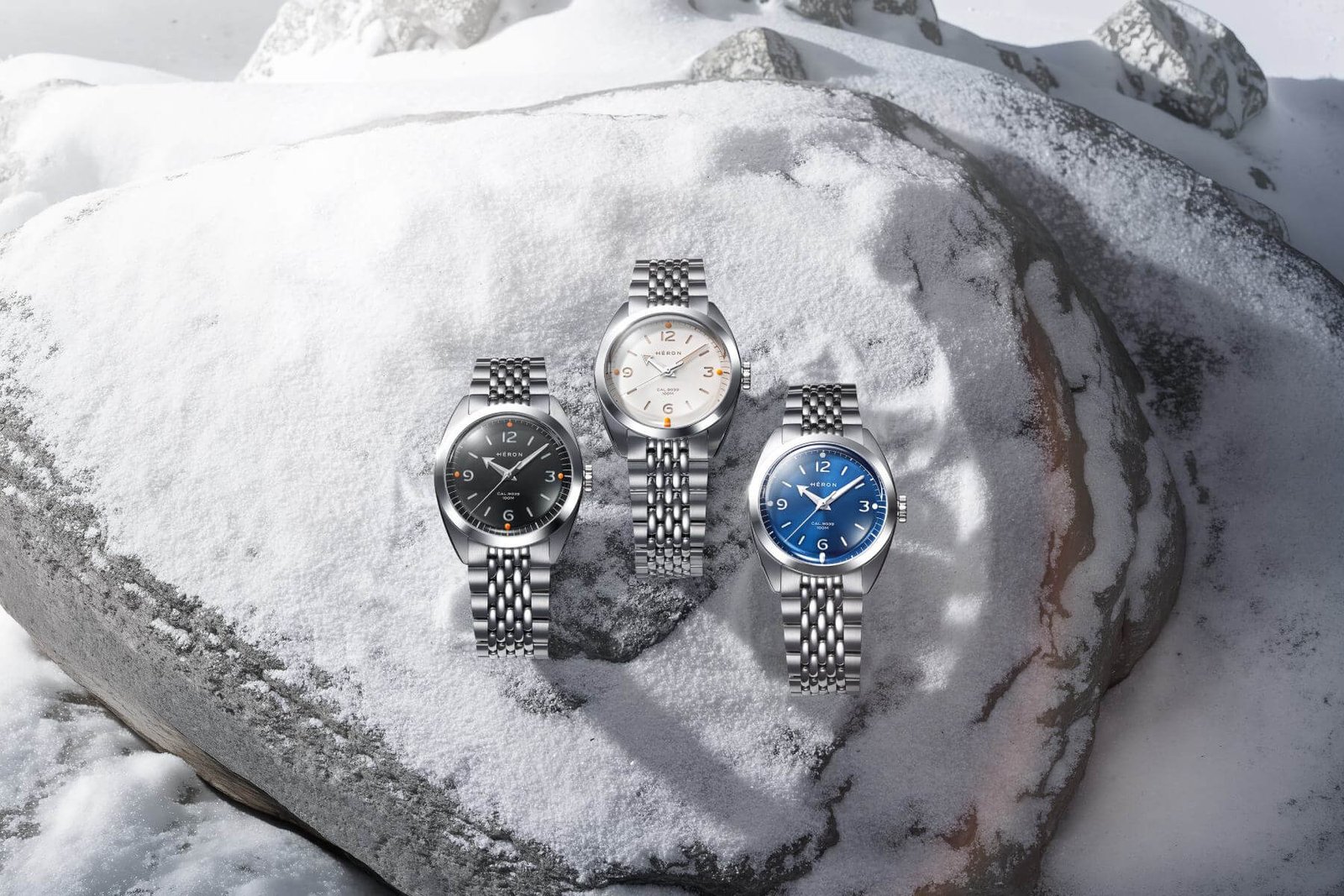
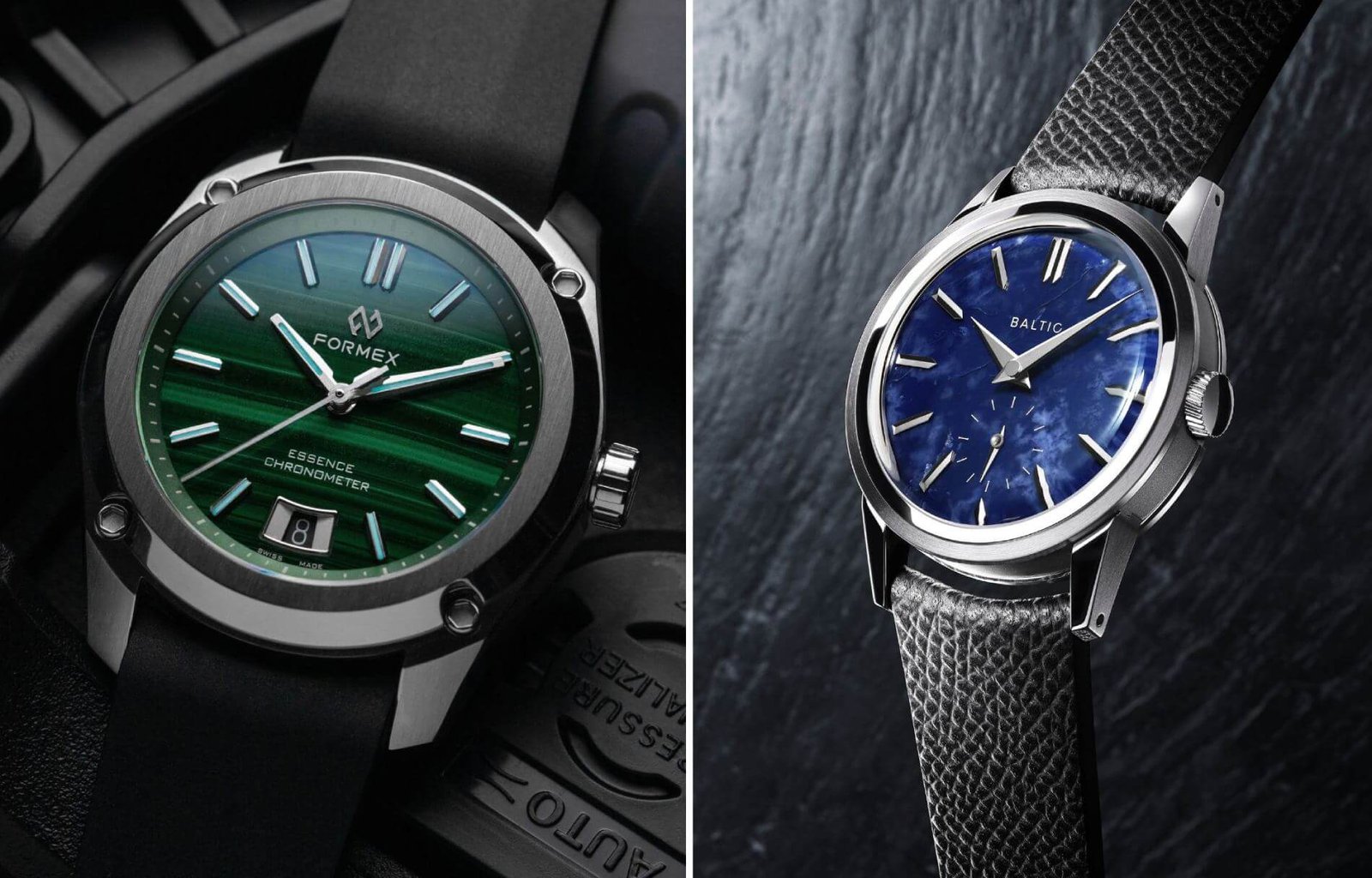
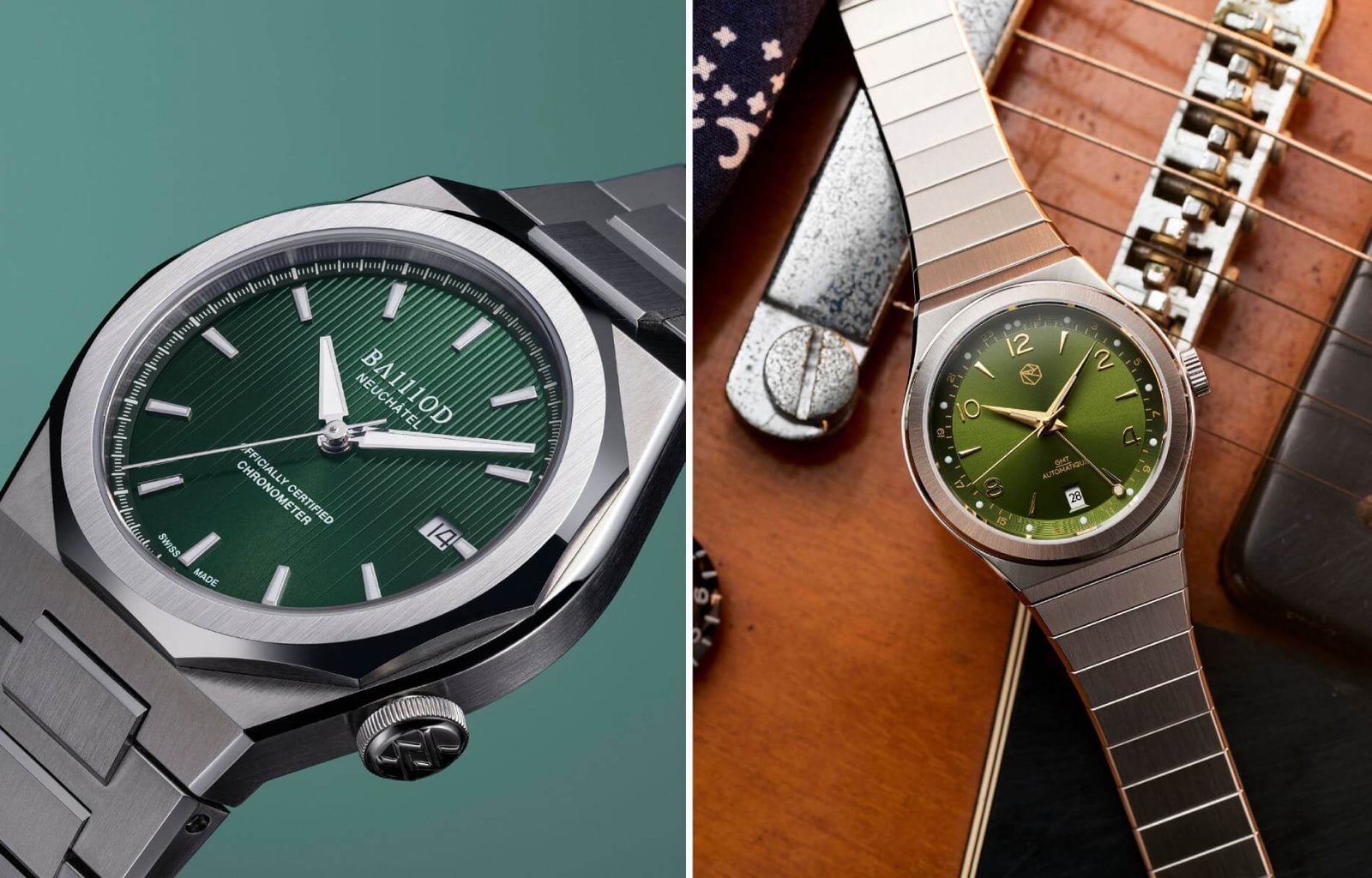
What made the event especially enjoyable was the chance to experience many watches in person that I had previously only seen online. Interestingly, some watches I had admired in photographs did not resonate quite as strongly when I saw them in real, while some other watches exceeded my expectation. That, perhaps, is one of the enduring values of events like Chronopolis – they remind you how much proportion, finishing, texture and presence can only truly be judged in person.
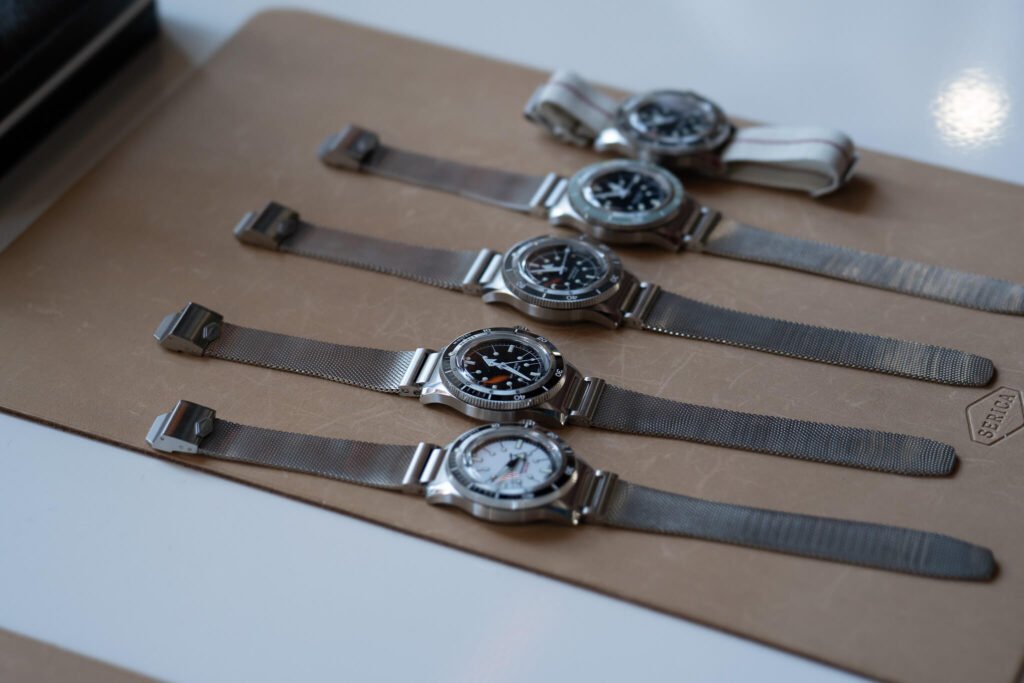
Watches are ultimately a matter of personal taste, and what resonates with one collector may not resonate with another. Among one of the brands that stood out most to me was Serica. I was particularly impressed by the brand’s design language across the collection, build quality as well as the compact proportions. For someone with a smaller wrist, that mattered a lot. My personal highlights included the 6190 collection and the Diving Chronometer.
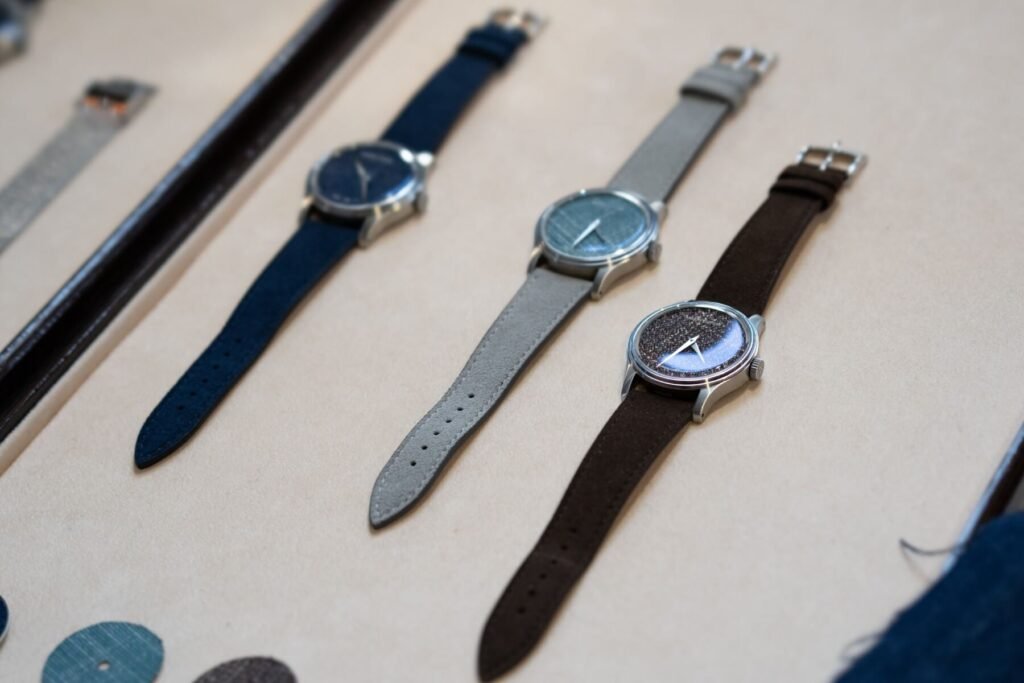
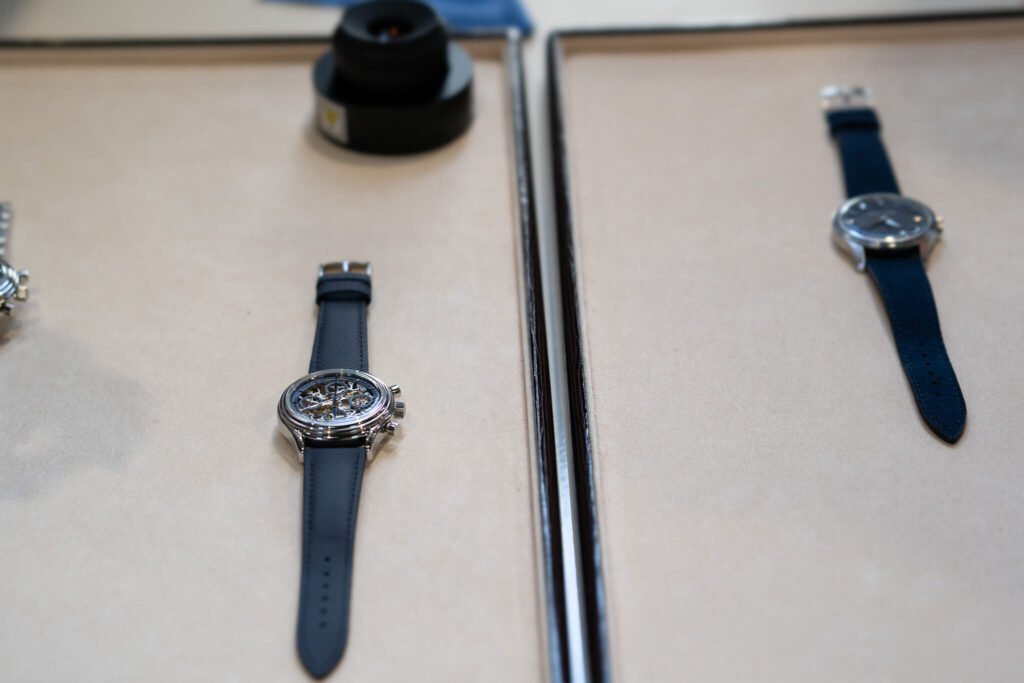
An unexpected discovery for me was Arsène Lippens. I had come across the brand before on Instagram, but seeing the watches in person changed my impression considerably. The Textile Dial Collection stood out for its originality and texture, while the Scheletrato Opaco offered a striking interpretation of the skeletonized chronograph. My personal favourite, however, was the Visionario Chronograph. Its vintage-inspired character, stepped bezel, blue dial and balanced compact proportions made a particularly strong impression. It was one of the watches at the fair I kept returning to look again.
Beyond those two, pieces from Maen, Echo/Neutra and Nivada Grenchen also really caught my attention.
Apart from checking out the watches, what equally important was the atmosphere. The fair was friendly, casual and lively, but was not uncomfortably crowded (at the time of the day I visited). Conversations felt easy, brand founders and representatives were approachable, generous with their time, and appeared to be genuinely interested in speaking with visitors. That accessibility is something not every watch event offers, and it gave Chronopolis a more personal, community-driven feel. I left not only having seen interesting watches, but having made new connections as well.
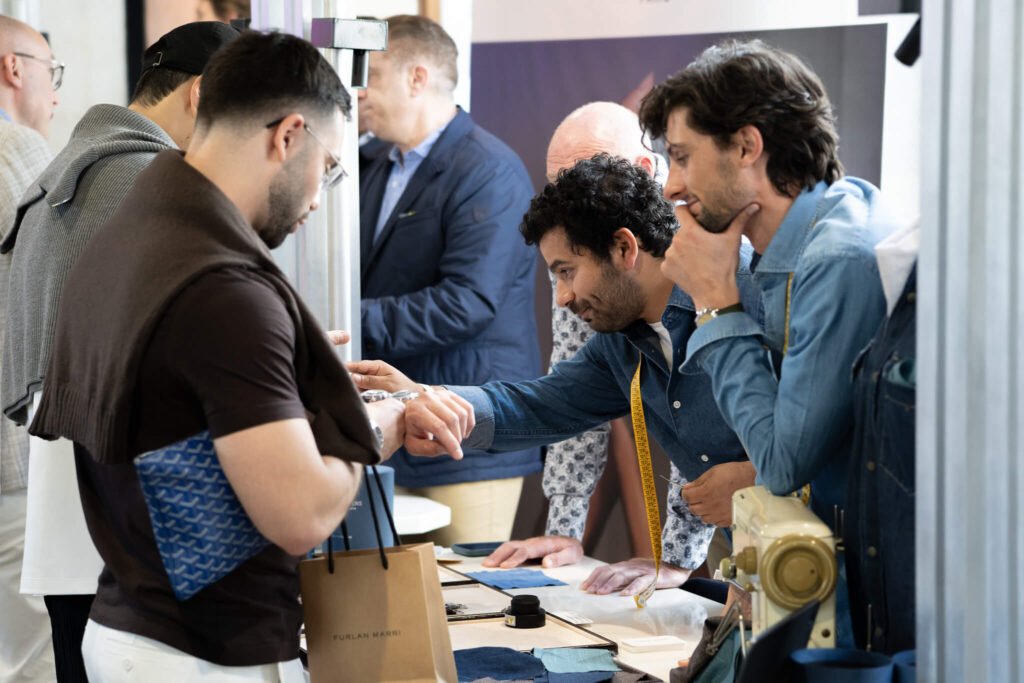
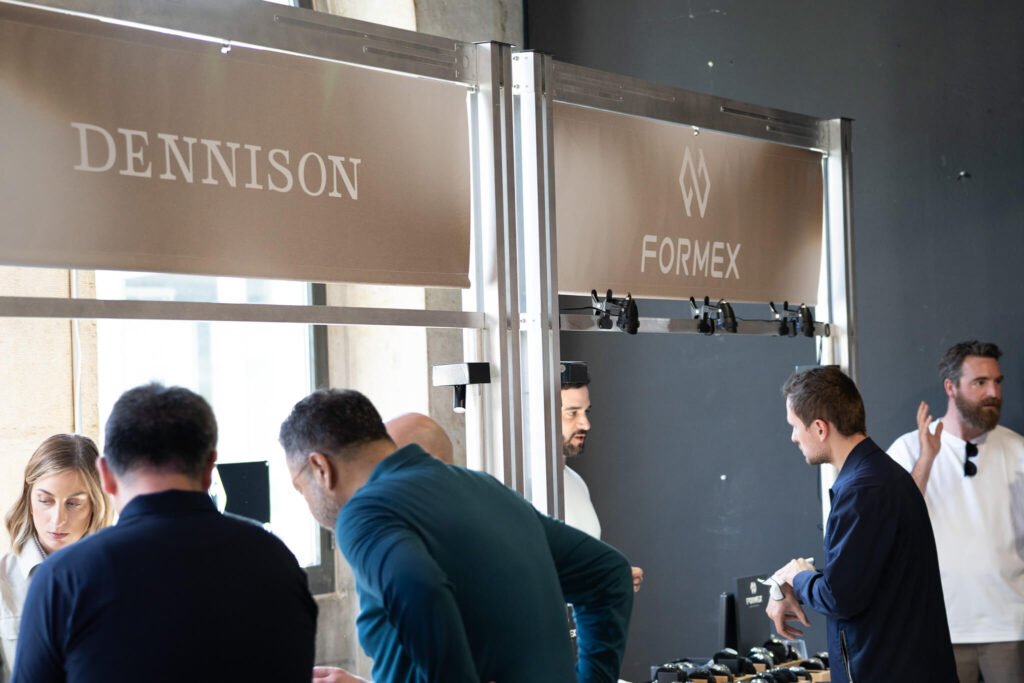
Another noteworthy point: entry was free. In a week where several major events can feel increasingly exclusive, that openness gave Chronopolis an inclusive spirit that suited the independent scene well.
For a first edition, Chronopolis felt like a promising addition to Geneva’s watch week – smaller in scale, perhaps, but rich in personality. It combined watches, people, and place in a way that felt natural rather than overly staged. I left with a very positive impression, and I would gladly return next year if there is a second edition.